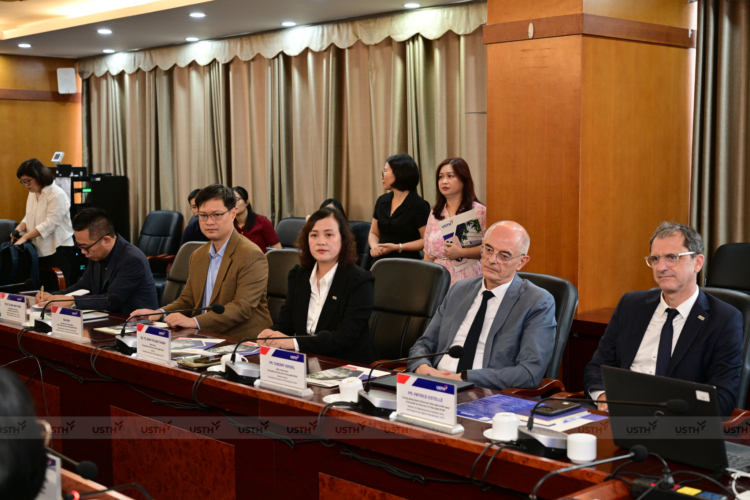
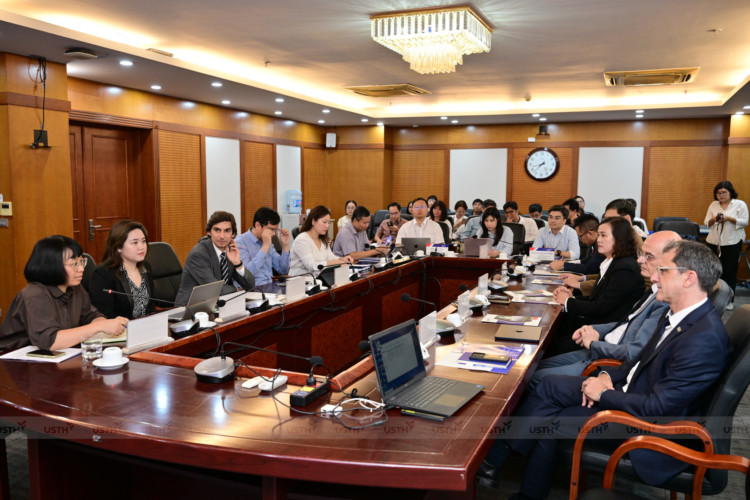
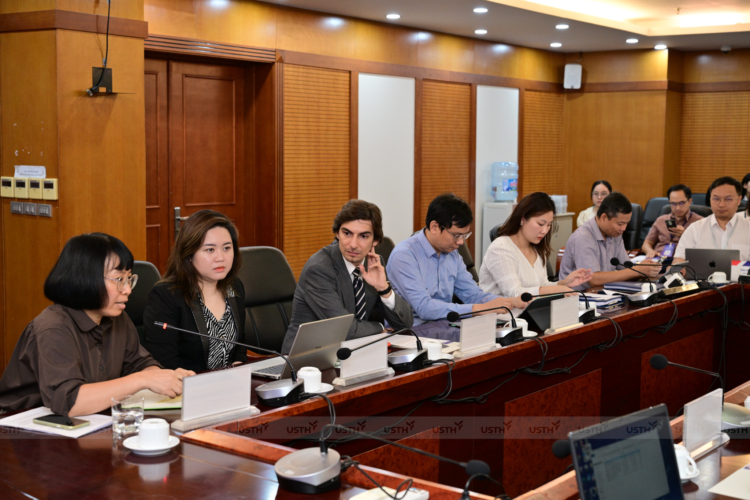
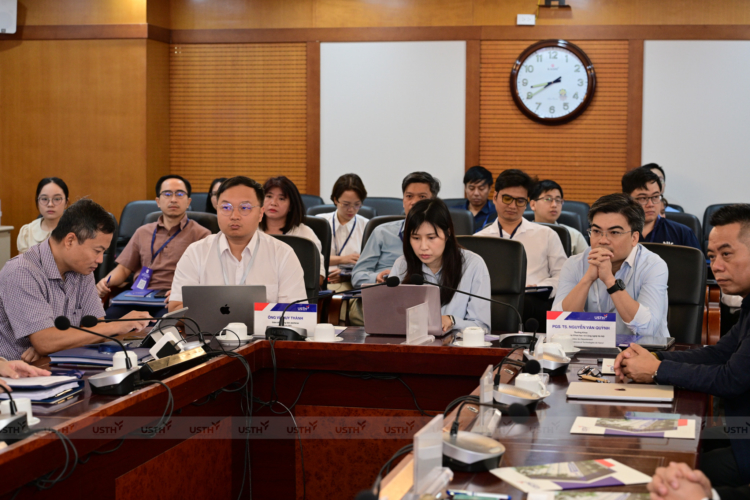
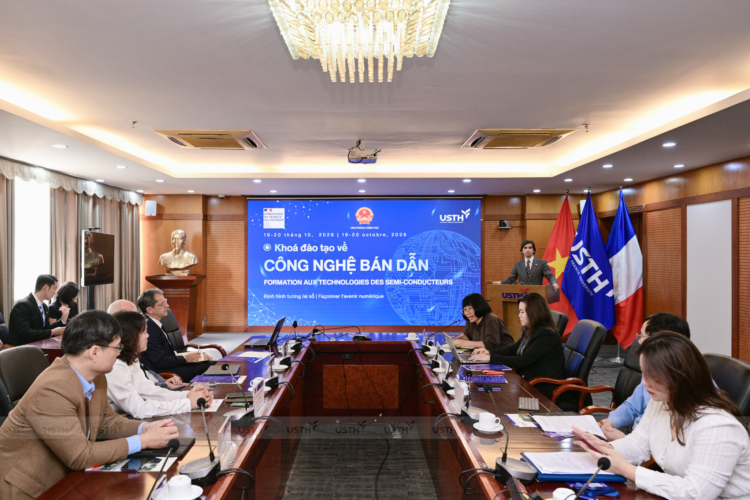
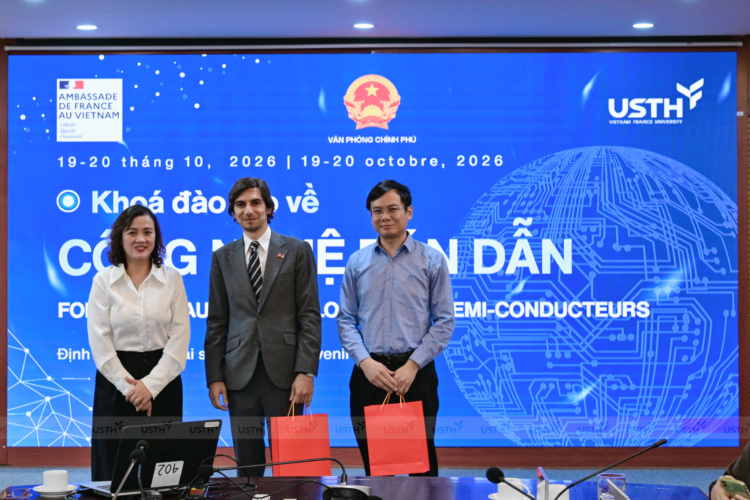
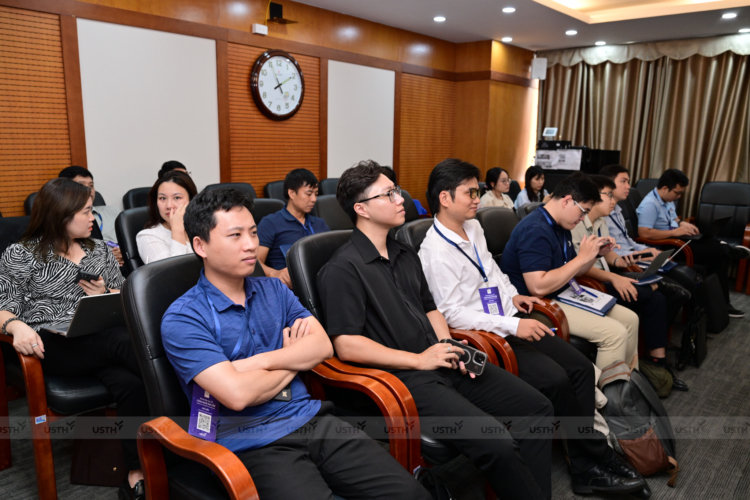
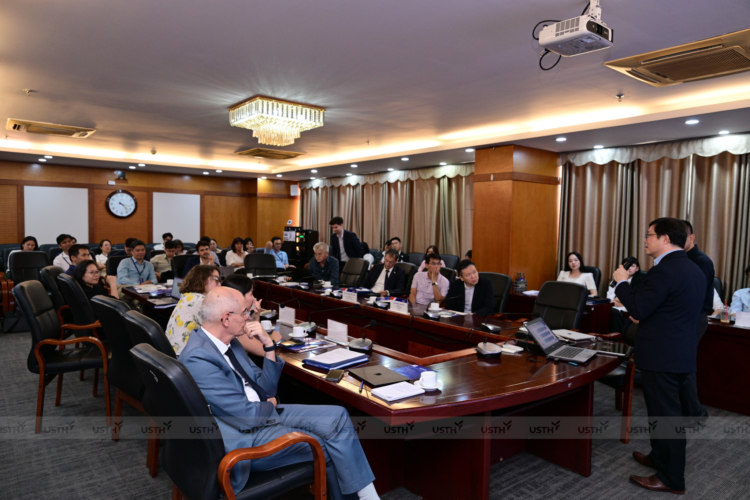
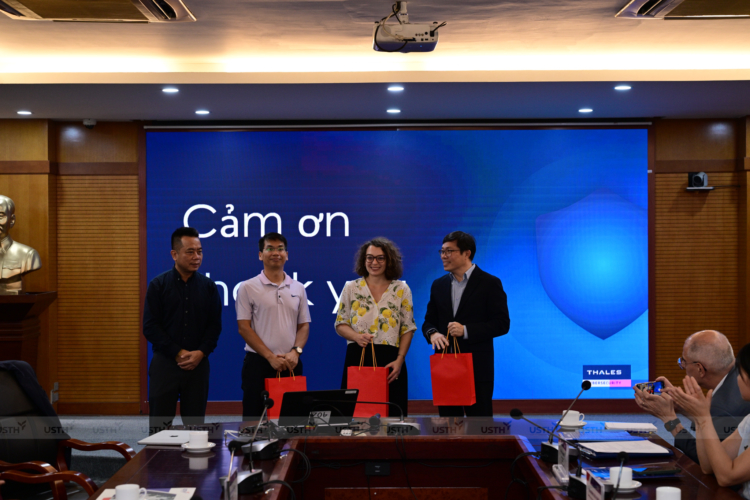
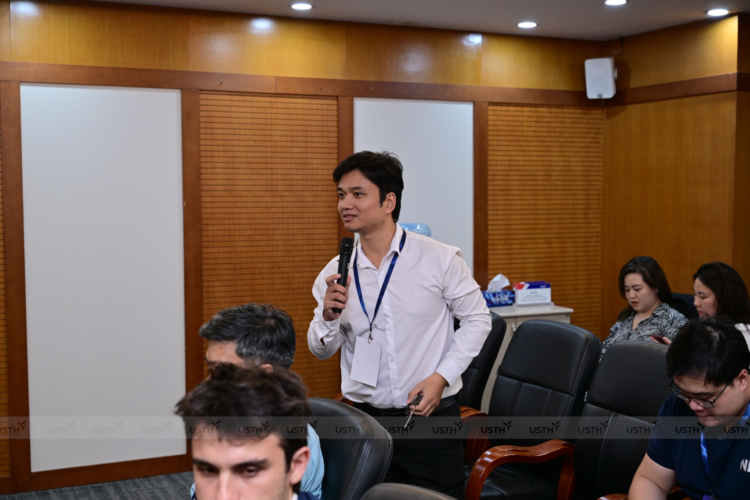
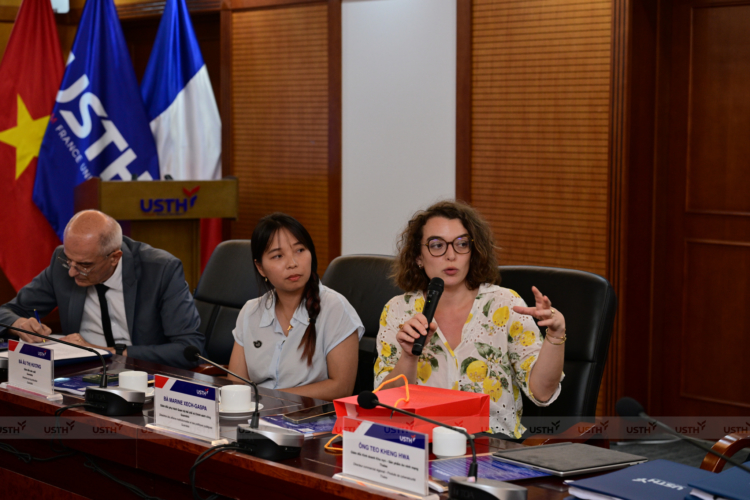
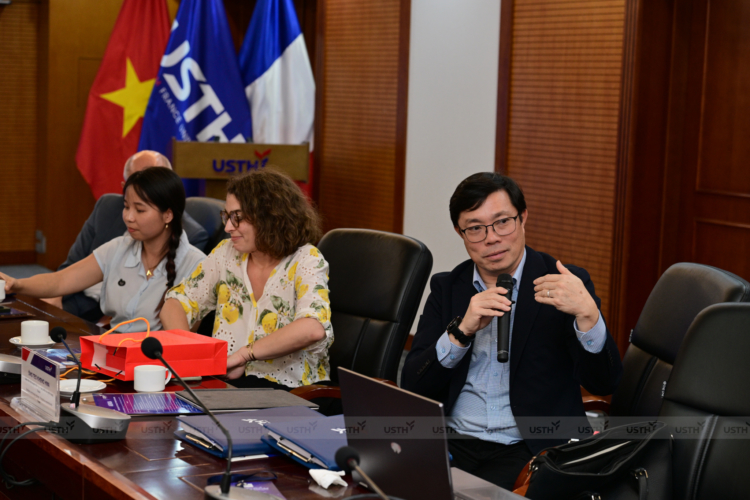
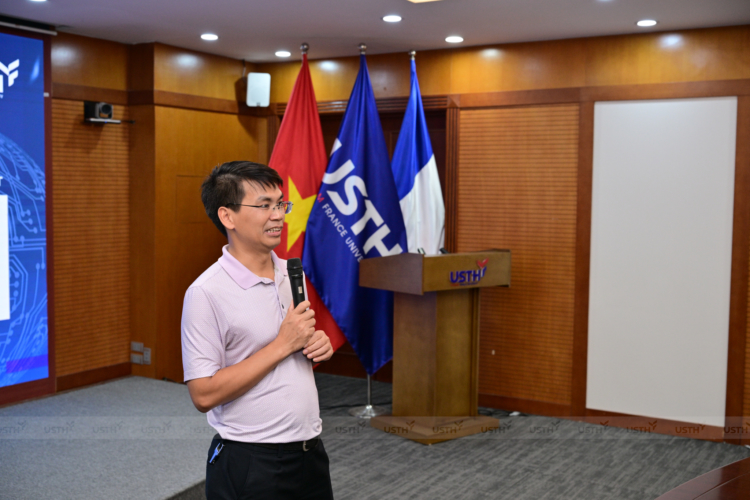
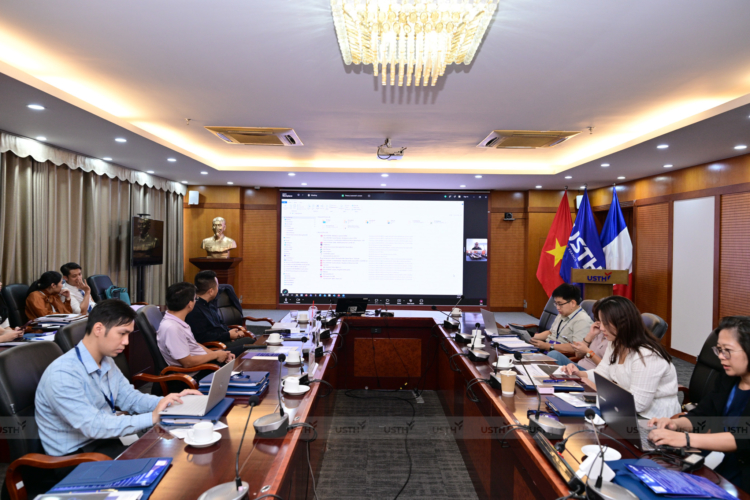
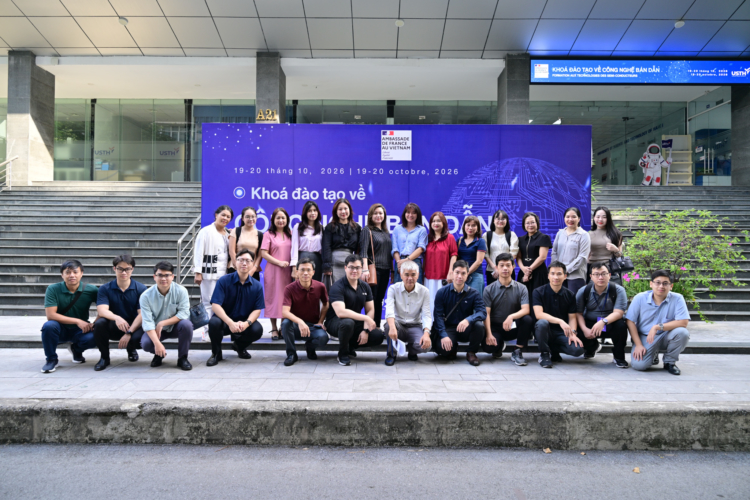
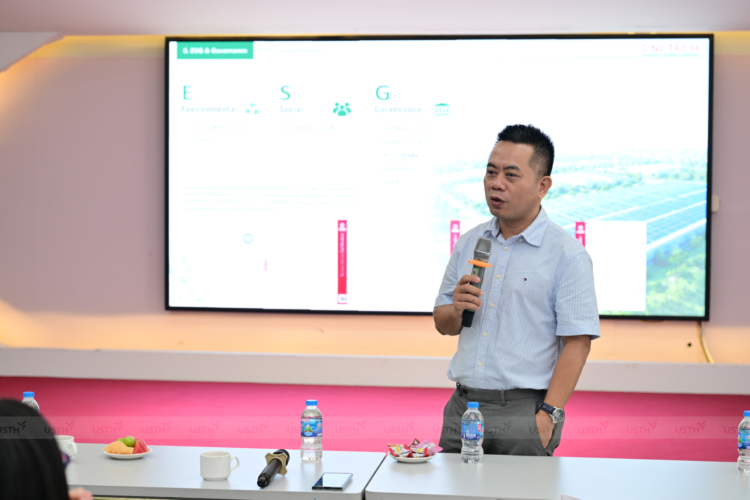
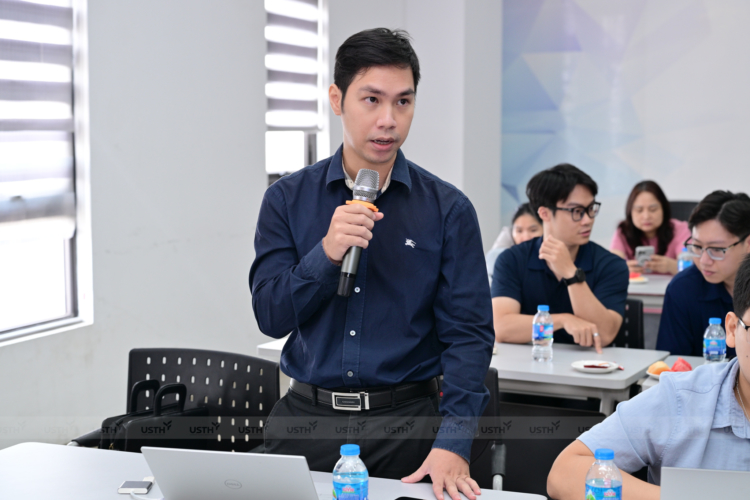
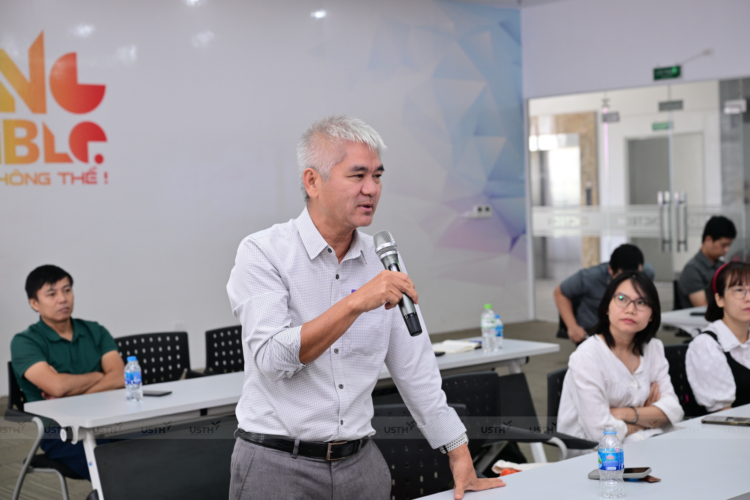
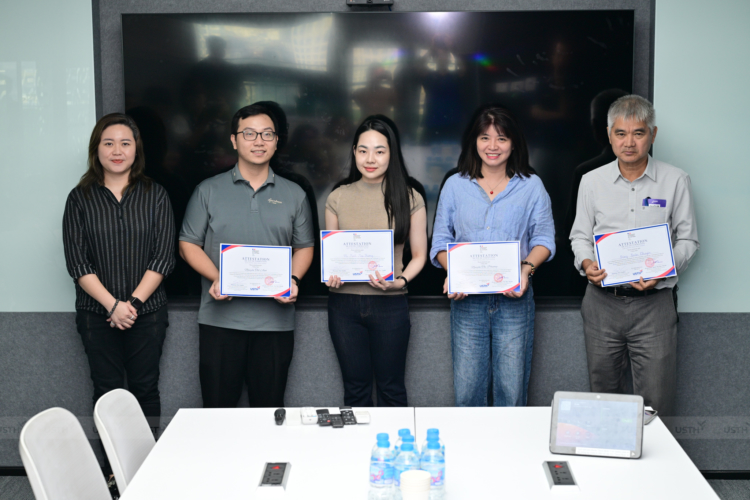
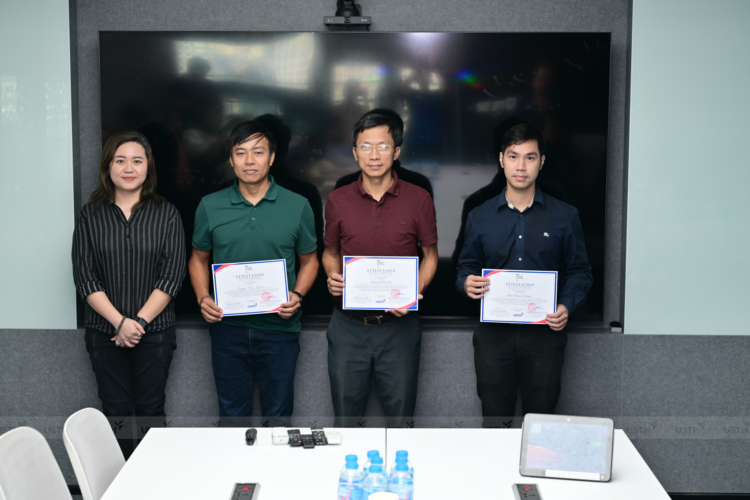
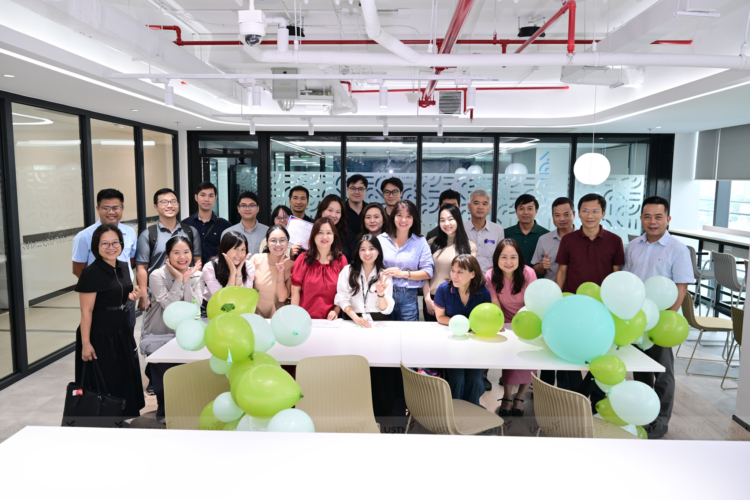
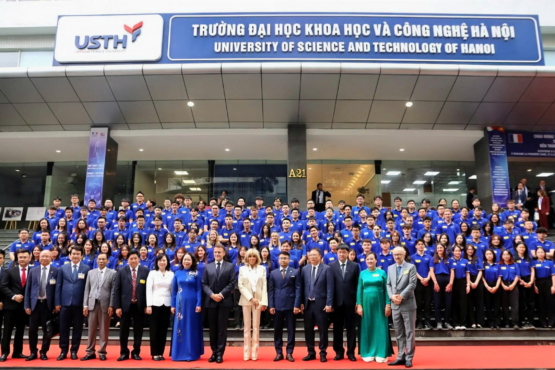
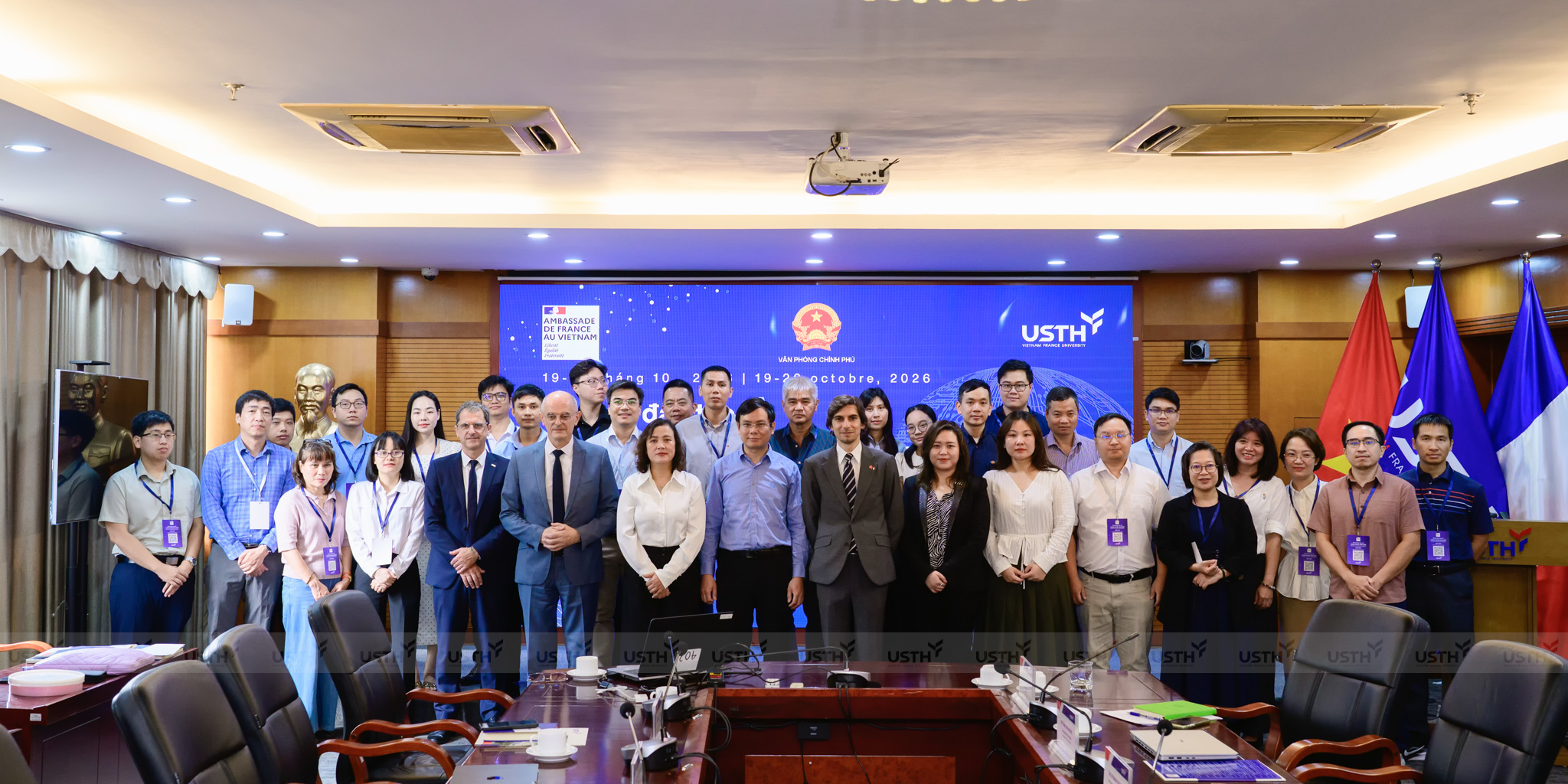
On 19–20 October 2026, the French Embassy in Vietnam and the University of Science and Technology of Hanoi (USTH) jointly organized a semiconductor technology training course for officials from the Government Office, ministries, and relevant agencies. The training course introduced participants to the semiconductor value chain, key technology trends, and industry practices, equipping them with knowledge to better assess the sector’s development needs and contribute to policy formulation.
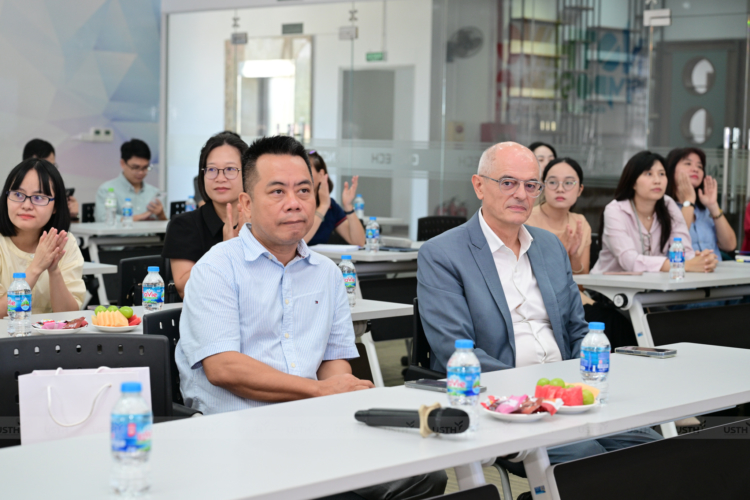
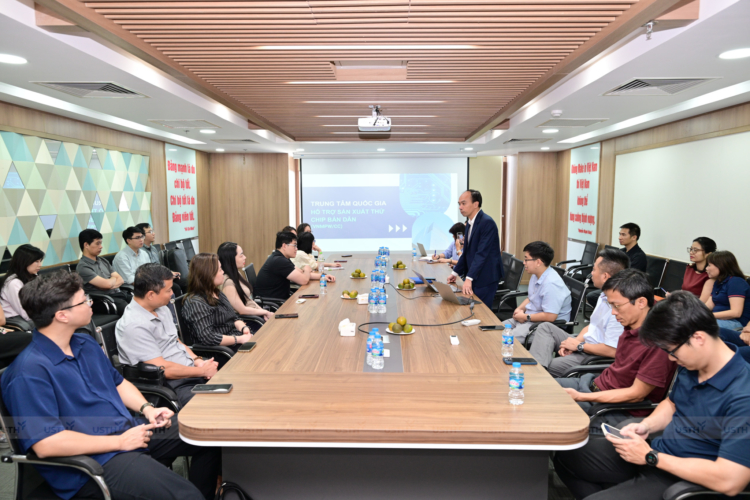
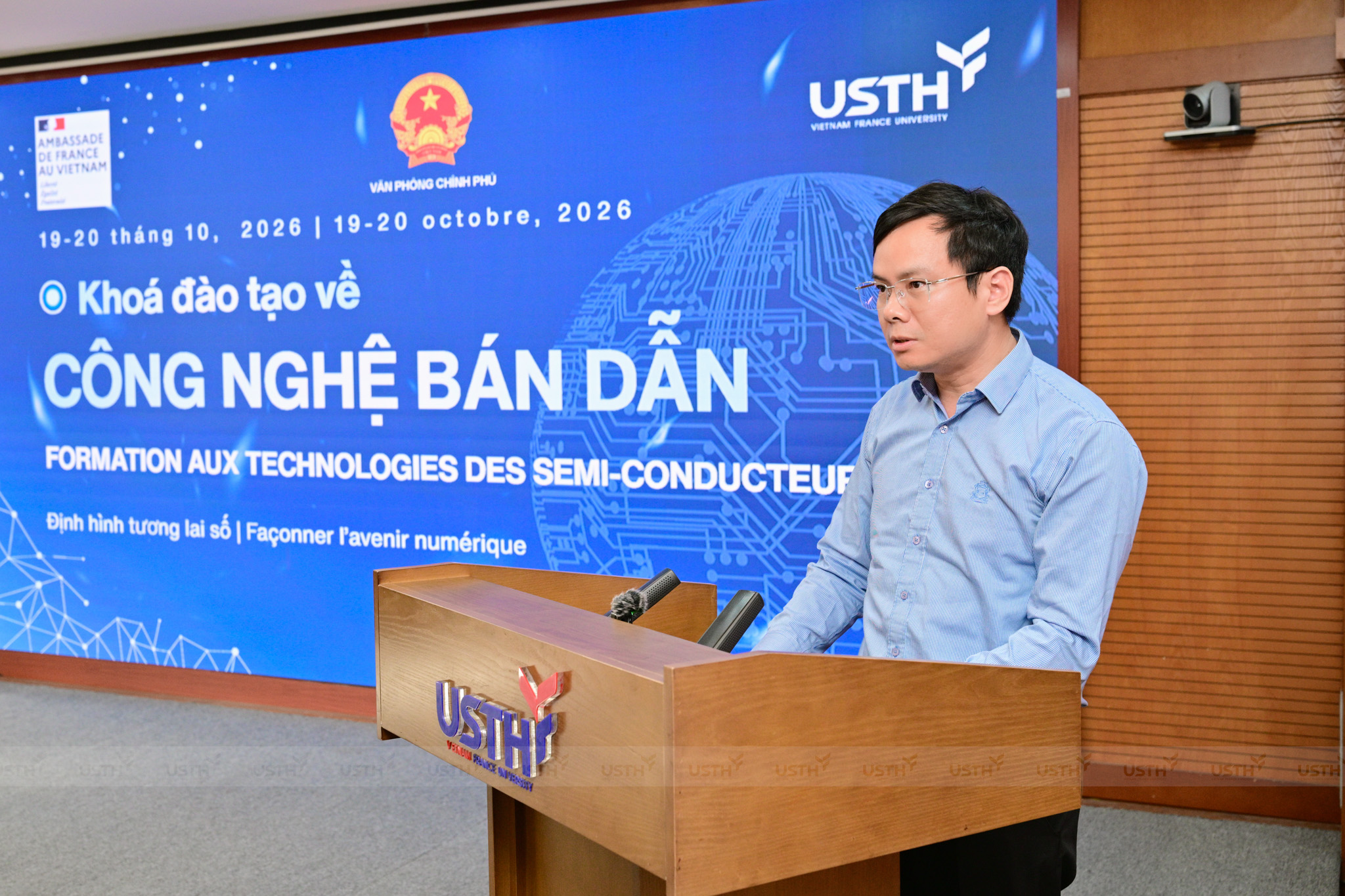
The opening ceremony was held at USTH on 19 October 2026, with the participation of Mr. Romain Busuttil, Deputy Counsellor for Cooperation and Cultural Affairs at the French Embassy in Vietnam; Prof. Dinh Thi Mai Thanh, Rector of USTH; Mr. Nguyen Cong Thanh, Deputy Director General of the Department of Digital Transformation at the Government Office of Vietnam; and representatives of relevant agencies, experts, businesses and participating officials.
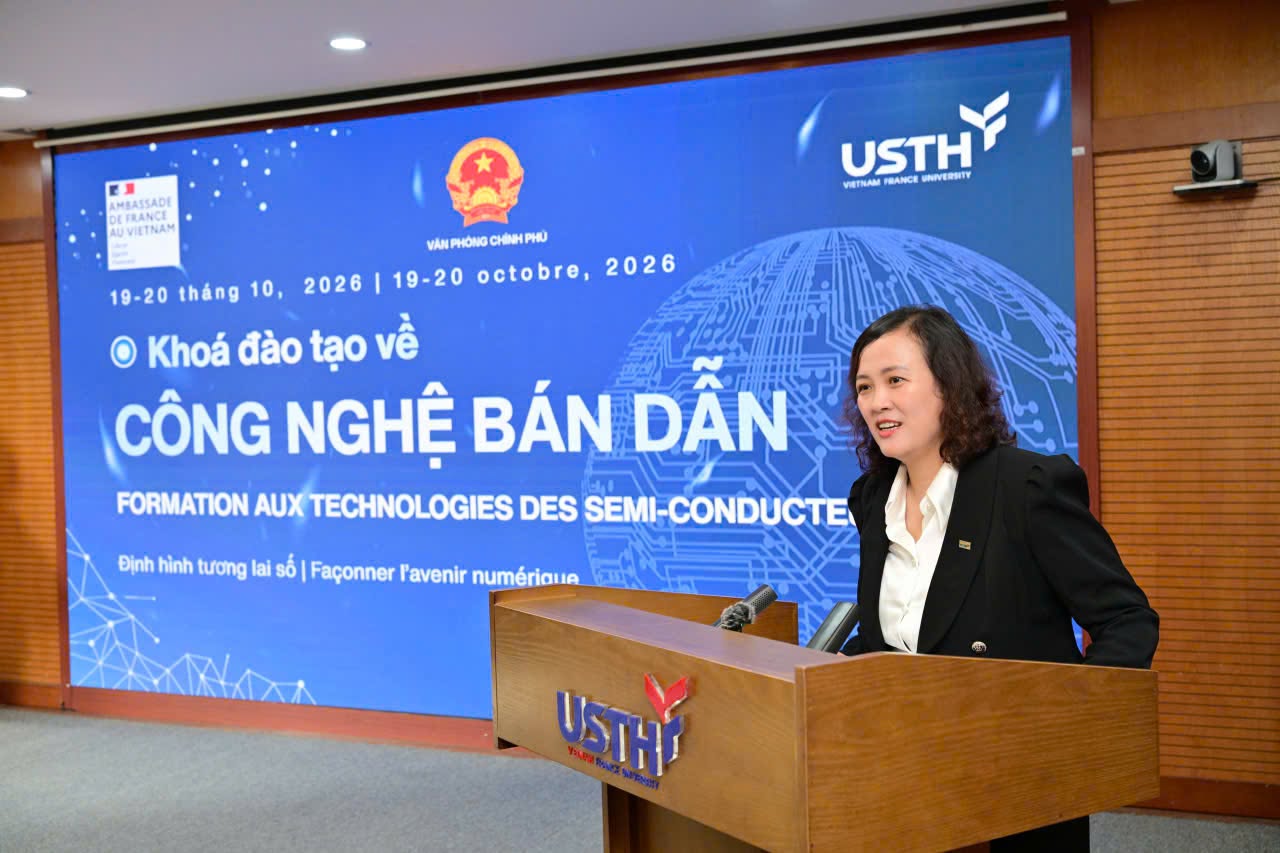
In her opening remarks, Prof. Dinh Thi Mai Thanh highlighted the importance of semiconductor technology to electronics, telecommunications, industrial production, artificial intelligence and other high-tech sectors. She emphasized that developing a competitive semiconductor ecosystem requires more than technological expertise alone. It also depends on a skilled workforce, research and manufacturing infrastructure, materials, supporting industries and technical services. Effective coordination among government agencies, universities, research institutes and businesses is therefore essential to the sector’s development.
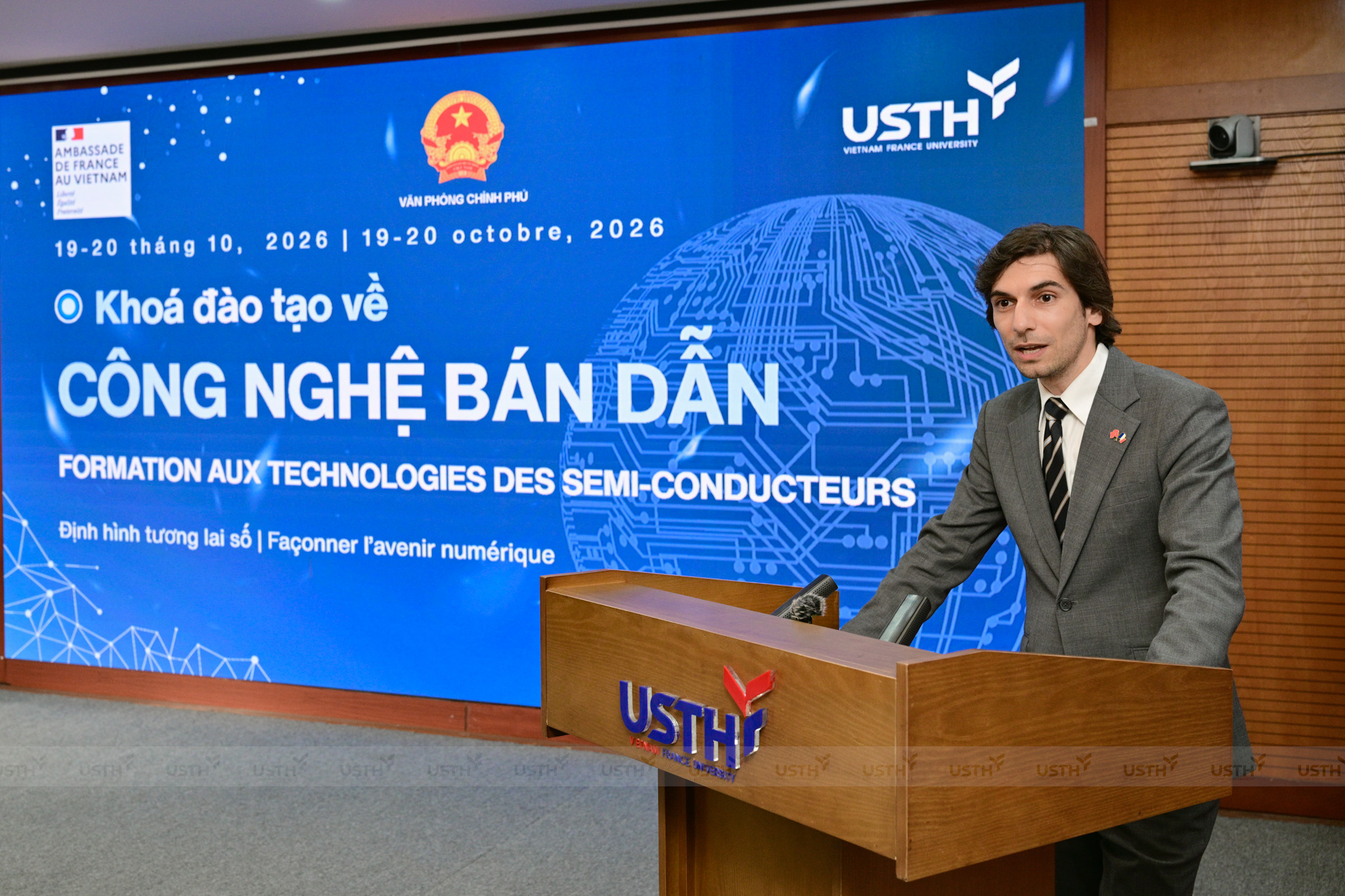
Mr. Romain Busuttil underscored the role of semiconductors in economic and industrial development and digital transformation. He also highlighted opportunities for Vietnam–France cooperation in education and training, research, innovation and technology transfer. He noted that strengthening government officials’ understanding of semiconductor technology and the global value chain would provide a foundation for assessing industry development strategies and the formulation of appropriate policies.
Representing the Government Office, Mr. Nguyen Cong Thanh highly appreciated the French Embassy’s support for bilateral cooperation in digital transformation. He said that the course provided officials with an opportunity to update their knowledge of semiconductor technology, gain a better understanding of industry practices and strengthen their capacity to analyze and assess issues related to the development of high-tech industries.
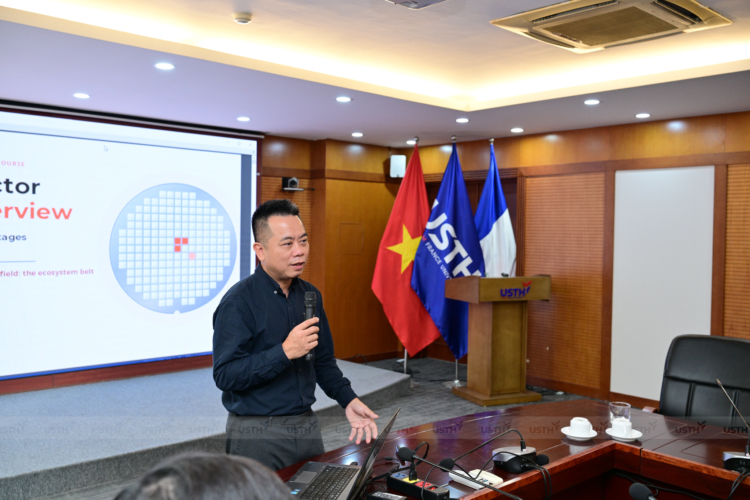
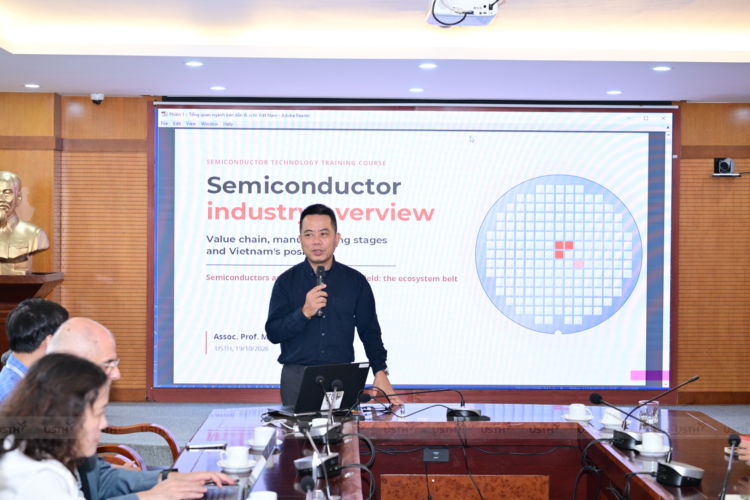
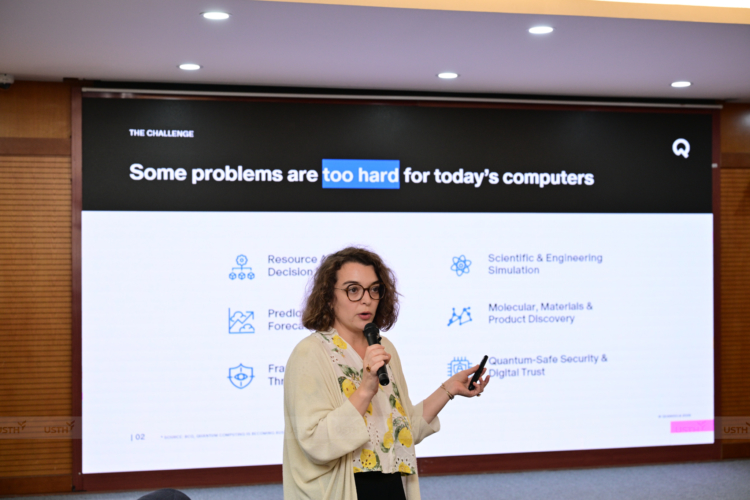
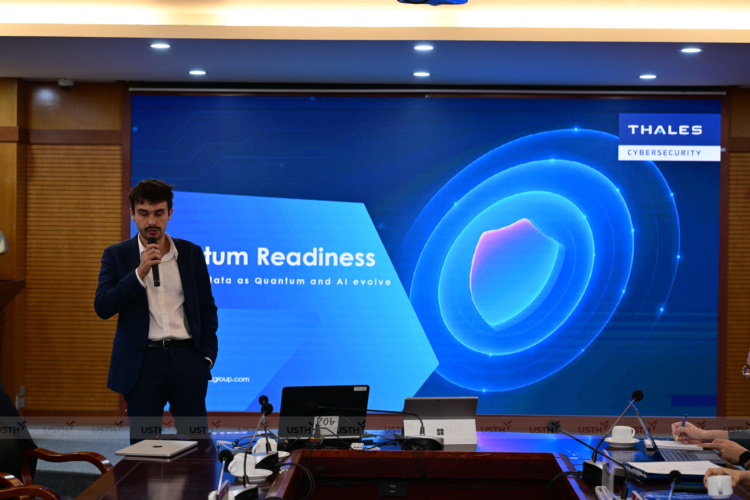
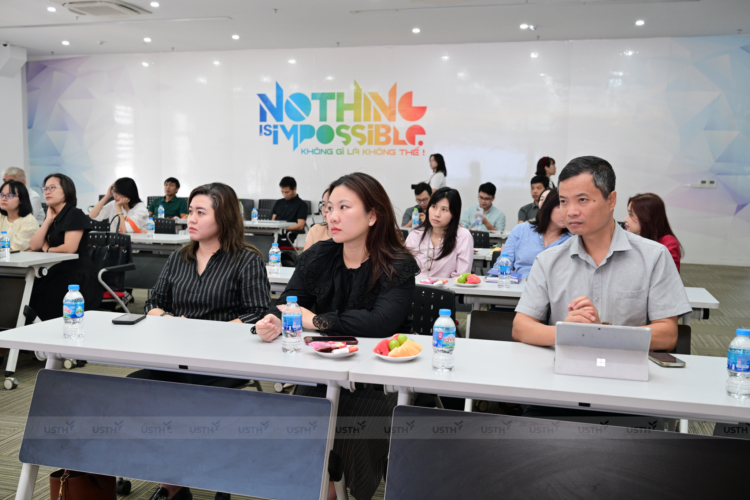
On the first day, participants attended sessions on the semiconductor value chain, the main stages of chip manufacturing and Vietnam’s position in the global semiconductor ecosystem. The course also addressed the links between semiconductor and quantum technologies, the current state of semiconductor workforce training in Vietnam, domestic integrated circuit design capabilities, and challenges in developing the country’s semiconductor ecosystem.
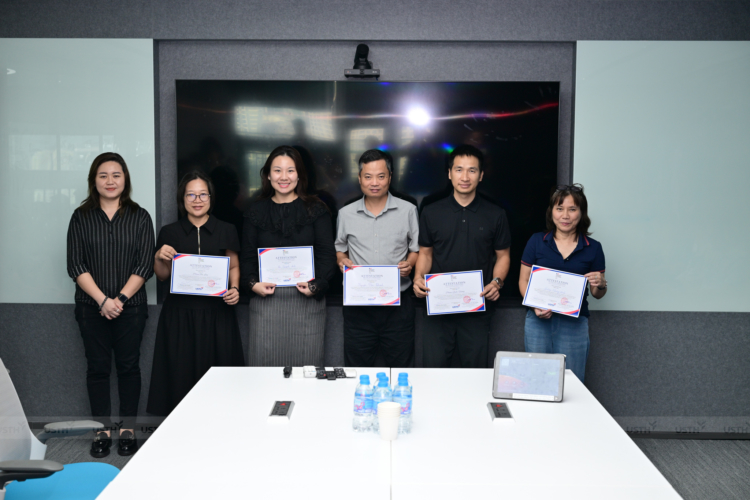
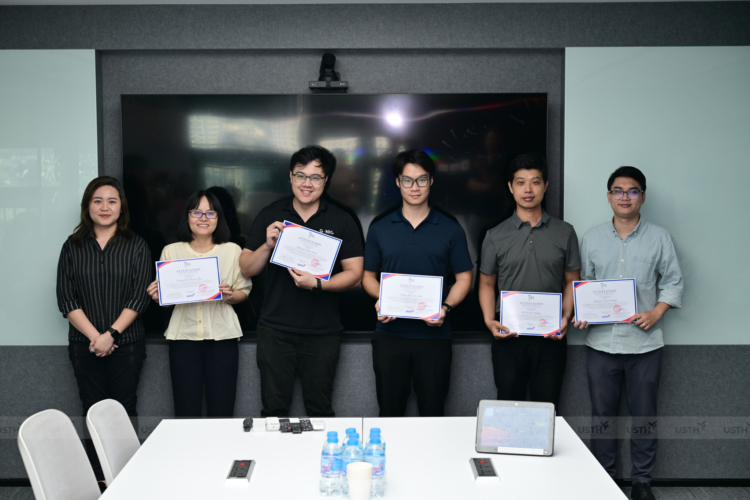
Participants also took part in a simulated cleanroom experience, gaining an introduction to the controlled conditions required in semiconductor manufacturing. The activity helped them understand the purpose of cleanroom environments and the differences between simulated exercises and operations in an actual cleanroom.
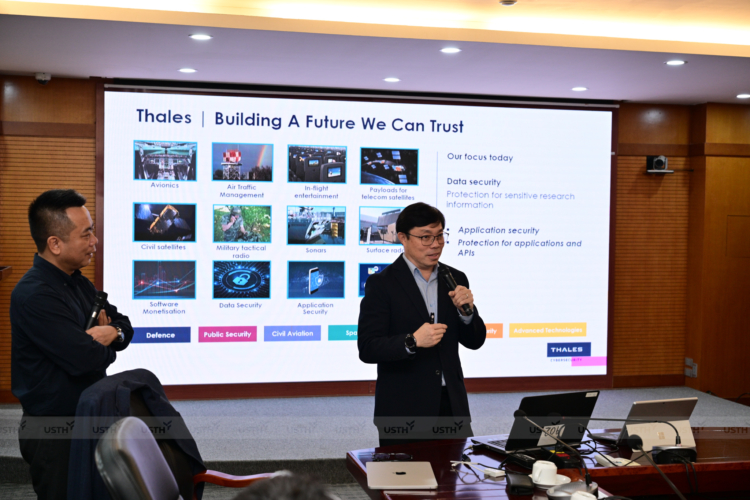
Experts from USTH, VNU University of Engineering and Technology, FPT Corporation and international companies, including Quandela, Thales, Plasma-Therm Europe and STMicroelectronics, contributed to the sessions. Discussions extended beyond technical topics to cover technology trends, industry development policies, technology security and opportunities for Vietnam–France cooperation.
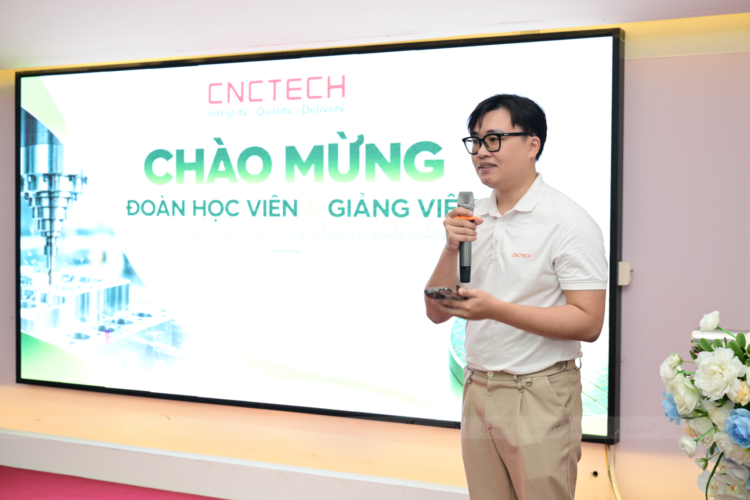
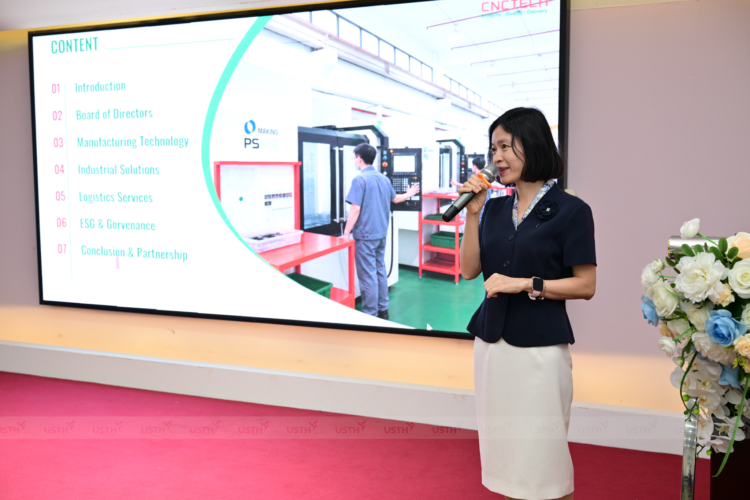
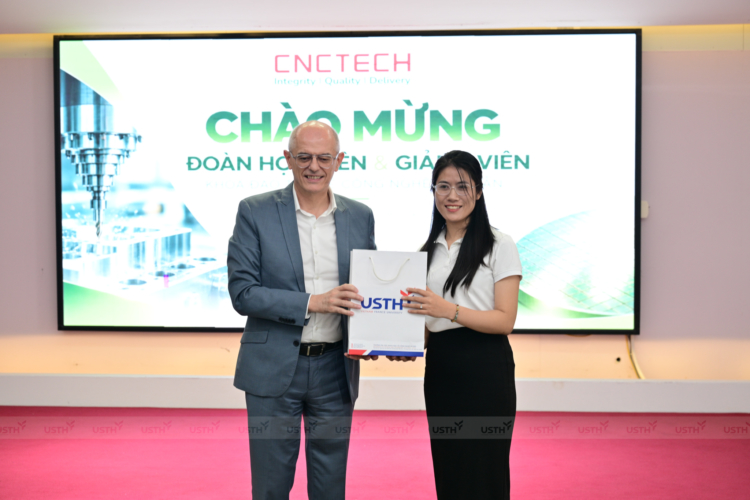
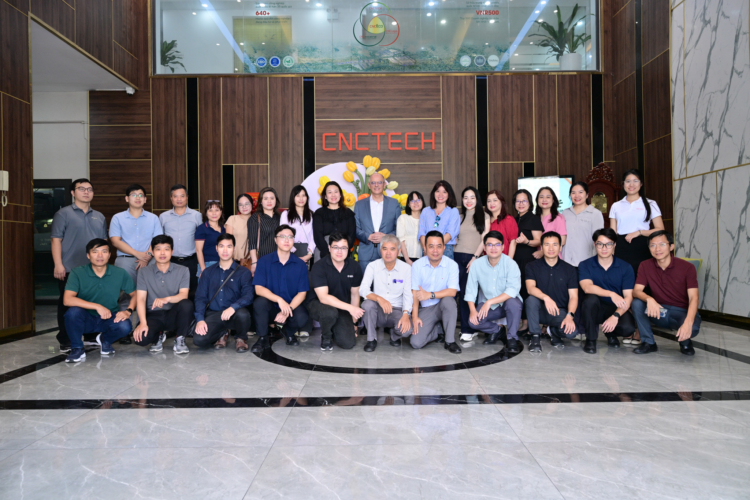
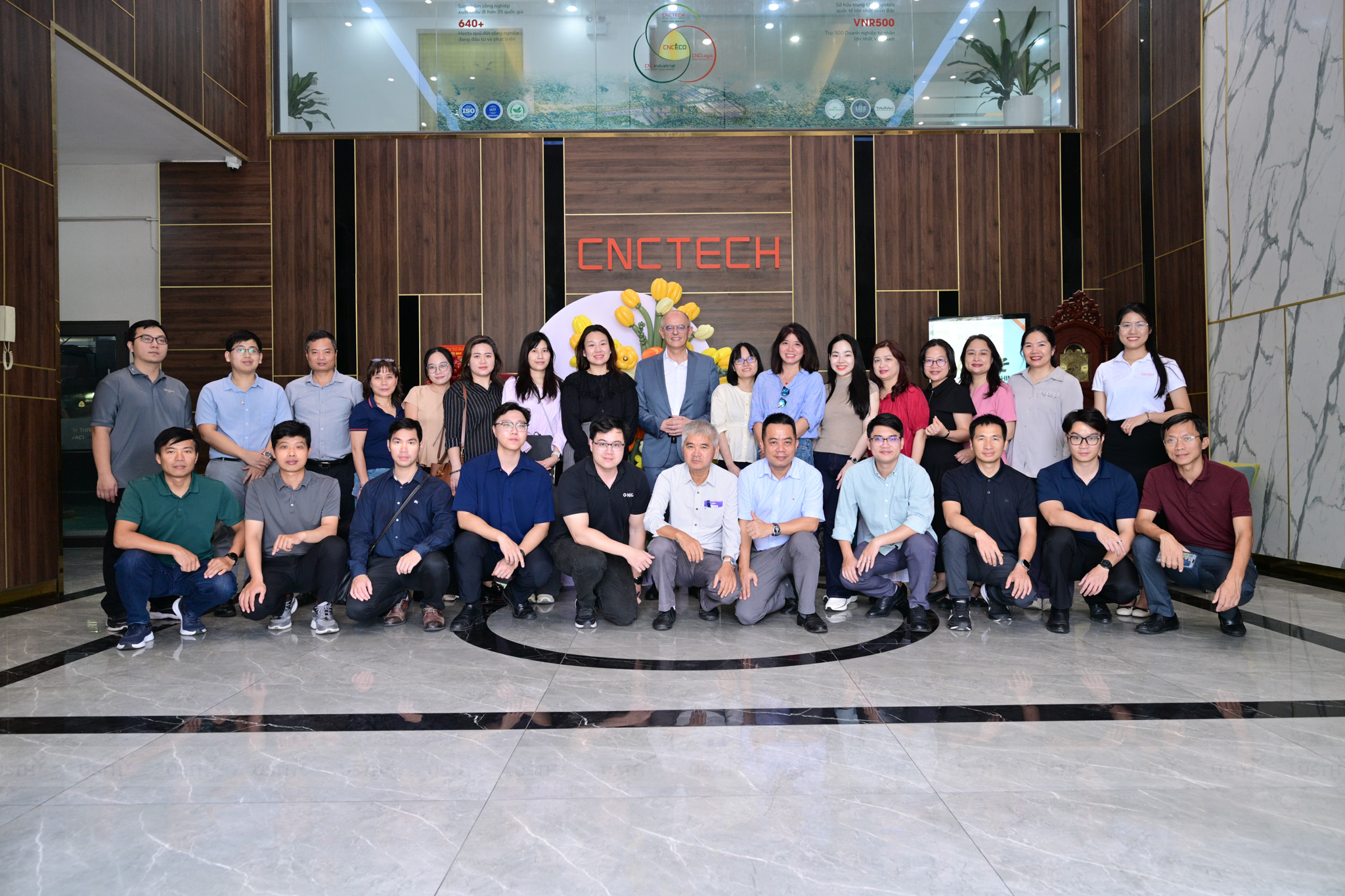
On 20 October, participants visited CNCTech Thang Long, Qorvo Vietnam and the National Center for Semiconductor Chip Prototyping to learn about semiconductor-related activities in Vietnam.
Through site visits and discussions with representatives of the companies, participants gained insights into component manufacturing and supply, supply chain requirements, workforce needs, and domestic capabilities in semiconductor chip research and prototyping.
By combining expert-led sessions, practical activities and industry visits, the program offered participants a broader understanding of the semiconductor industry, from manufacturing processes and supply chains to the infrastructure and human resources needed to support its growth. This knowledge can help inform their assessment of development proposals, resource requirements, and policy priorities for Vietnam’s semiconductor industry.
Co-organizing this training course reinforced the role of USTH in connecting training and scientific research with industrial development, while fostering professional exchange among educational institutions, government agencies, and businesses.
The course was organized within the framework of Vietnam–France cooperation in digital transformation and high-tech workforce development. It contributed to strengthening professional exchanges and identifying further opportunities for bilateral cooperation between Vietnam and France in the semiconductor sector.
Highlights of the training course: