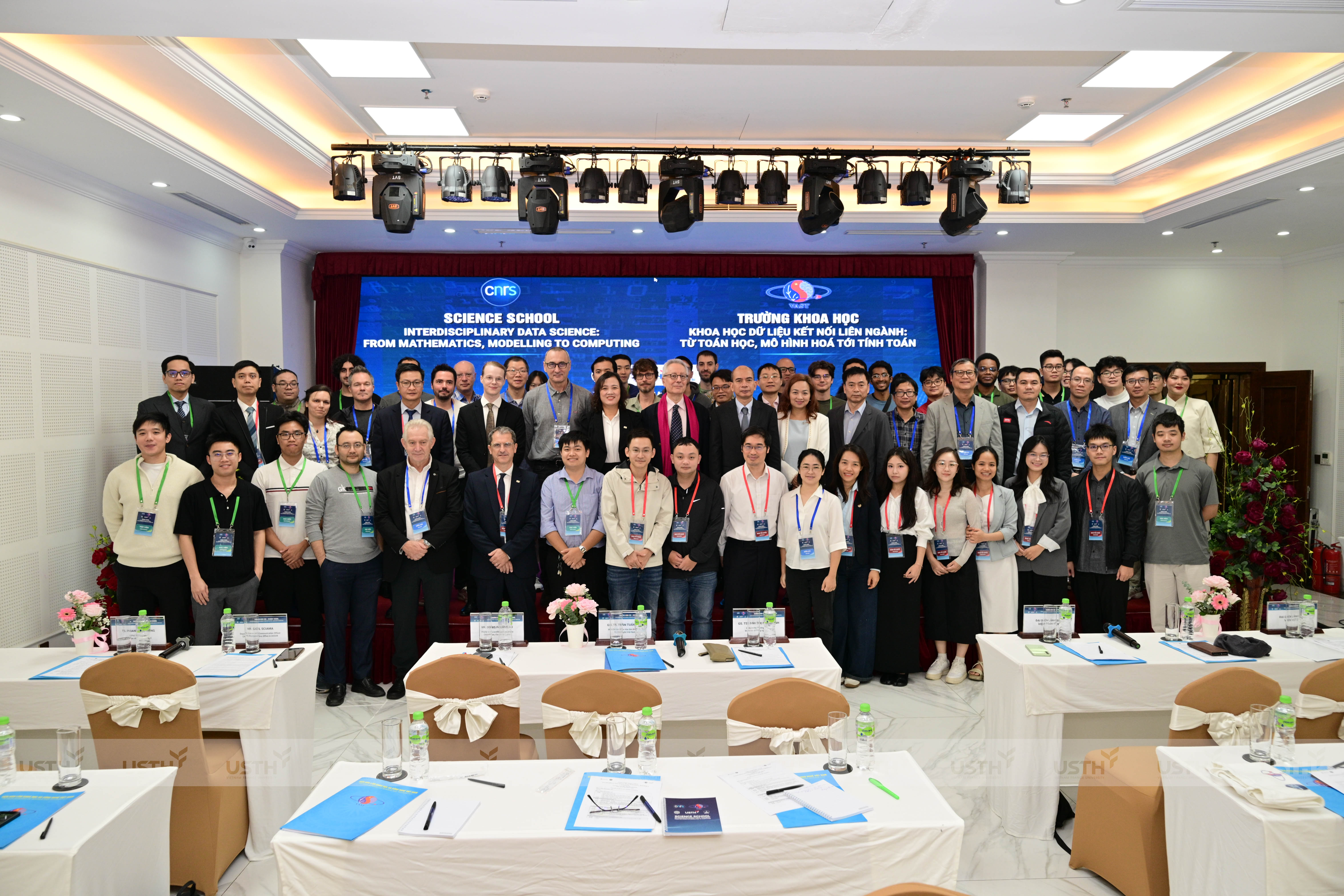
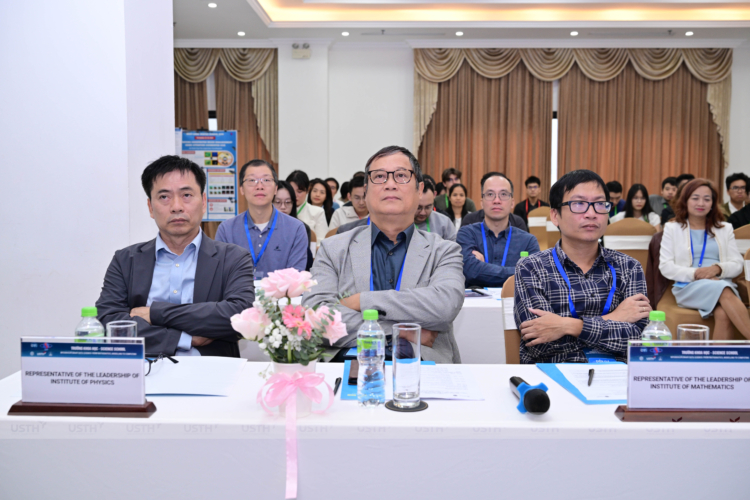
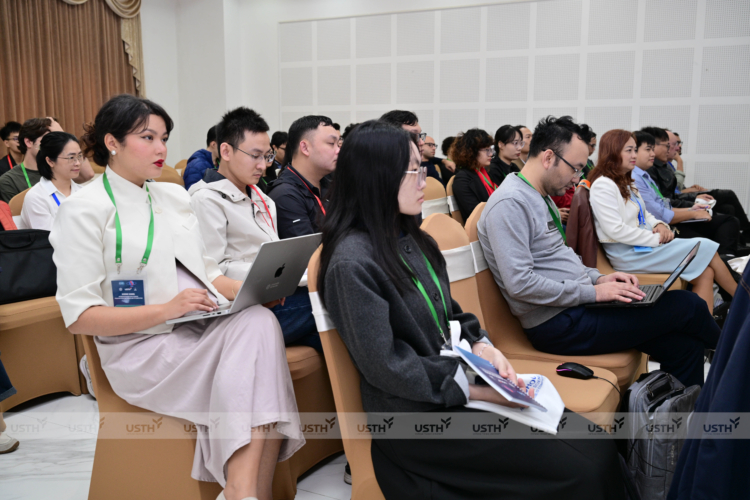
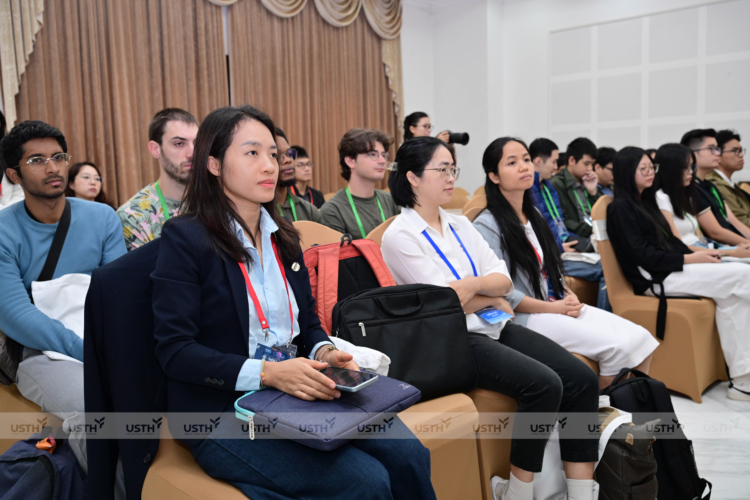
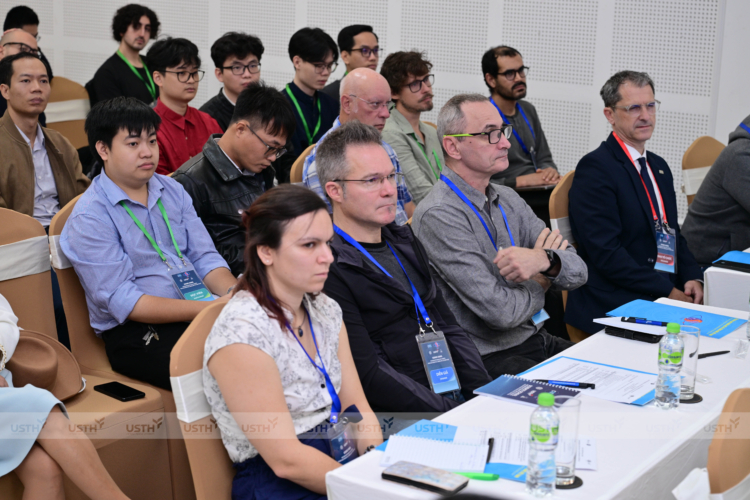
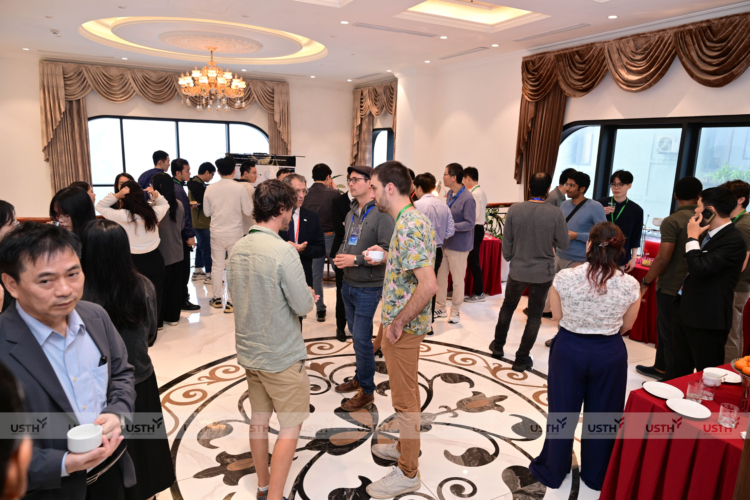
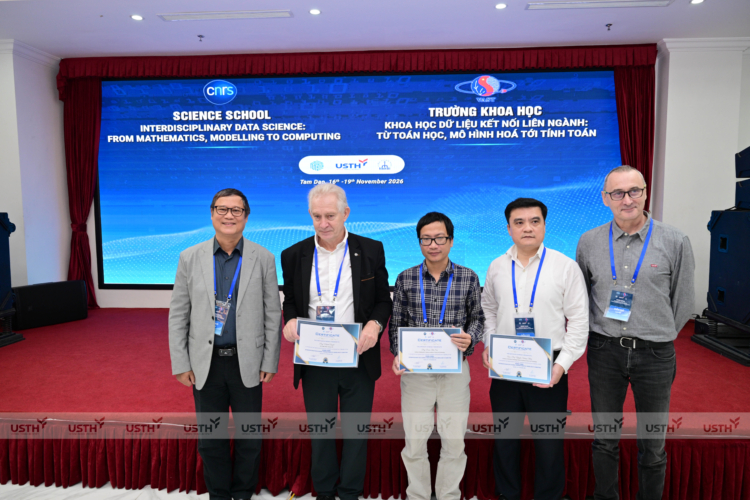
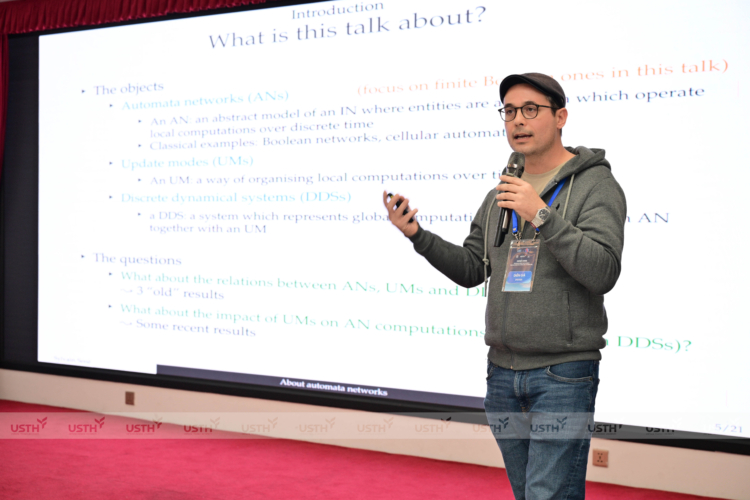
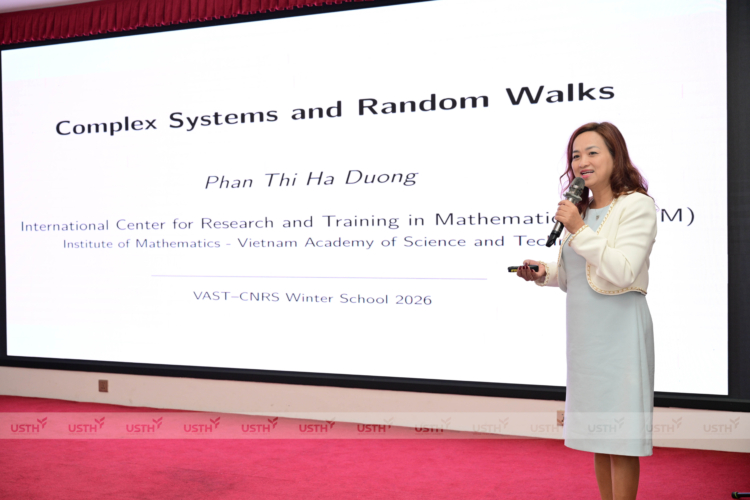
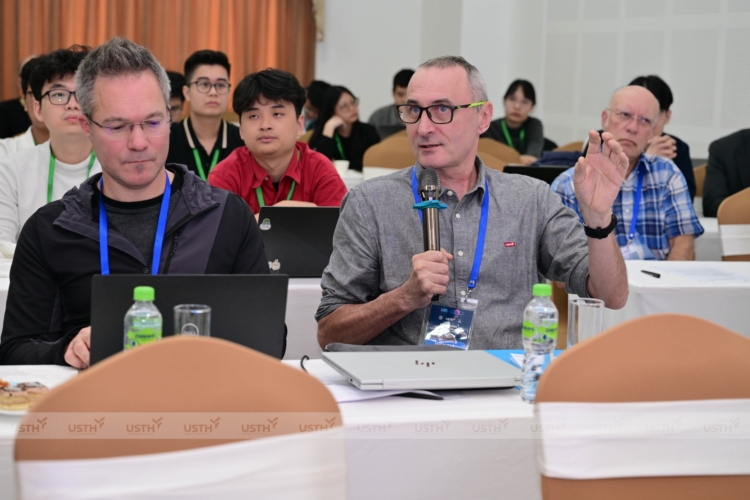
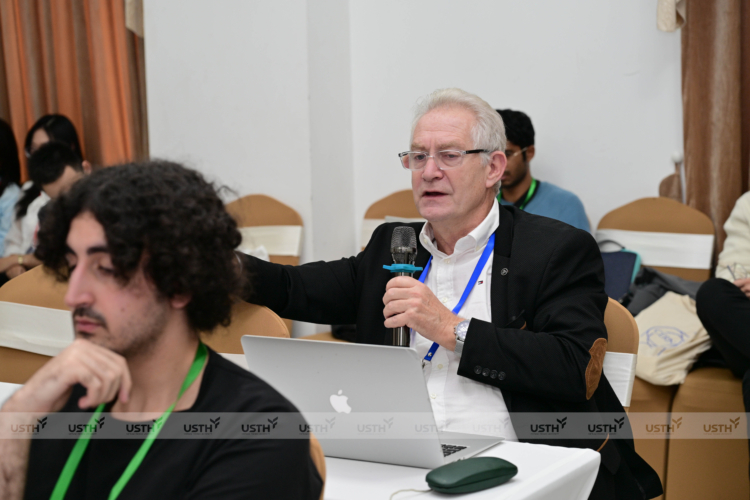
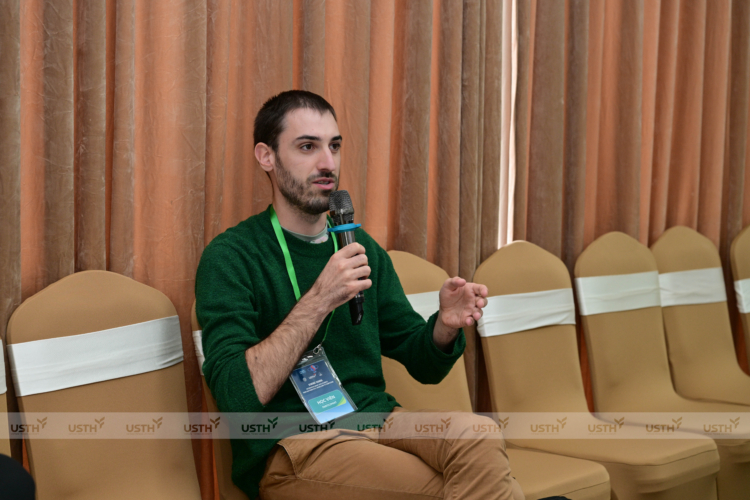
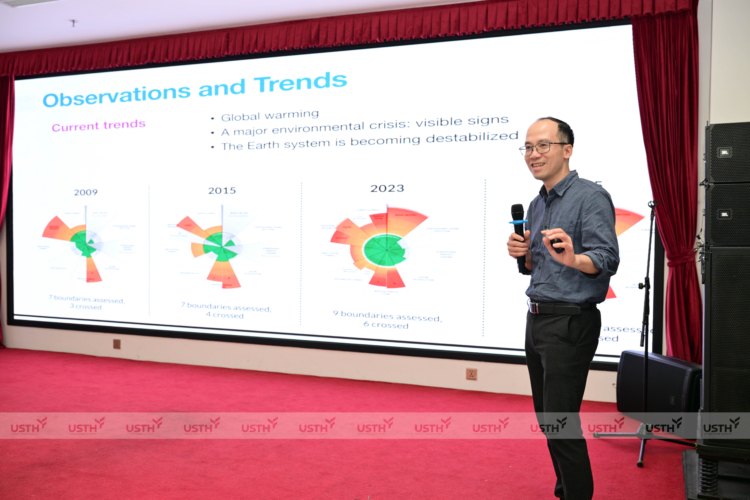
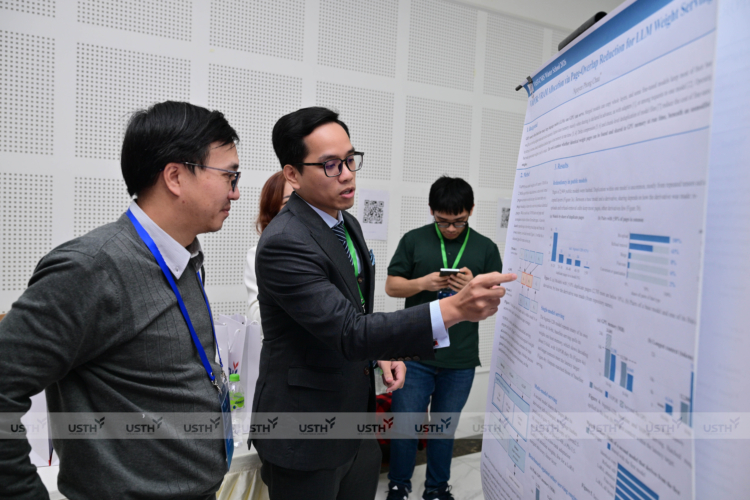
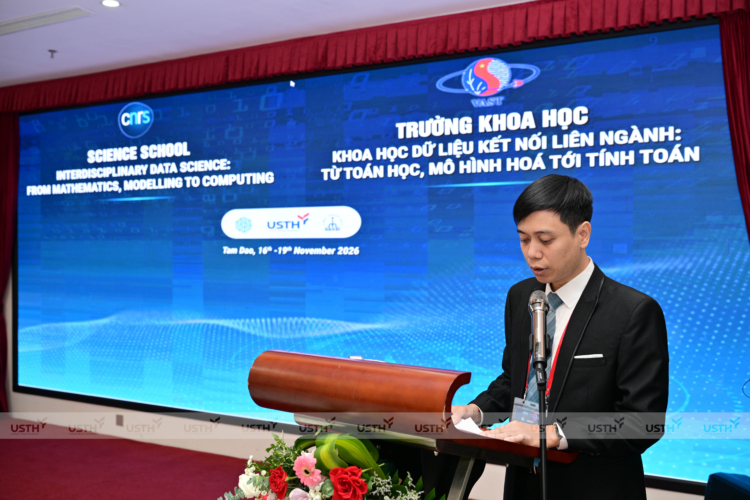
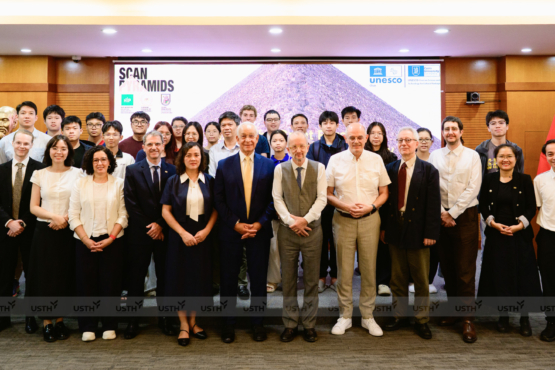
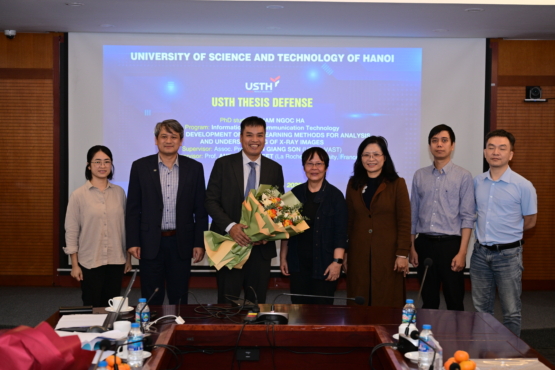
On November 16, 2026, the VAST–CNRS Winter School 2026 officially opened in Tam Dao, Phu Tho Province, under the theme “Interdisciplinary Data Science: From Mathematics, Modelling to Computing.” The program brought together scientists from Vietnam and France, with lecturers, graduate students, and undergraduate students from the University of Science and Technology of Hanoi (USTH) actively presenting numerous research findings across the scientific sessions.
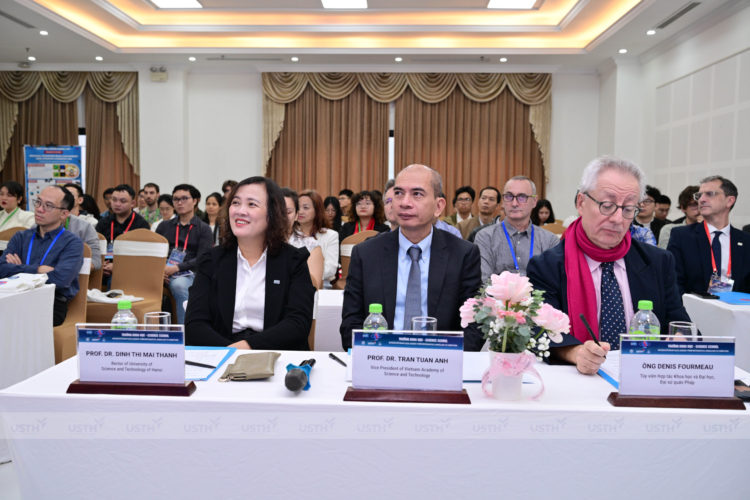
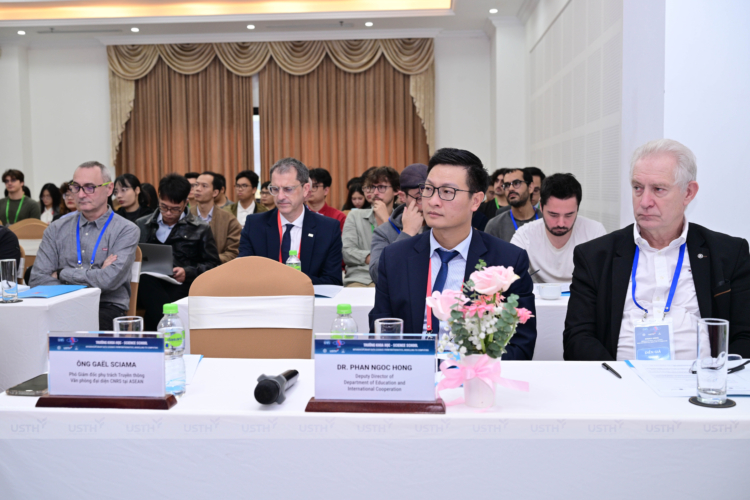
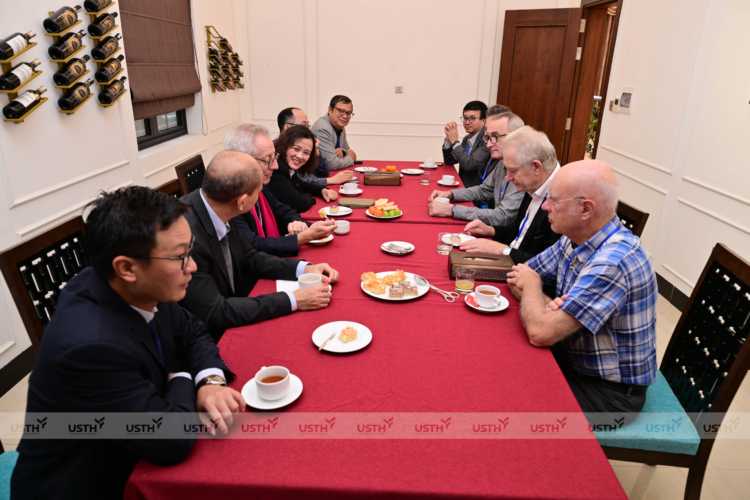
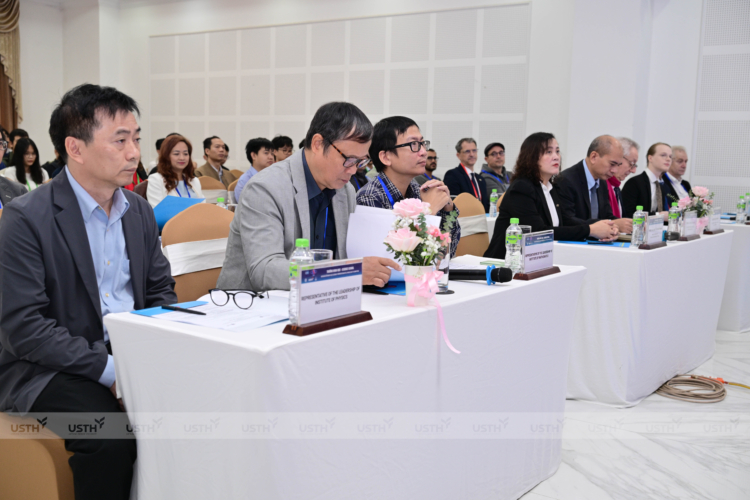
Attending the opening ceremony were Prof. Dr. Tran Tuan Anh, Vice President of the Vietnam Academy of Science and Technology (VAST); Dr. Phan Ngoc Hong, Deputy Director of the International Cooperation Department at VAST; Mr. Gael Sciama, Deputy Director in charge of Communications at the ASEAN Representative Office of the French National Centre for Scientific Research (CNRS); Mr. Denis Fourmeau, Attaché for Scientific and Higher Education Cooperation at the French Embassy in Vietnam; and Prof. Dr. Dinh Thi Mai Thanh, Rector of USTH.
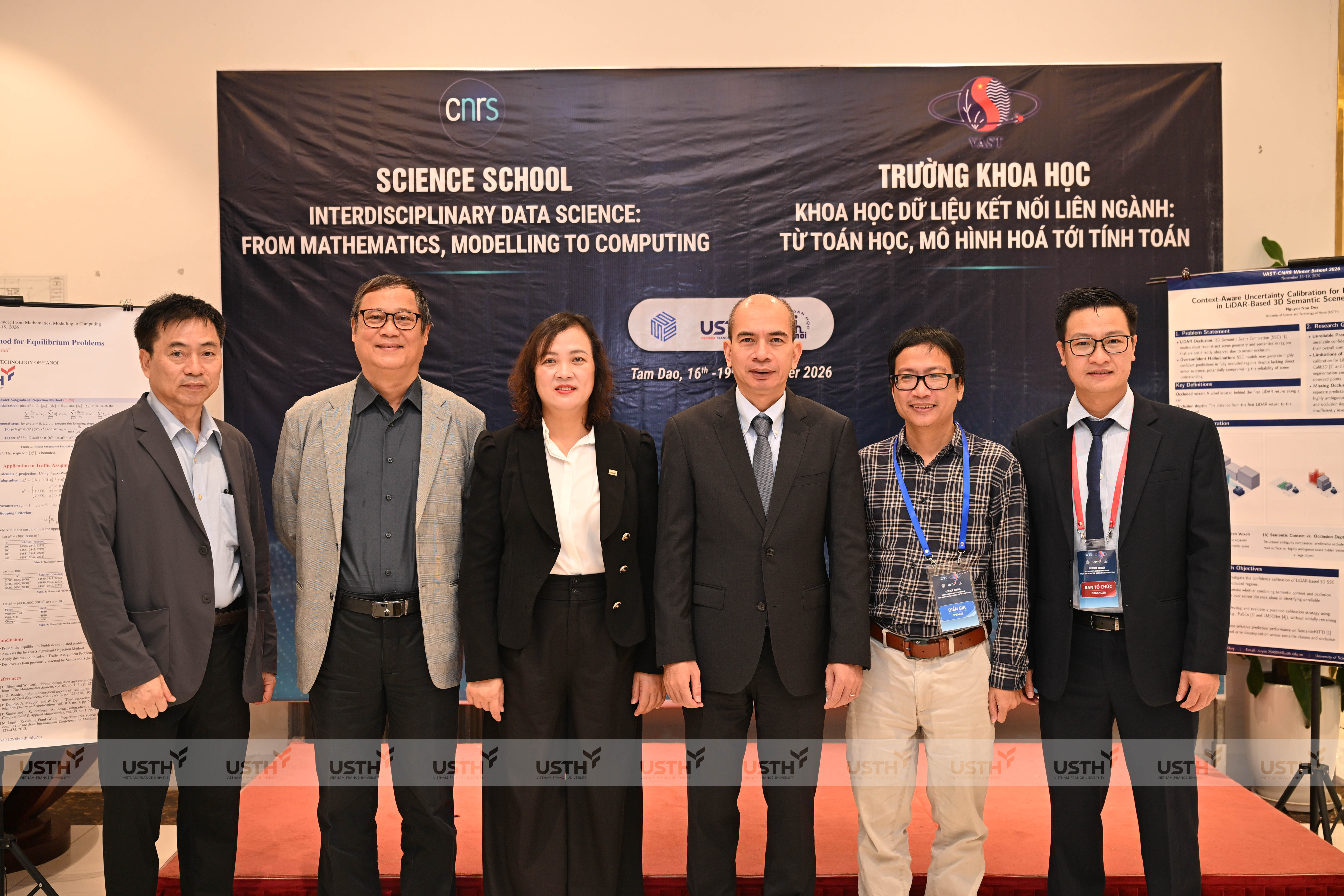
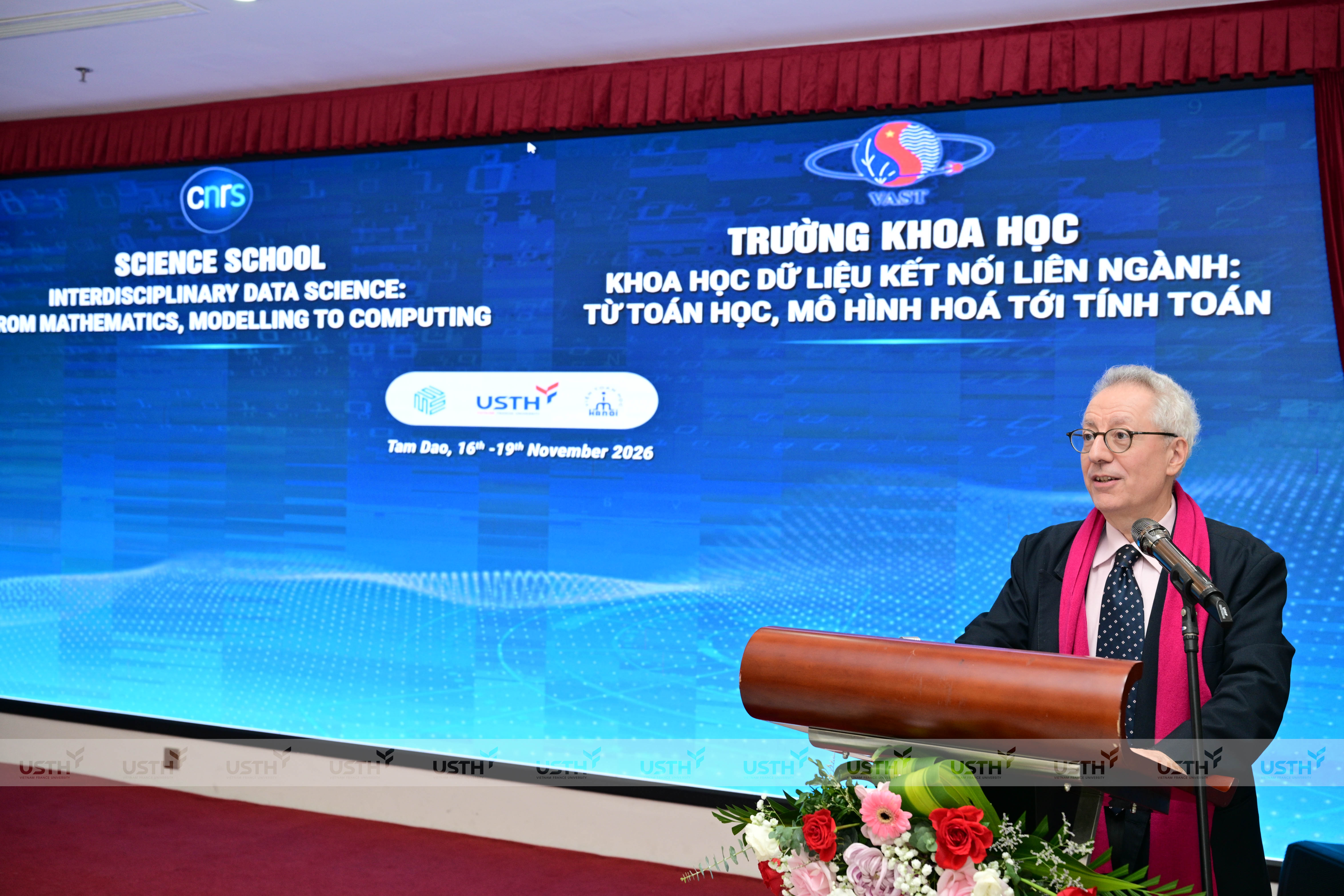
The event also welcomed scientists from French research units in Toulouse (IRIT), Rennes (IRISA), Grenoble (LIG), Clermont-Auvergne (LIMOS), and Poitiers (XLIM). On the Vietnamese side, representatives and researchers came from the Institute of Mathematics, the Institute of Information Technology, the France–Vietnam International Research Laboratory in Mathematics and Applications (IRL FVMA), and USTH. PhD candidates, postdoctoral fellows, and young researchers from both countries also took part in the program.
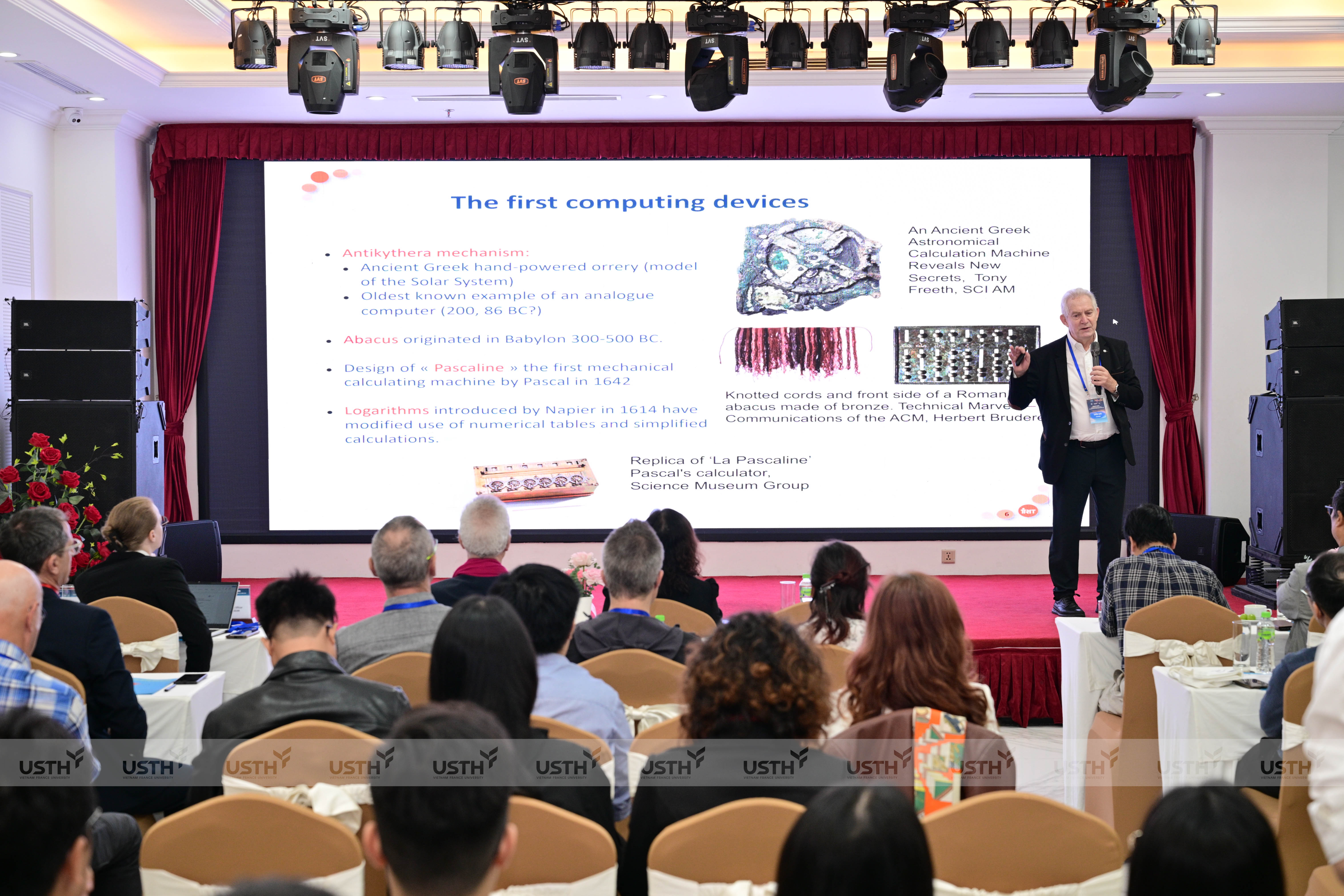
Affirming the Role of Interdisciplinary Research
In his opening remarks, Prof. Dr. Tran Tuan Anh, Vice President of VAST, emphasized the increasingly vital role of data science in modern research. According to him, mathematics provides rigorous foundations and tools, modelling helps describe and predict complex systems, while advanced computing capabilities enable the processing of ever-growing volumes of data. Today’s scientific challenges demand collaboration across multiple disciplines rather than single-discipline approaches.
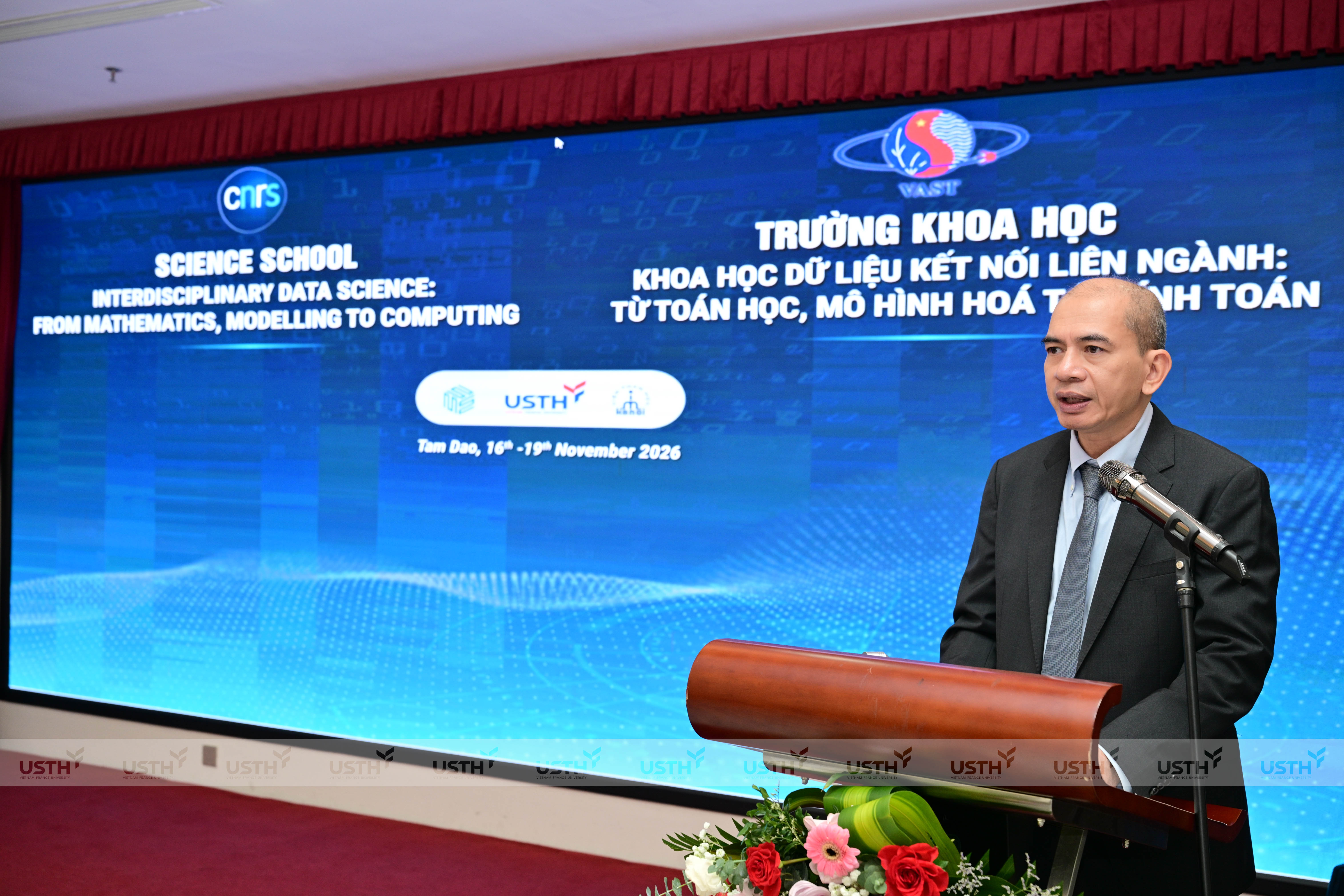
He also highlighted that this interdisciplinary research orientation aligns with Vietnam’s development strategy outlined in Politburo Resolution No. 57-NQ/TW on breakthroughs in science, technology, innovation, and national digital transformation, as well as the List of Strategic Technologies and Strategic Technology Products under Prime Minister Decision No. 1131/QĐ-TTg. Prof. Dr. Tran Tuan Anh expressed his hope that the Winter School would help foster an interdisciplinary research community, creating favorable conditions for young Vietnamese and French scientists to form joint research groups and collaborative projects.
The VAST–CNRS Winter School is an initiative within the framework of long-standing scientific cooperation between VAST and CNRS. Over the past four decades, the two sides have implemented numerous joint research projects, established France–Vietnam associated laboratories, and co-supervised doctoral students. The predecessor to this series was the 14 Do Son Schools held between 1999 and 2012. Since its relaunch in 2022, the program has successively organized thematic schools on Chemistry in 2023, Biotechnology in 2024, and Physics and Materials Science in 2025.
Representing CNRS, Mr. Gael Sciama, Deputy Director in charge of Communications at the CNRS ASEAN Office, praised the significance of sustaining academic exchange and training the next generation of researchers. He noted major bilateral research achievements, including the international research project HYDROGENE launched in January 2025 and the PaCHA project on plant genomics for sustainable agriculture in the context of climate change, initiated in January 2026. He expressed confidence that this year’s Winter School would continue to pave the way for new avenues of cooperation in data science.
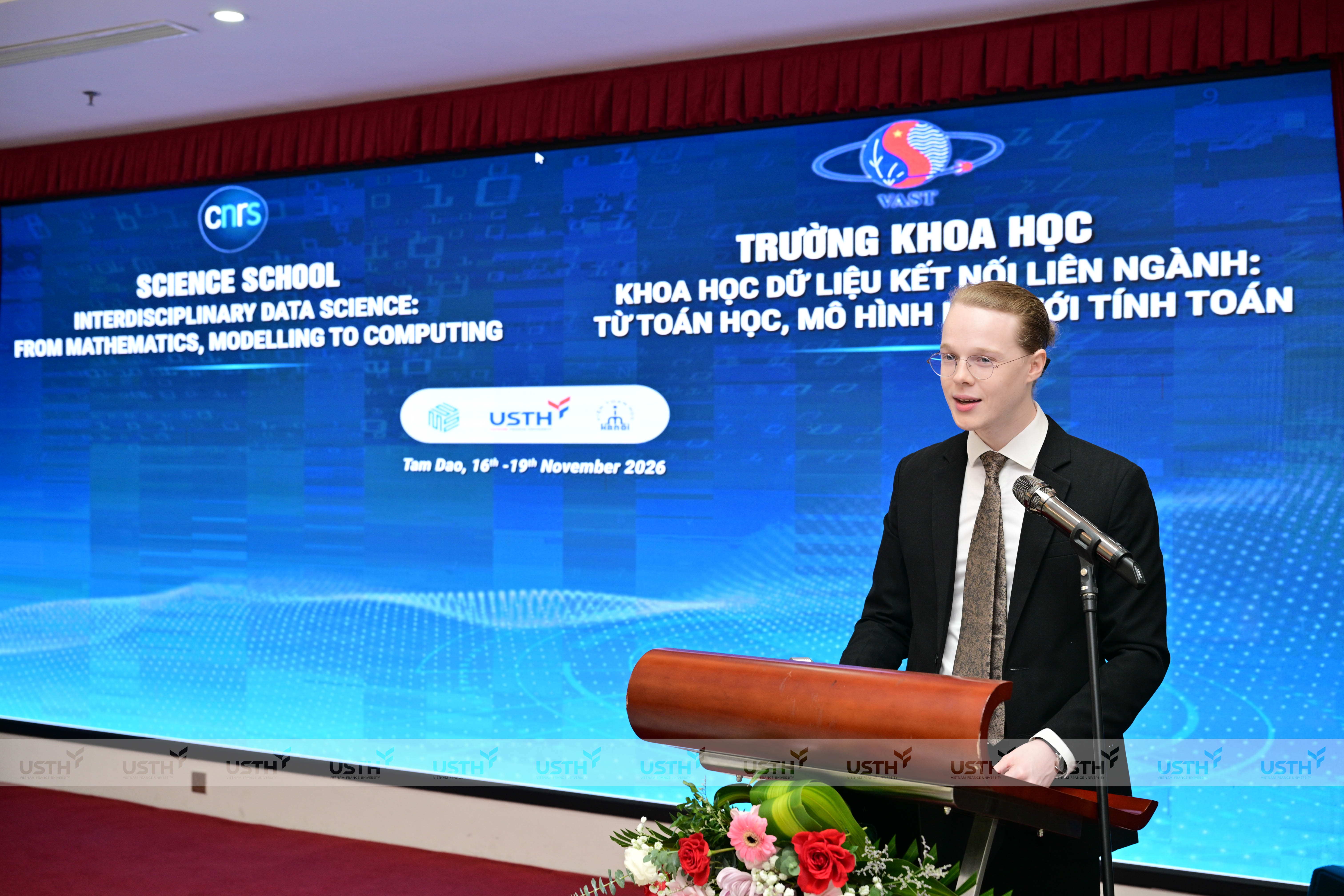
USTH’s Academic Imprint
Under this year’s theme, the program focused on the mathematical foundations of data science, complex system modelling, machine learning, artificial intelligence, and advanced computing infrastructure. The scientific sessions gathered experts from leading French research institutions such as IRIT, IRISA, LIG, LIMOS, and XLIM, alongside research institutes under VAST and USTH.
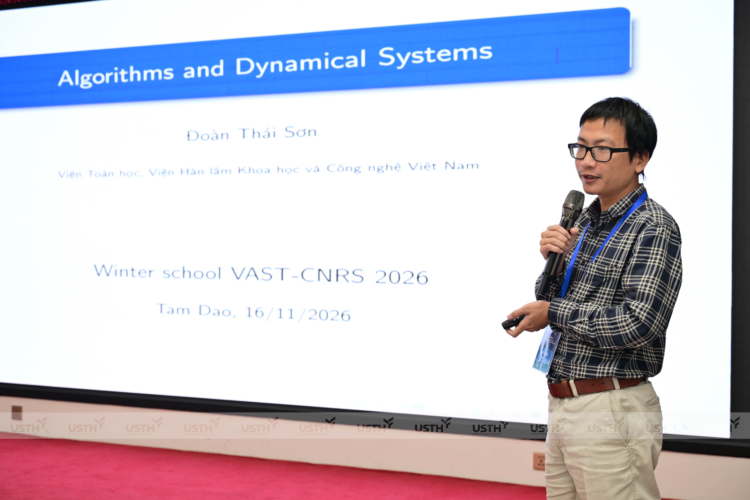
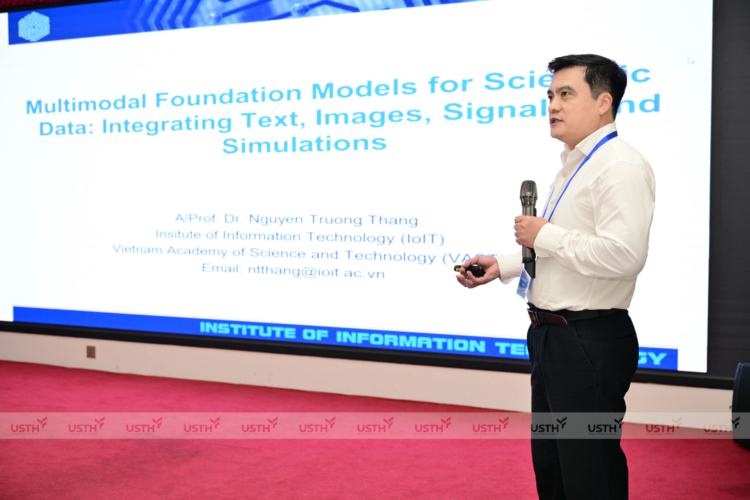
During the specialized presentation sessions, USTH lecturers contributed a wide range of notable studies in data science, artificial intelligence (AI), and machine learning. Topics spanned reinforcement learning, privacy protection, and speech recognition, as well as practical applications in healthcare, precision agriculture, wireless networks, and image processing. By bridging mathematical foundations with modelling and computing technologies, these works demonstrated strong interdisciplinarity and the capacity to address real-world problems across multiple sectors.
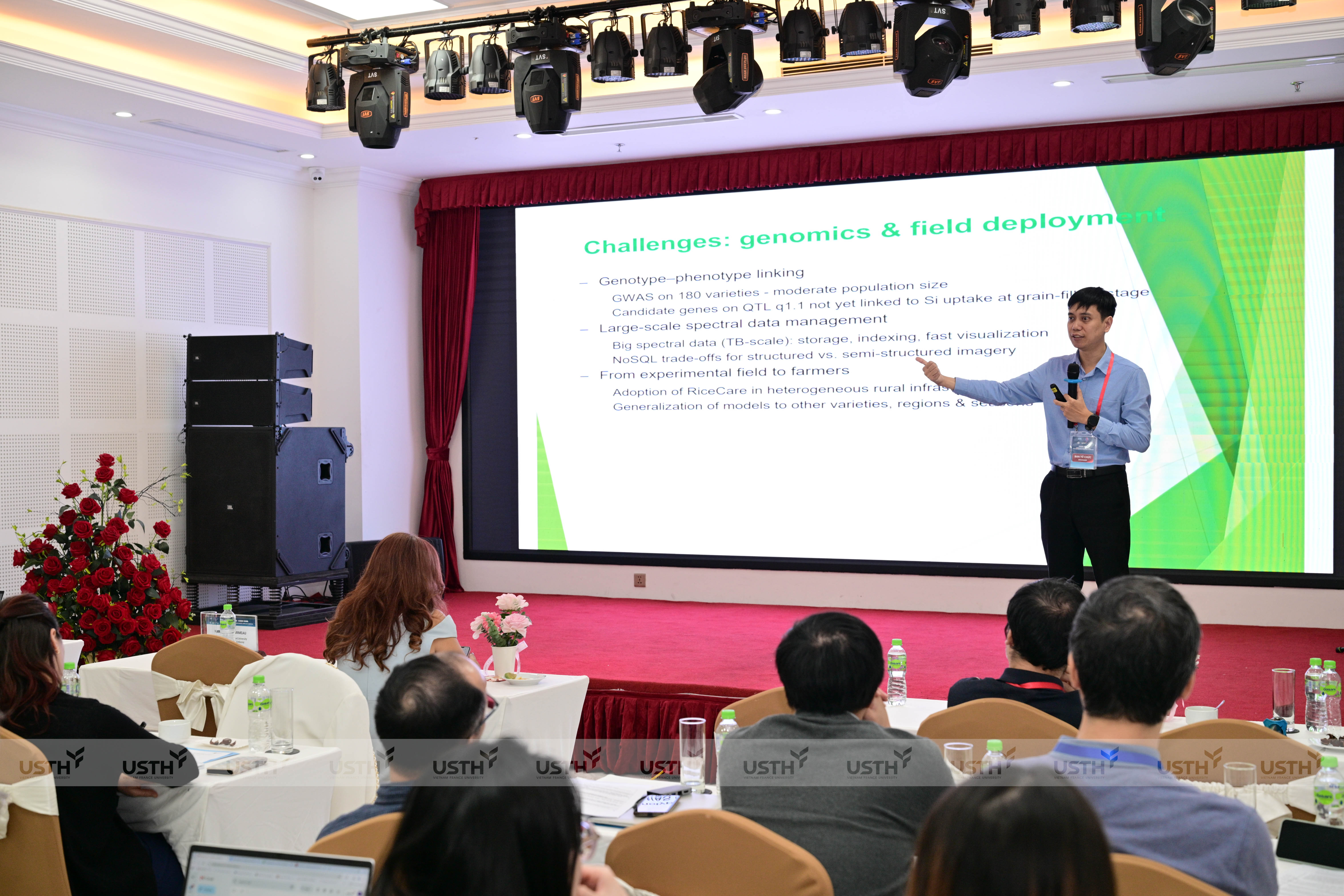
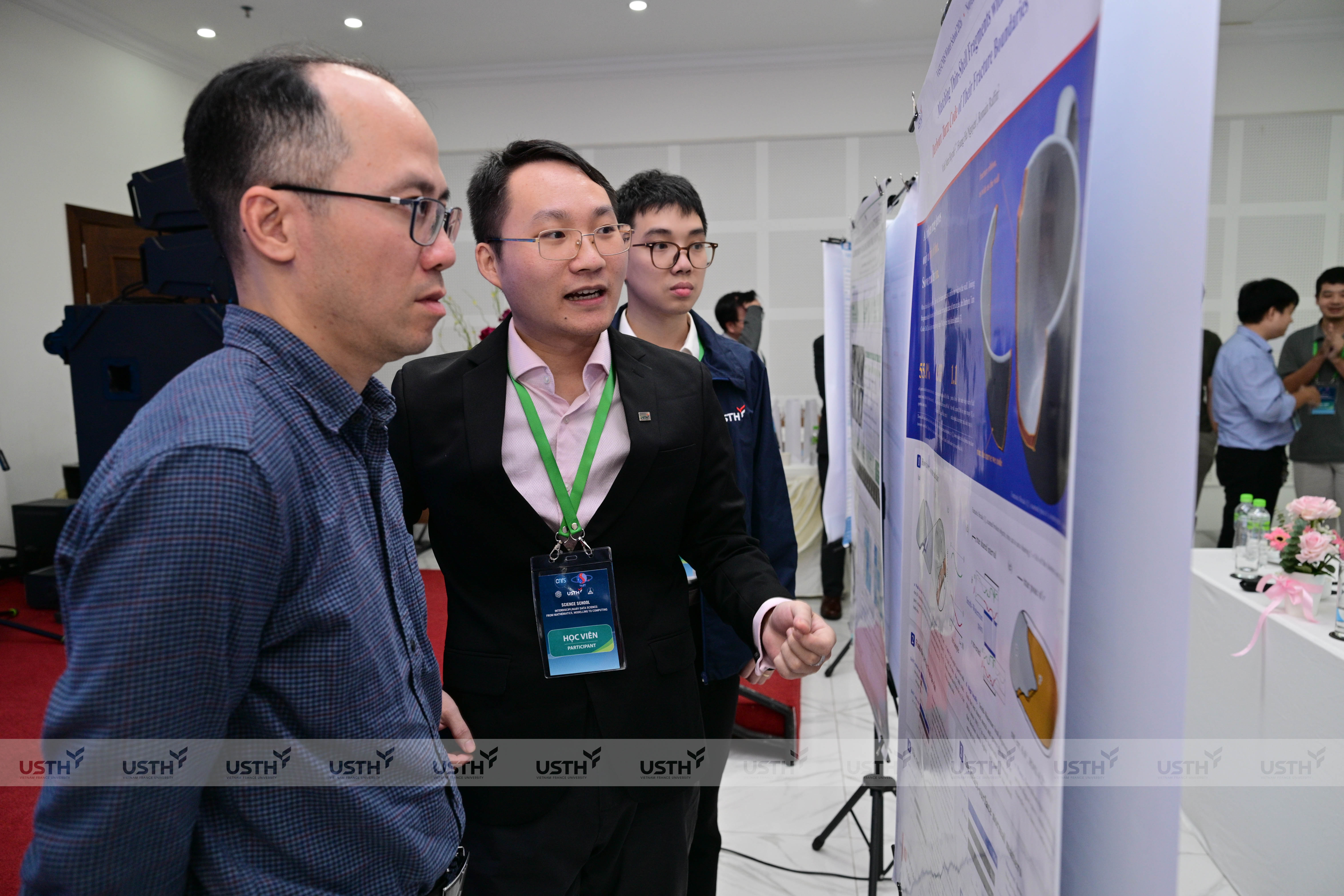
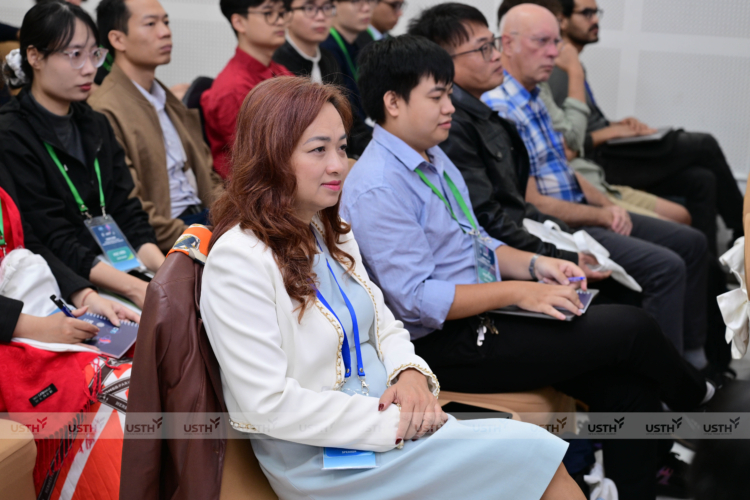
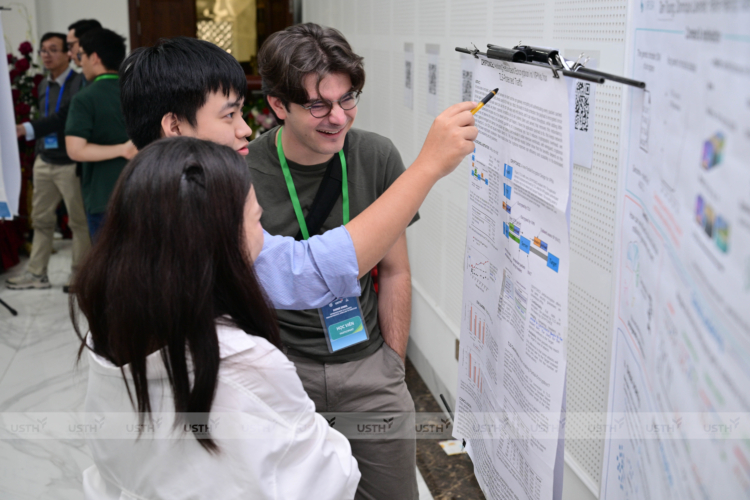
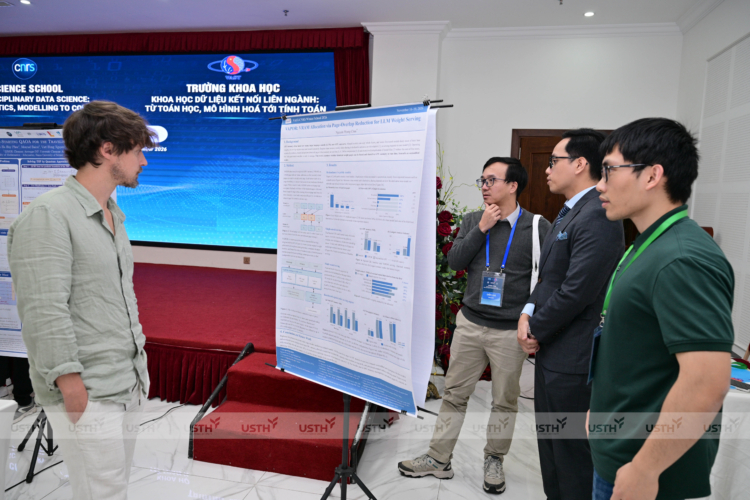
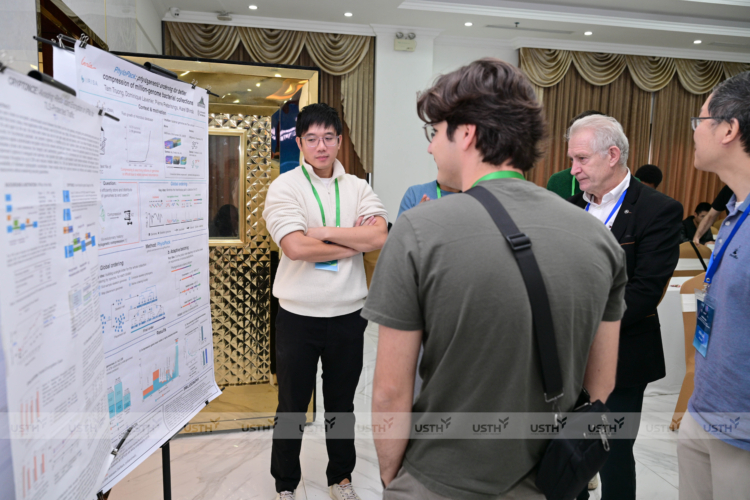
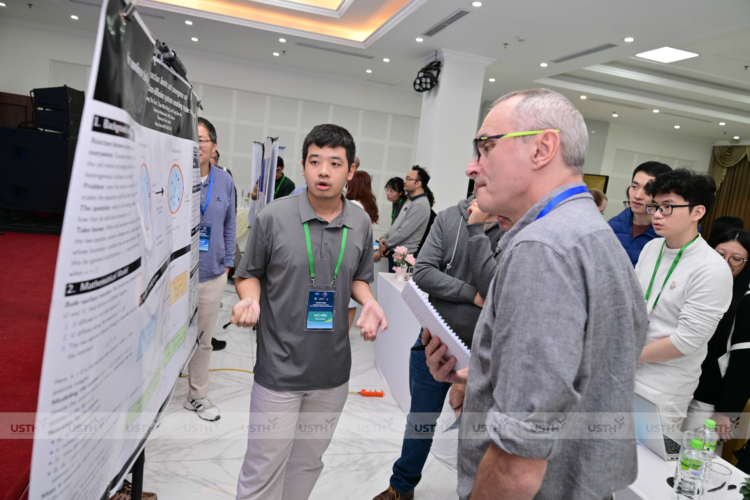
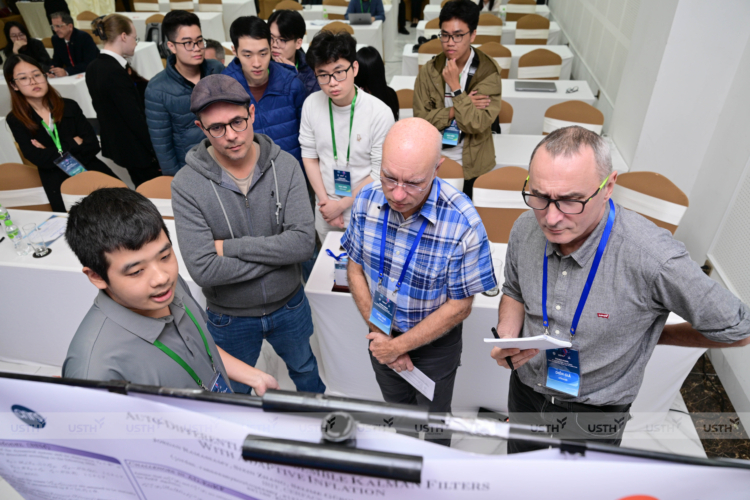
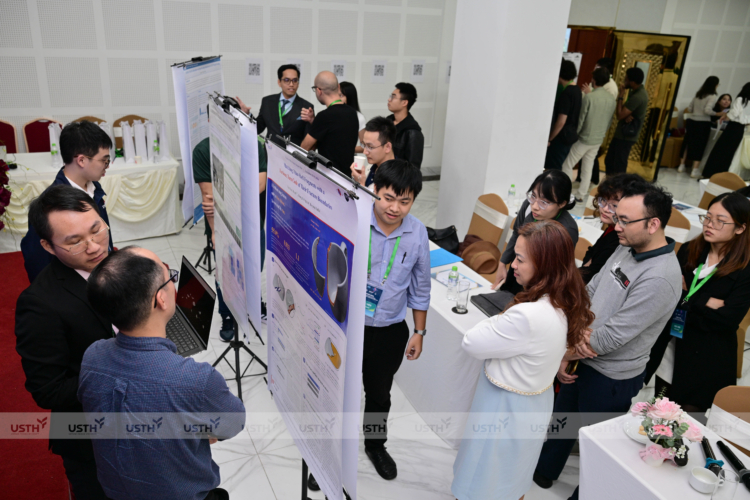
Alongside the main scientific sessions, the program also featured short-talk and poster sessions dedicated to undergraduate students, graduate students, PhD candidates, and young researchers. This provided a valuable opportunity for young scholars to showcase their findings, engage directly with experts, and explore academic collaboration opportunities.
The active participation of USTH lecturers, graduate students, and undergraduate students at the VAST–CNRS Winter School 2026 not only introduced the University’s research outcomes to the domestic and international scientific communities, but also expanded academic exchange in rapidly evolving fields such as data science, artificial intelligence, and scientific computing.