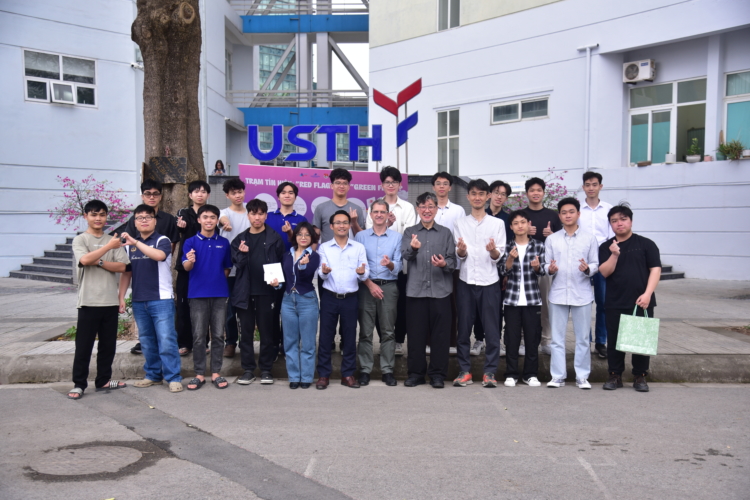
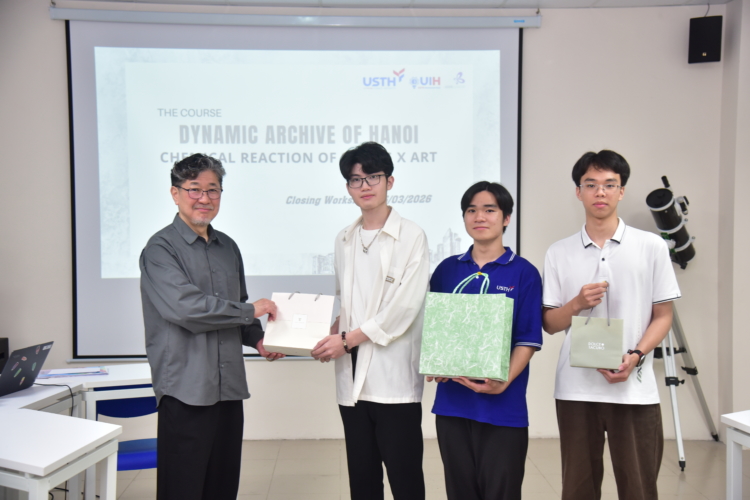
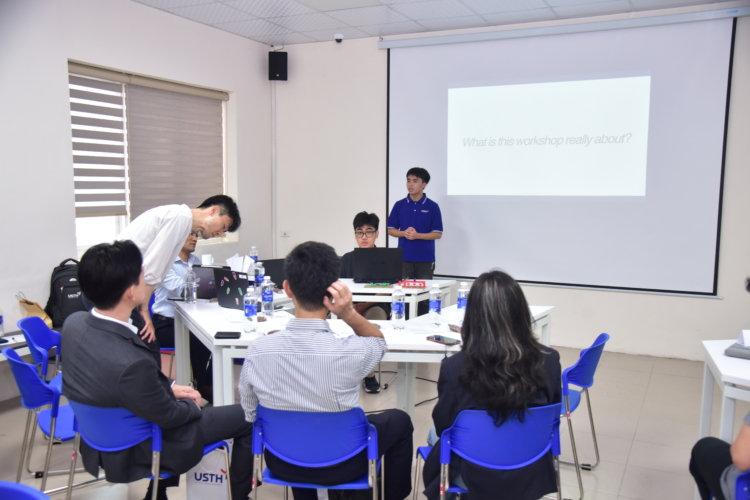
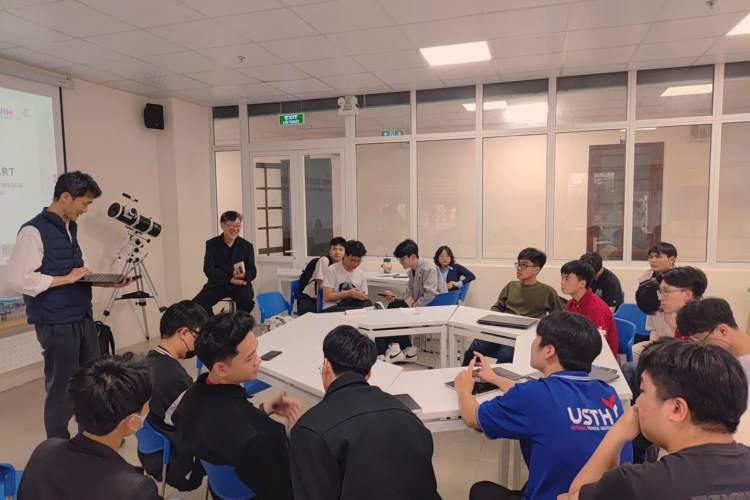
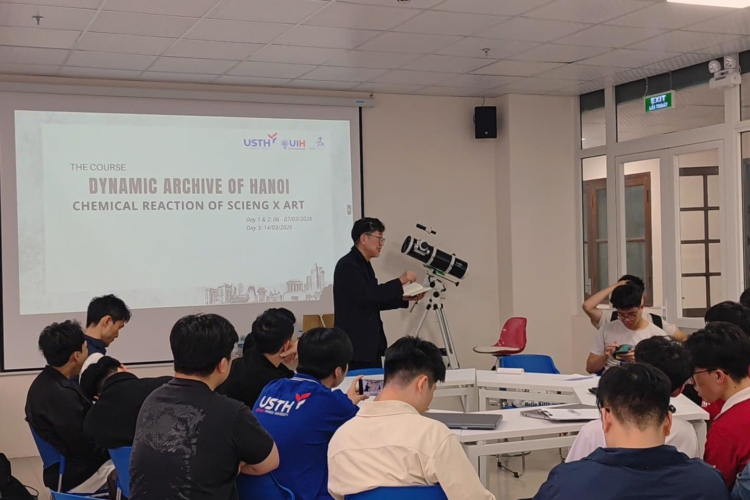
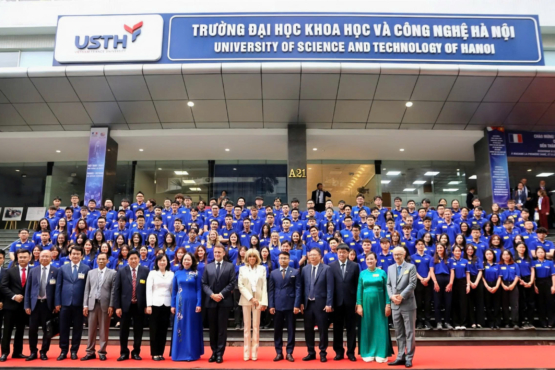
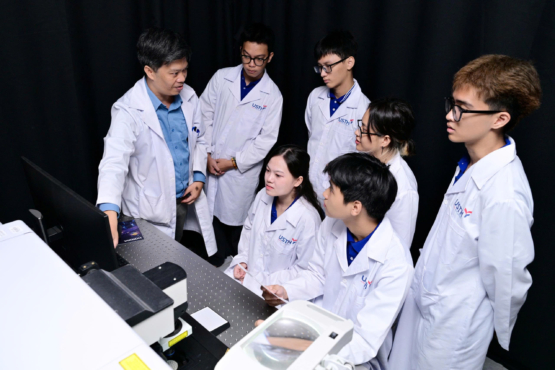
The special course “Dynamic Archive of Hanoi: Chemical Reaction of SciEng x Art”, supported by the Japan Foundation in Vietnam, was held in March 2026, offering students at the University of Science and Technology of Hanoi (USTH) an inspiring interdisciplinary journey that bridged science, engineering, and artistic expression.
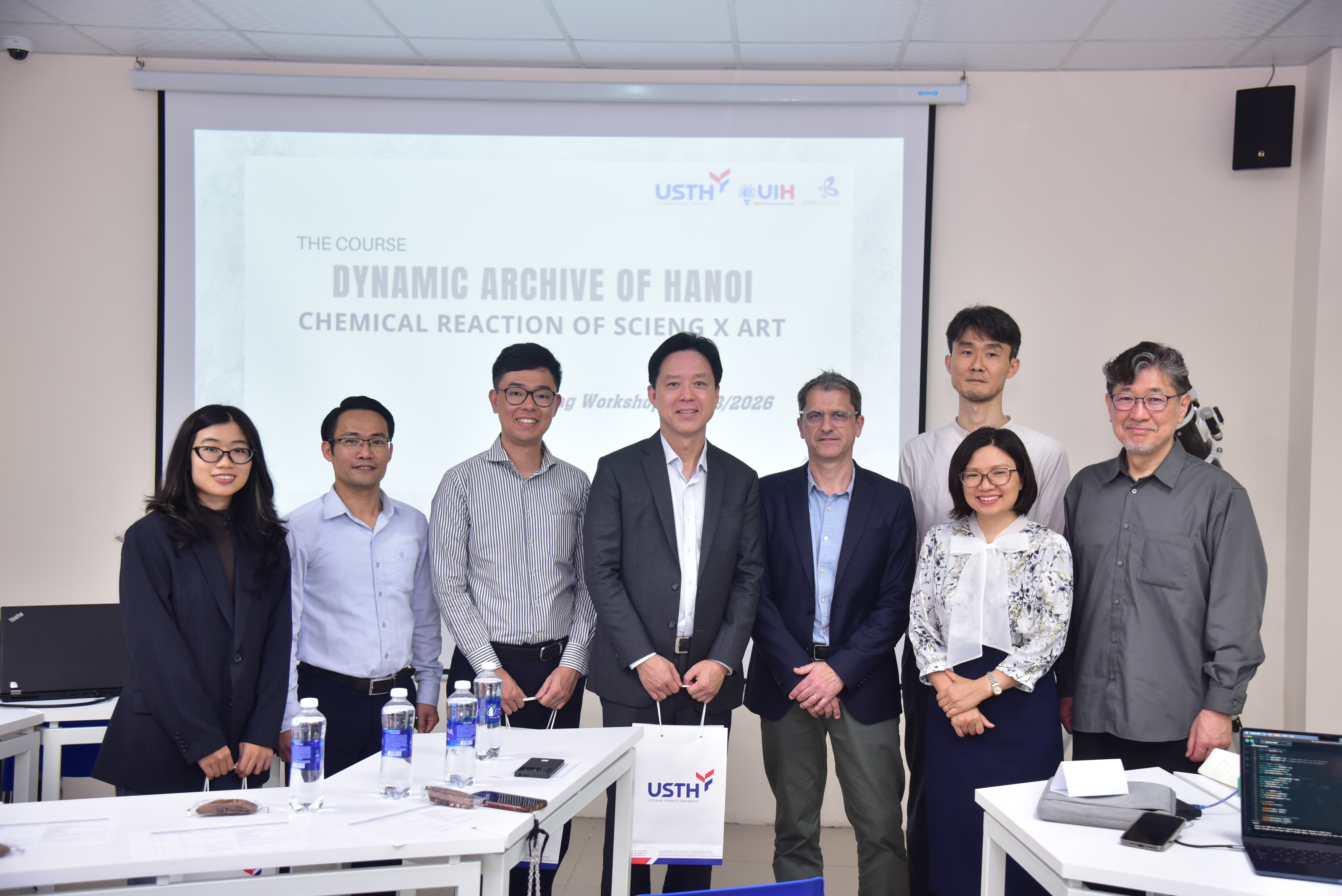
The course was led by two experienced Japanese experts in monozukuri education and the arts:
- Mr. Etsuroh Tetsuya – Professor at Tokyo Gakugei University and Vice President of the non-profit organization Institute for Children’s Future
- Mr. Yuta Kikawada – Architect and researcher at Tokyo Gakugei University.
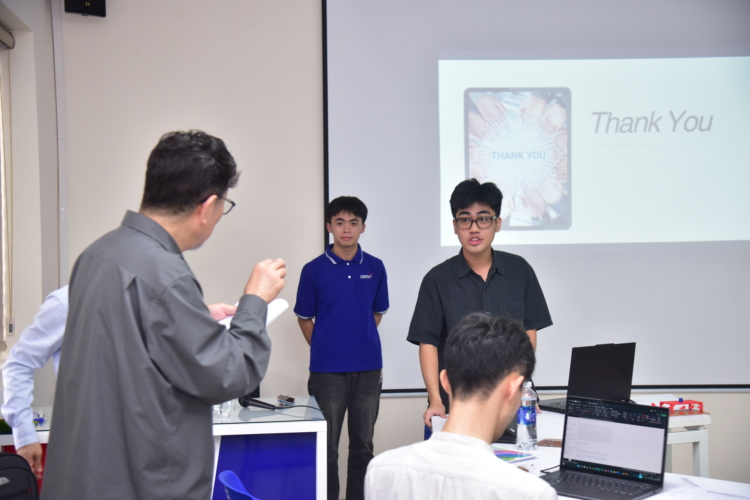
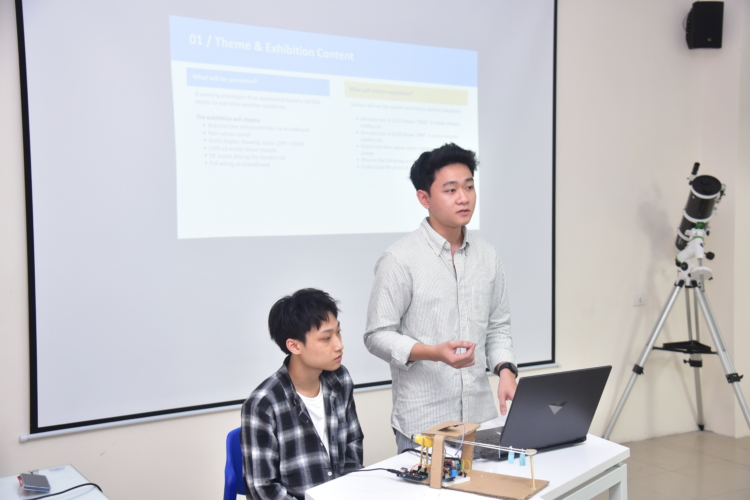
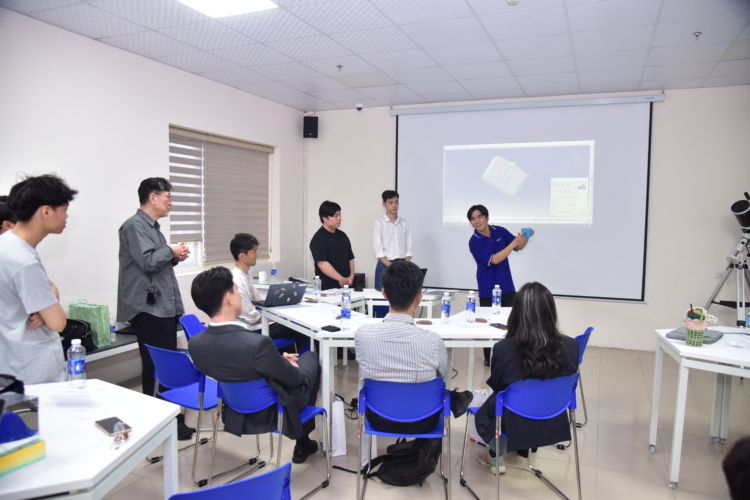
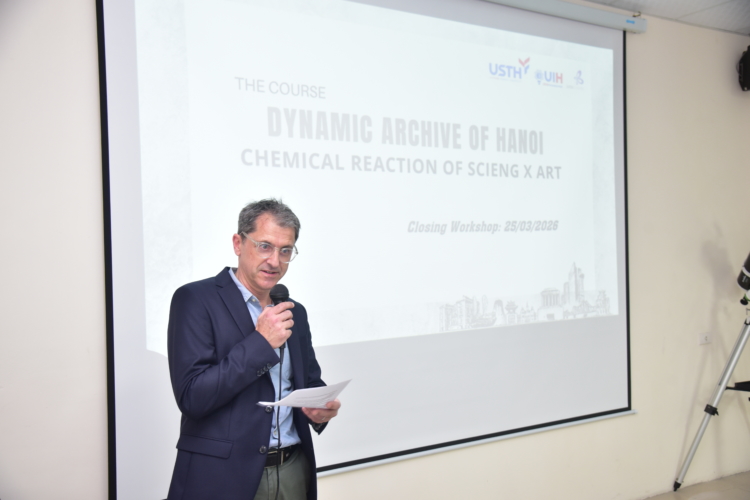
At the “Harvesting Day” closing session on March 25, 2026, Mr. Yoshiaka Norihiko, Director of The Japan Cultural Exchange Center in Vietnam, shared that the course not only produced impressive creative outcomes but also clearly demonstrated USTH students’ proactive learning spirit and interdisciplinary connectivity.
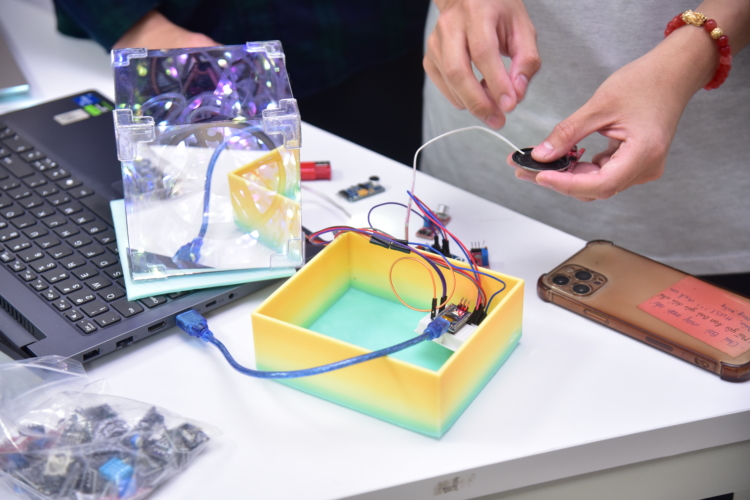
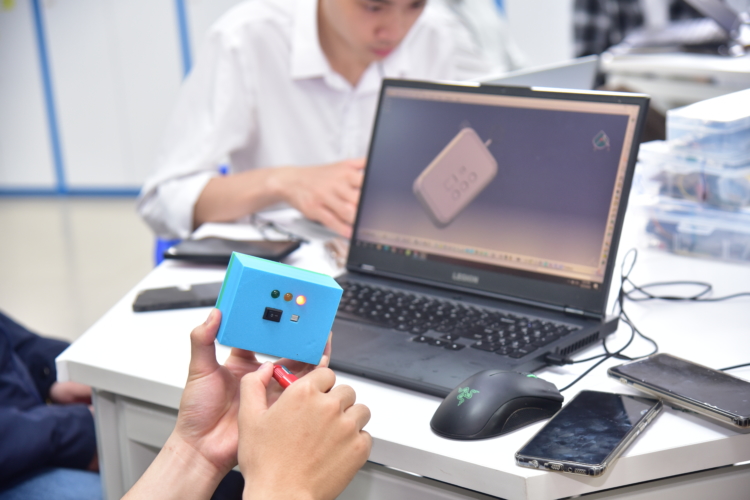
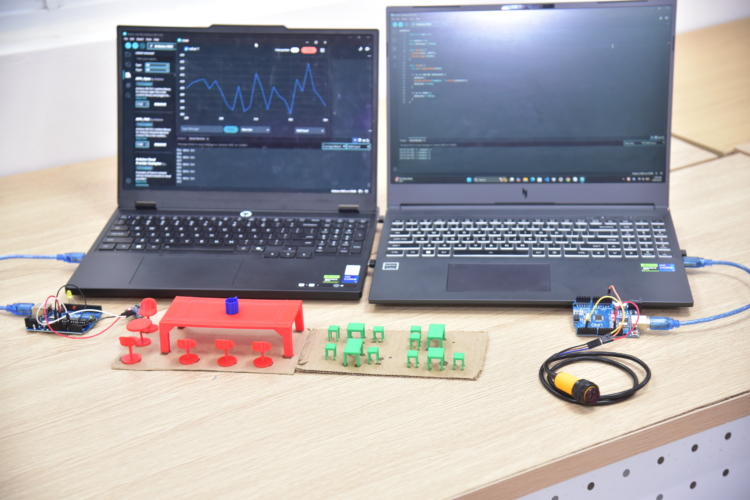
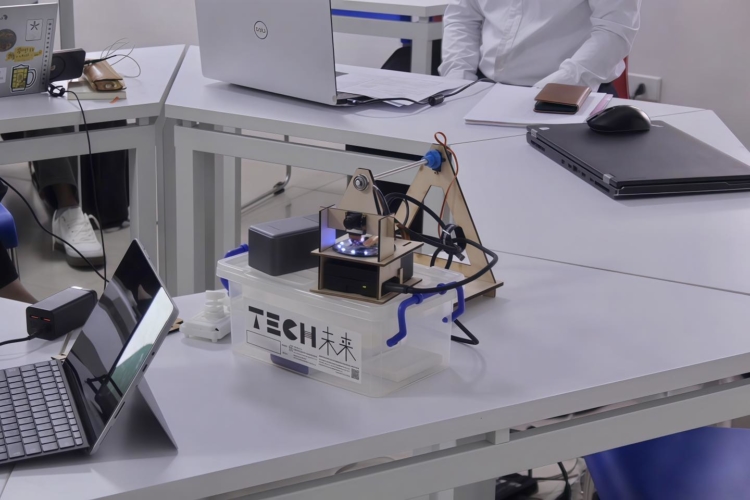
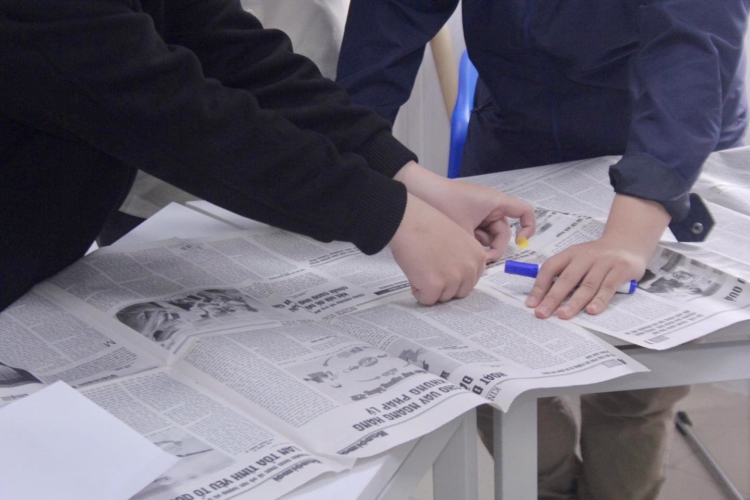
Throughout the program, students collaborated in teams under the guidance of mentors, developing ideas rooted in real-life contexts in Hanoi and progressively bringing them to fruition at USTH’s FABLAB and co-working space—where concepts evolved beyond ideas into tangible outcomes through testing, prototyping, and refinement using advanced fabrication technologies.
Starting from simple things in life, each team systematically developed and completed their projects. Every product not only demonstrated creativity but also reflected interdisciplinary thinking and practical applicability; each project conveyed a compelling narrative centered on the connection between science and real-life contexts.
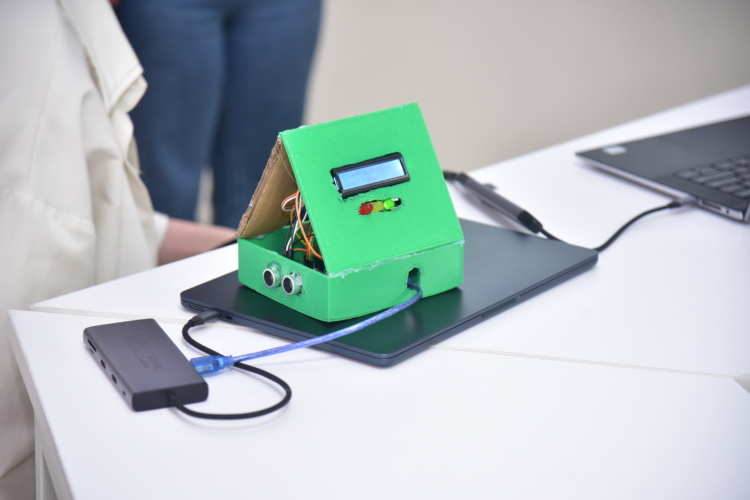
Notably, the organizing committee selected three outstanding projects based on innovation, level of completion, and community impact:
- Project 1: Speed Detector Model using Ultrasonic Sensors
- Project 2: Portable Air Quality Detector
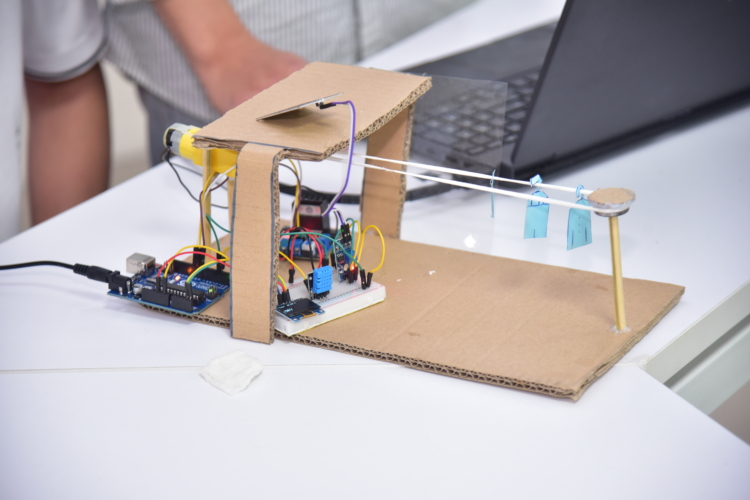
- Project 3: Auto Laundry Sensor System
More than just a course, this program functioned as a true “creative sandbox”—an environment where students learned to think critically, experiment, and integrate knowledge across disciplines.
USTH will continue to expand such spaces and programs to foster innovation and strengthen problem-solving capabilities for students.