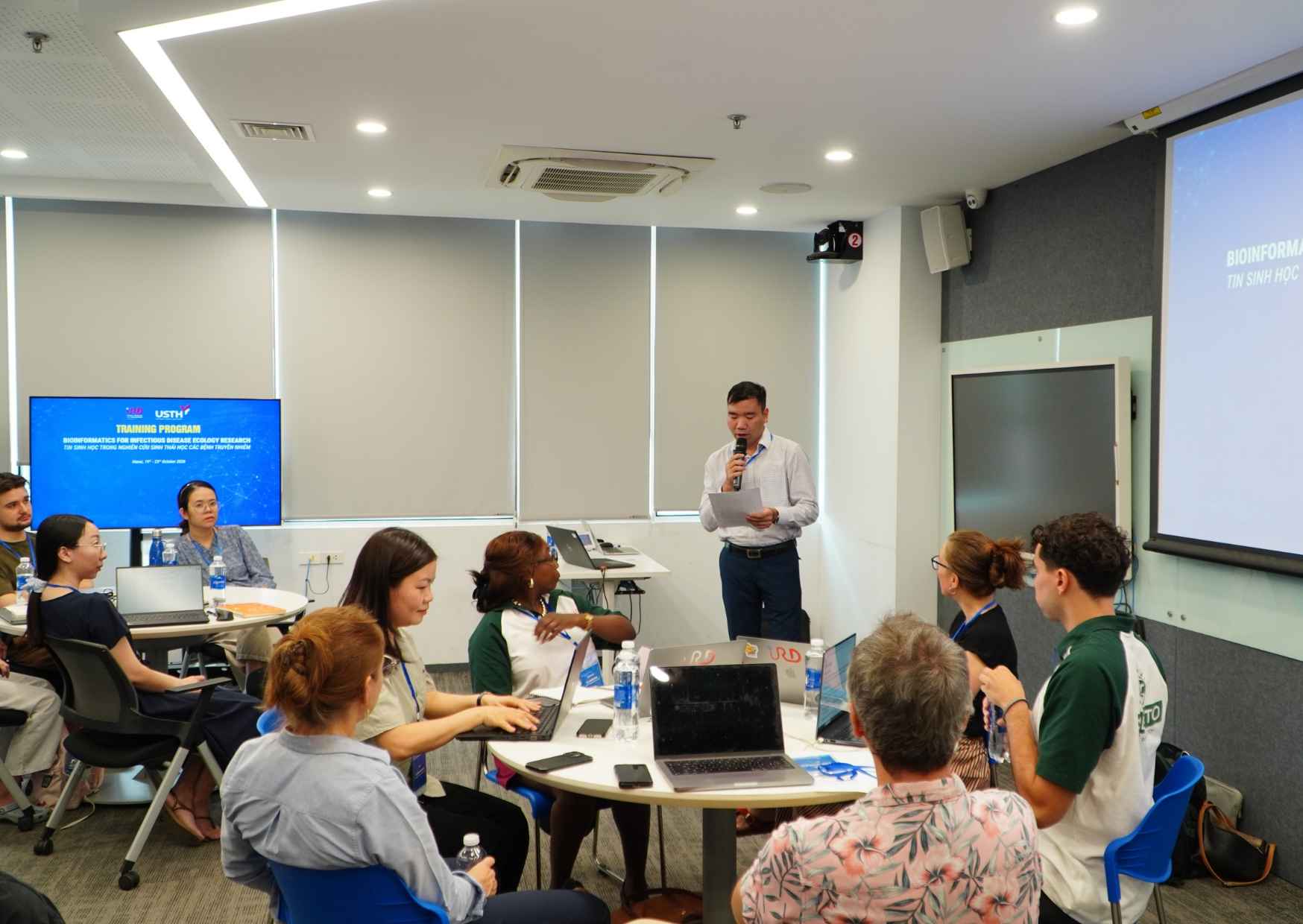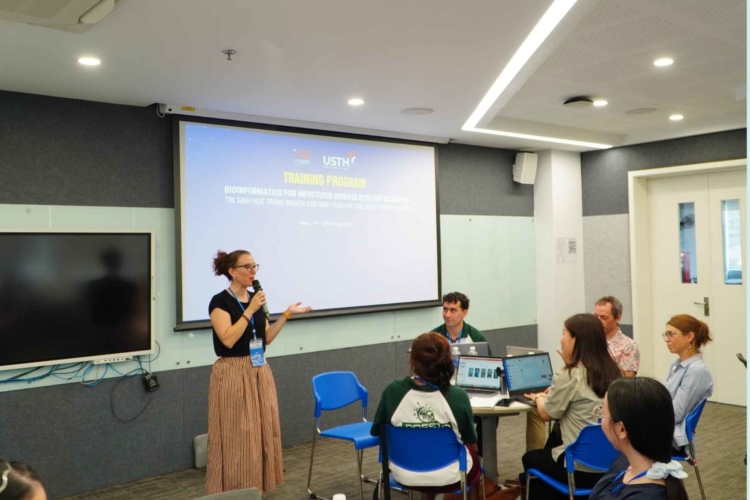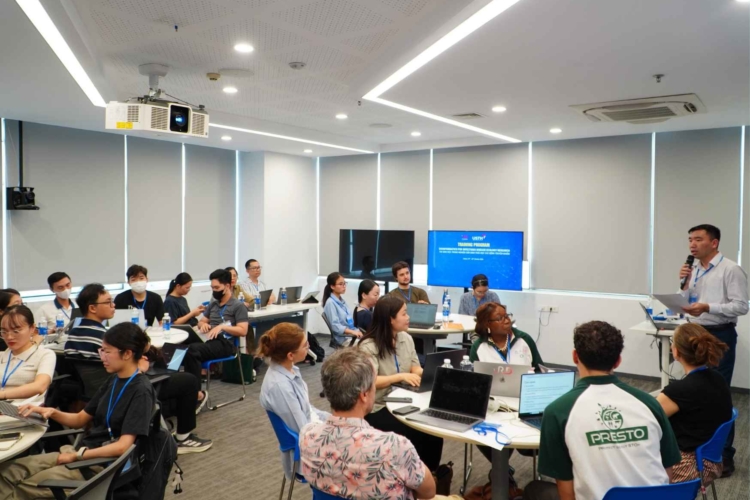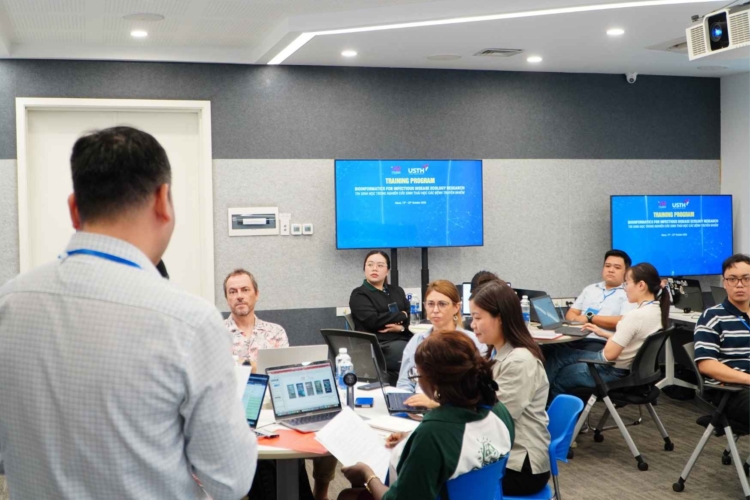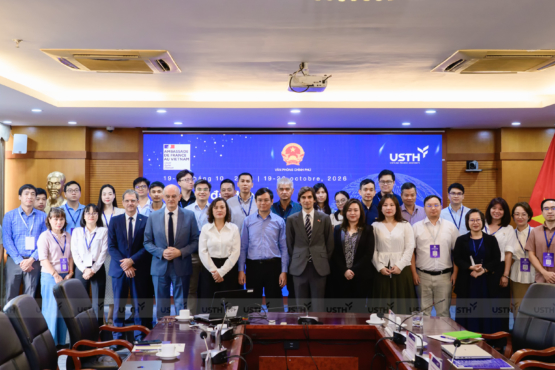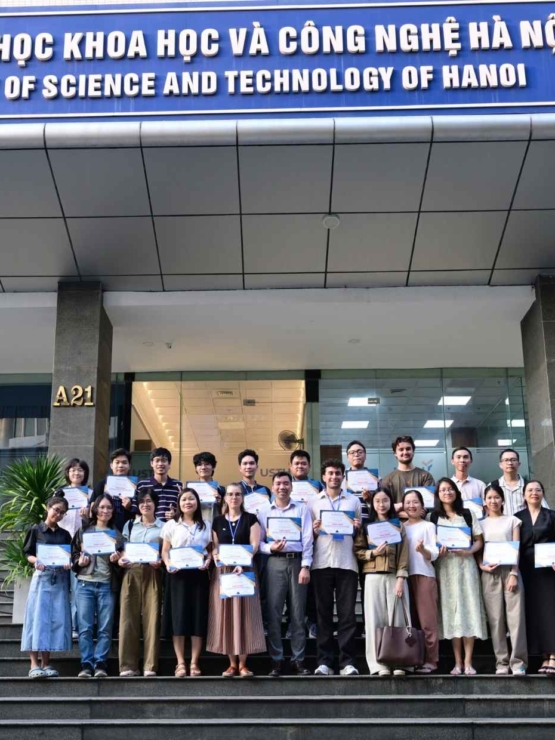
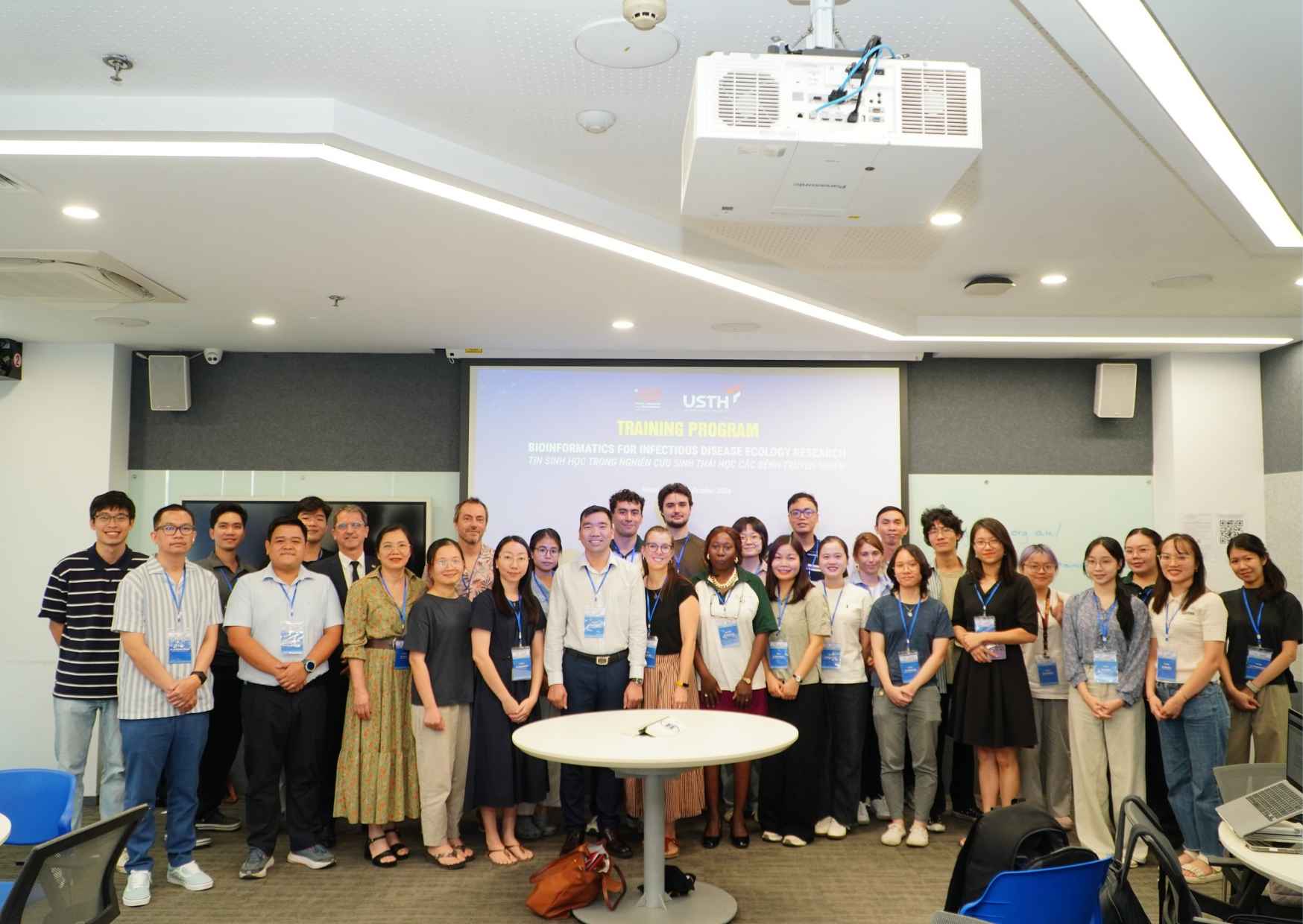
From October 19 to 23, 2026, the Department of Life Sciences at the University of Science and Technology of Hanoi (USTH) in collaboration with Institut de Recherche pour le Développement (IRD) in Montpellier, France organized the training course “Bioinformatics for Infectious Disease Ecology Research” aiming to strengthen research capacity among students, researchers, and early-career lecturers across Southeast Asia.The program brought together 20 participants from universities, research institutes and scientific organizations across Vietnam, Laos, Thailand and Cambodia.
Exploring Modern Bioinformatics Analysis Methods
Over five days, participants learned from and exchanged ideas with lecturers and experts from Vietnam and abroad.
The teaching team brought together international experts from France and across Southeast Asia, including Dr. Juliette Hayer and Dr. Jacques Dainat from IRD, Montpellier, France; Dr. Mathis Arnal from PRESTO – MIVEGEC, IRD, Chiang Mai University; Dr. Praveen Rahi from the Institut Pasteur du Cambodge; Dr. Jean-Christophe Auguet from Joint Research Unit (UMR), Marine Biodiversity, Exploitation and Conservation (MARBEC), University of Montpellier, the French National Centre for Scientific Research (CNRS); and Dr. Tran Thị Thanh Tam, lecturer at Department of Life Sciences, USTH.
In addition to the teaching team, the programme was also attended by distinguished guests, including Dr. Dorothée Missé, Co-Director of the PRESTO International Joint Laboratory (LMI PRESTO), IRD; Dr. Sylvain Ouillon, Representative of IRD in Vietnam; Professor Patrice Estellé, Director of Department of Research and International Affairs at USTH; and Associate Professor Nguyễn Quang Huy, Deputy Director of the Department of Life Sciences, USTH
Through lectures, hands-on sessions and discussions held both in person and online, the experts shared their research experience, introduced participants to bioinformatics analysis tools and broadened their understanding of how bioinformatics can support research in microbiology, infectious diseases, health and the environment.
Working with bacterial whole-genome sequencing data, participants gradually explored key bioinformatics workflows, including data quality control, genome assembly and annotation, the identification of antimicrobial resistance genes and virulence factors, and comparative genomics. The program also covered the principles, workflows and bioinformatic methods used in metagenomics, including 16S rRNA gene-based metabarcoding and shotgun metagenomics.
Hands-on activities with bioinformatics tools allowed participants to practise data processing and analysis, assess microbial diversity and visualize their results. These exercises strengthened their ability to extract and interpret information from biological datasets for research in microbiology and infectious diseases.
Hands-on Analysis of Real-World Data
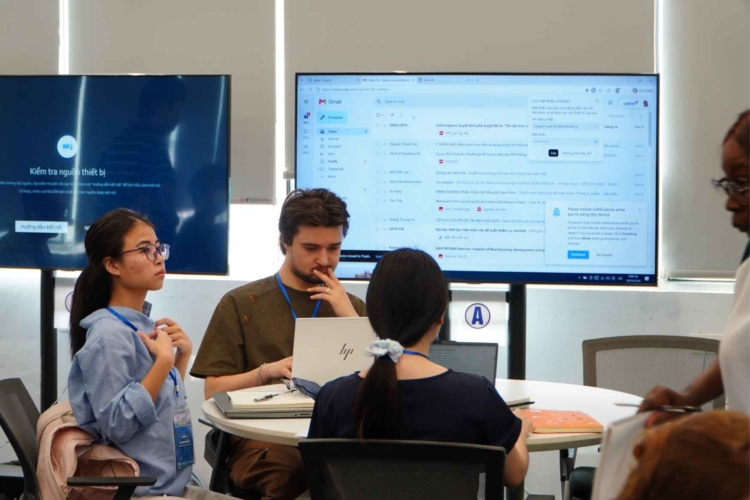
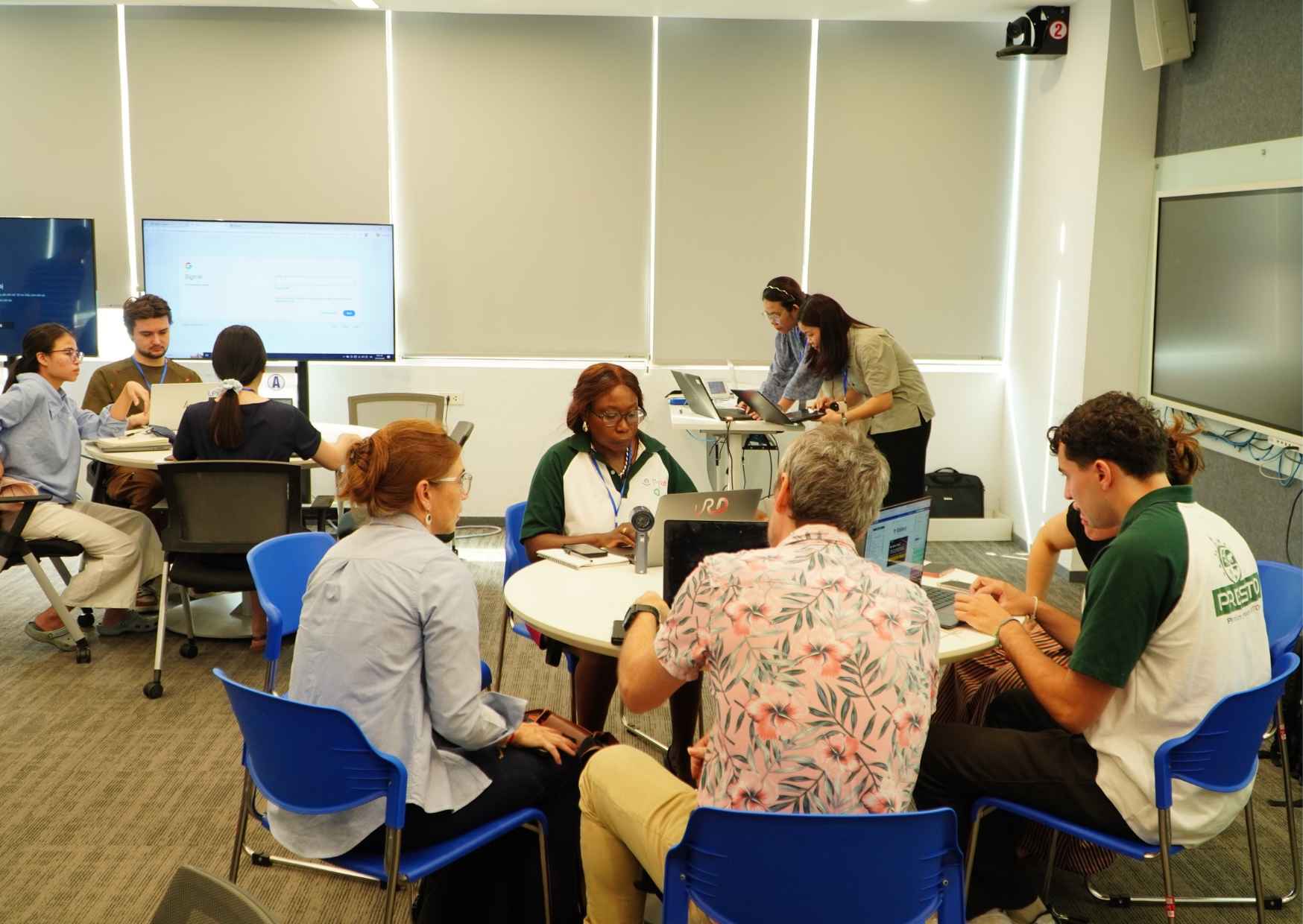
Most of the course was devoted to practical work with real-world datasets and bioinformatics tools. Using the Galaxy platform and widely adopted bioinformatic workflows, participants processed data themselves, followed each stage of the analysis and discussed emerging issues directly with the instructors.
Screens crowded with sequences, data tables and visualizations gradually became more familiar with each session as participants examined, discussed and interpreted their results in the classroom. Continuous guidance from the expert team also helped them better understand how to select appropriate tools, assess the reliability of analytical results and address common challenges when working with biological data.
Strengthening Connections Across the Research Community
The program created an open academic environment where researchers, lecturers and participants from different disciplines, institutions and countries could exchange knowledge and experience. Questions often continued beyond the practical sessions, while opendiscussions of research experience fostered further opportunities for networking and collaboration in bioinformatics, microbiology and infectious disease research.
Alongside the theoretical and practical components, the discussion sessions introduced a range of interdisciplinary perspectives, highlighting the growing role of data and technology in addressing challenges related to health, the environment and ecosystems.
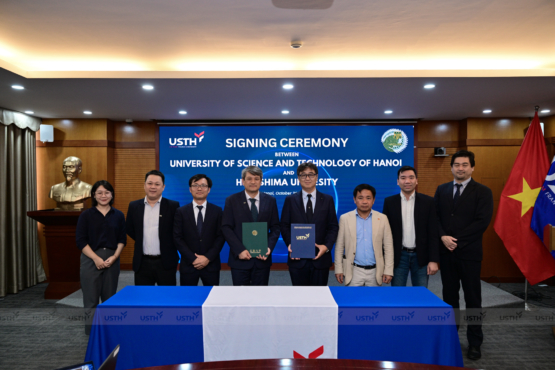
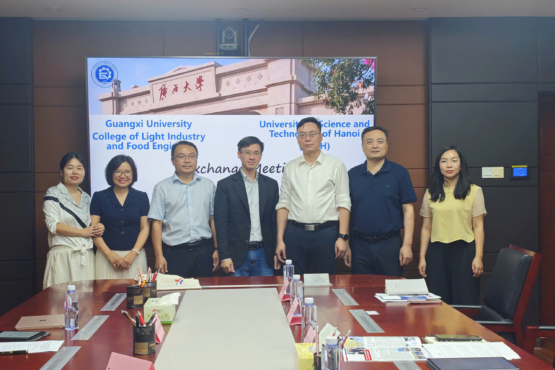
After an intensive week, participants left the course with additional knowledge, bioinformatictools and practical experience to support their future studies and research. The program also strengthened USTH’s connections with universities, research institutes and scientific communities across the region, laying the groundwork for future academic exchanges and professional collaboration.