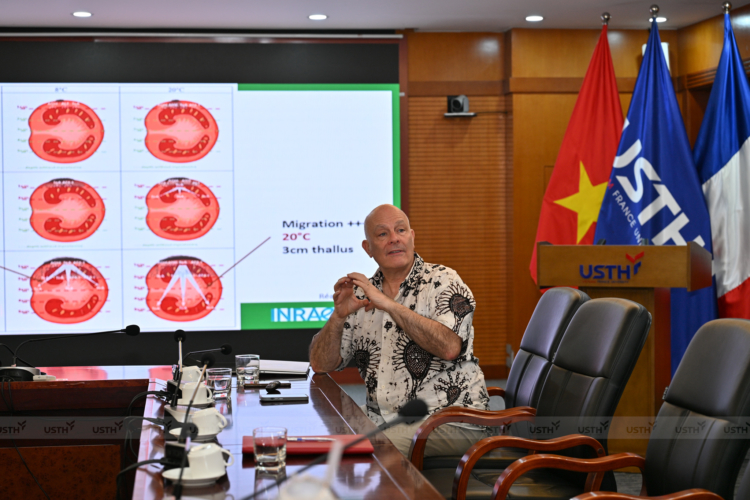
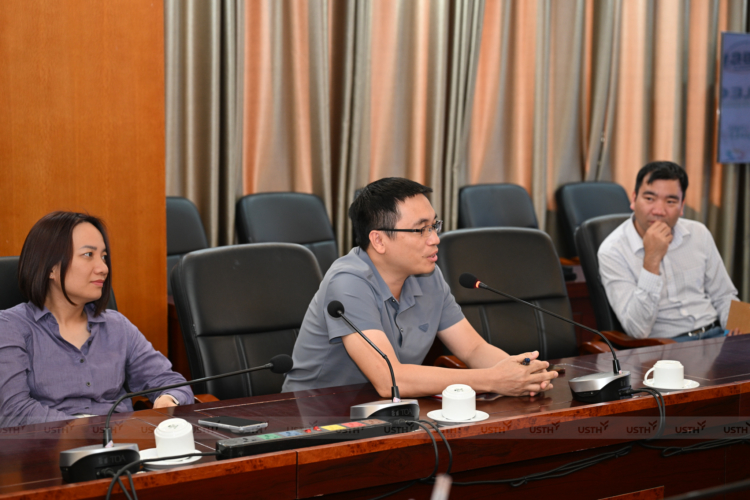
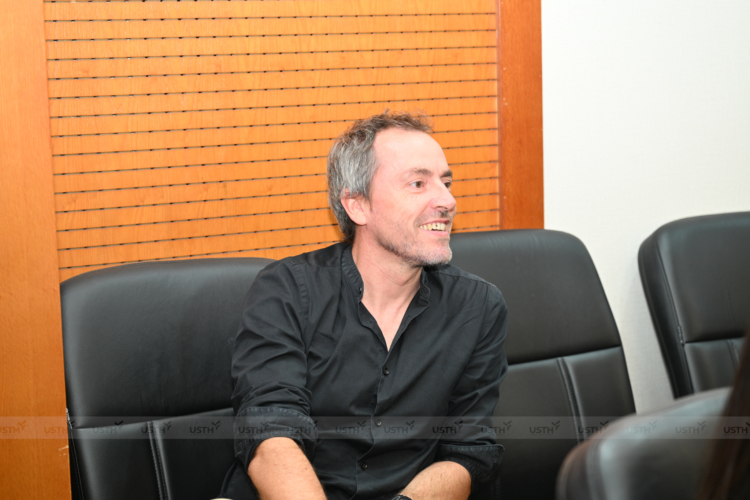
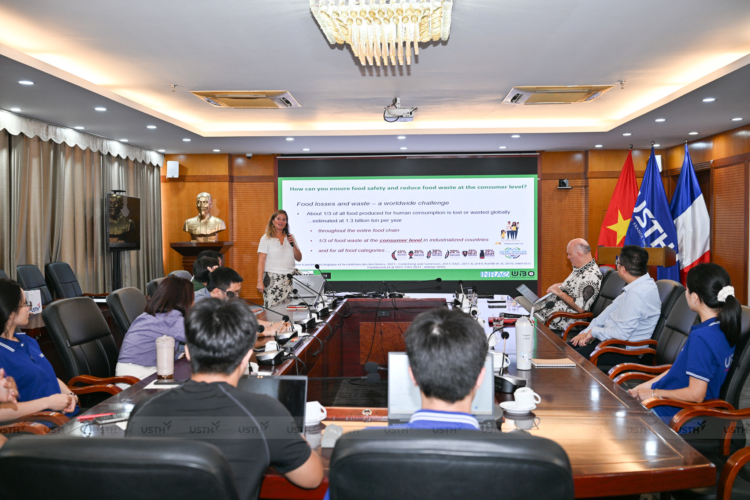
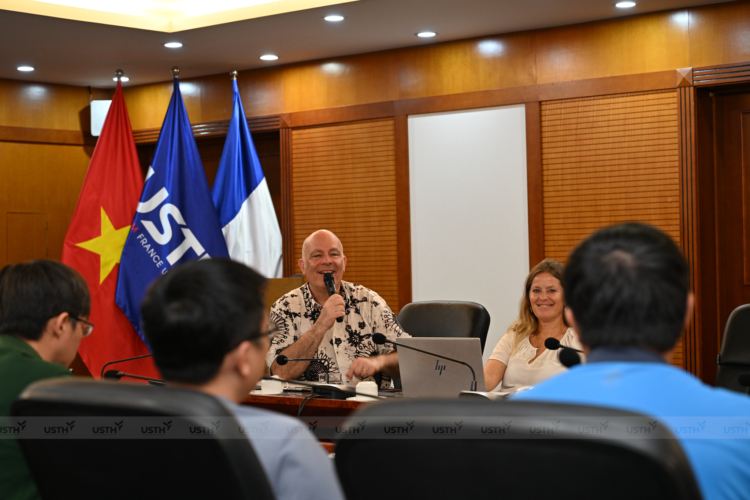
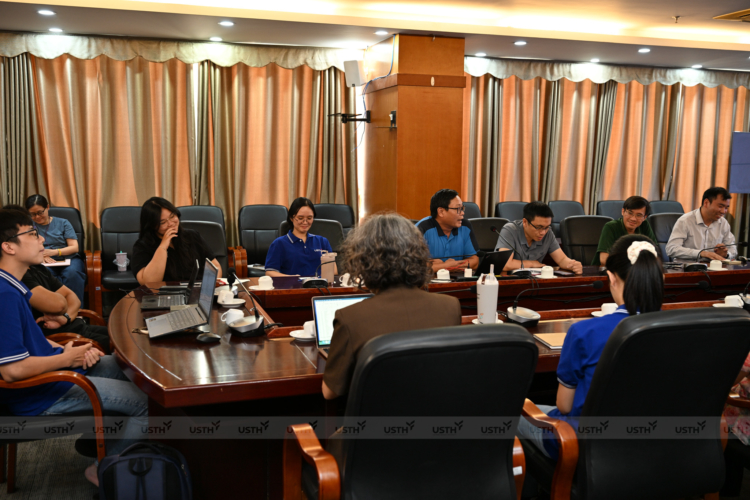
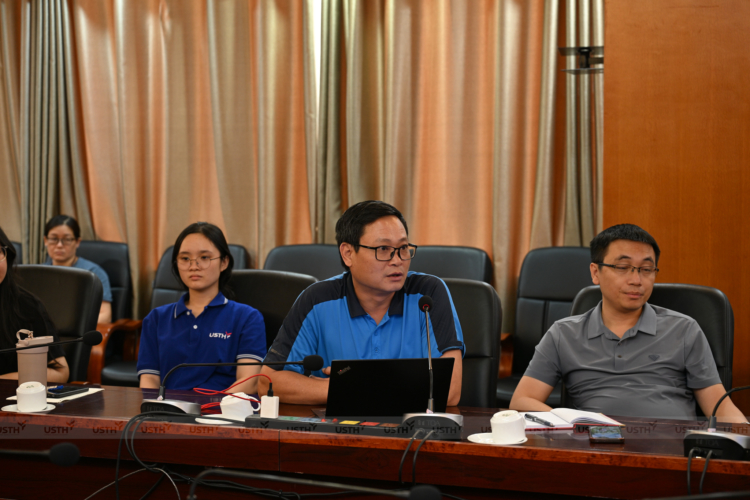
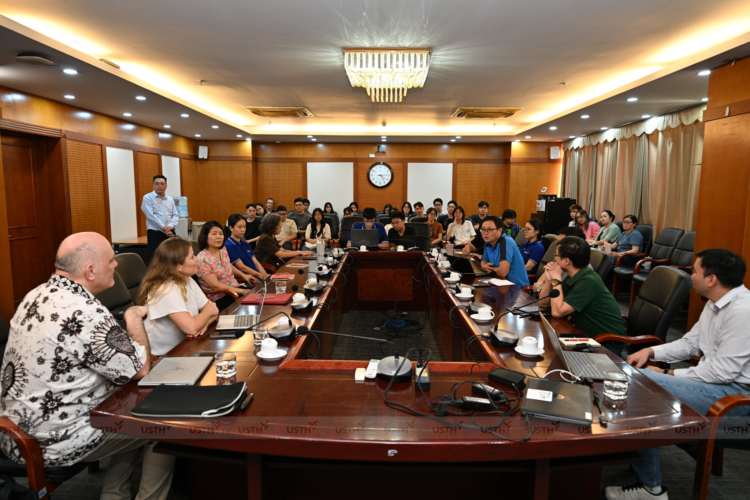
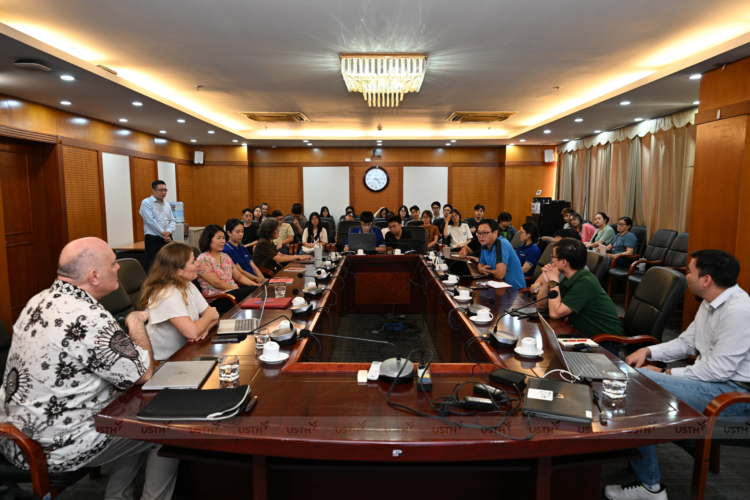
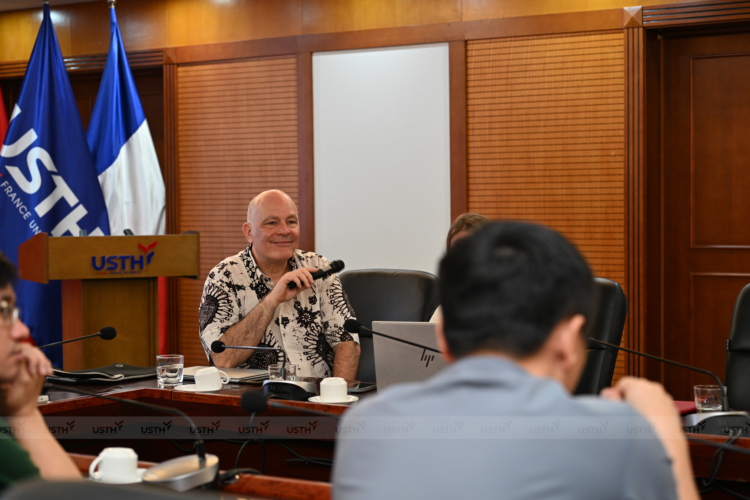
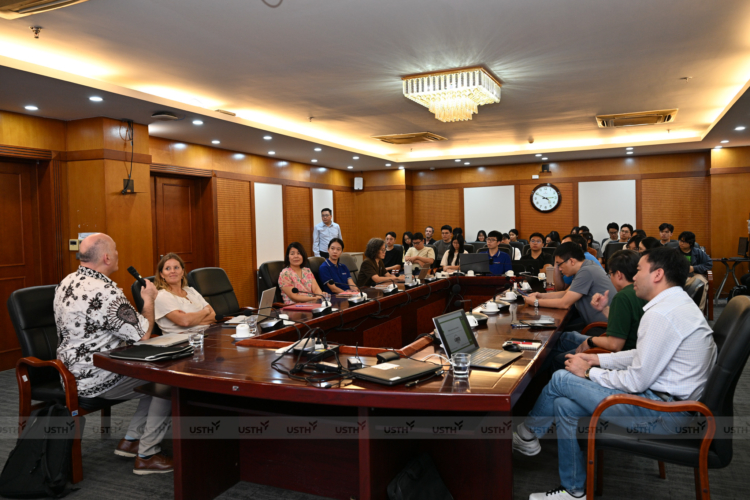
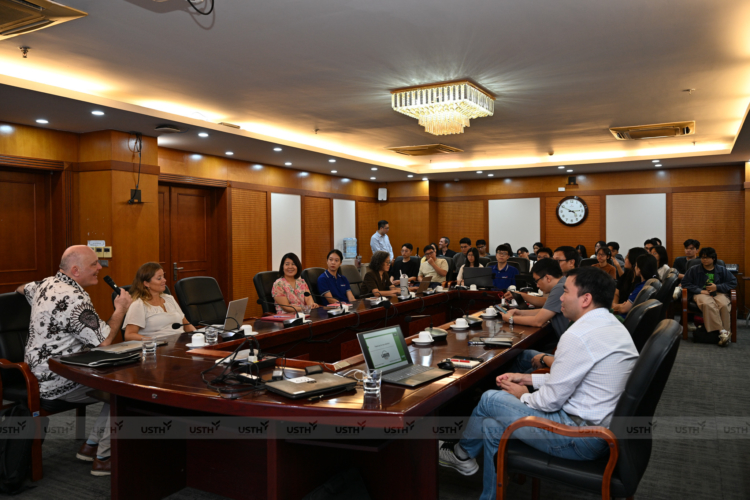
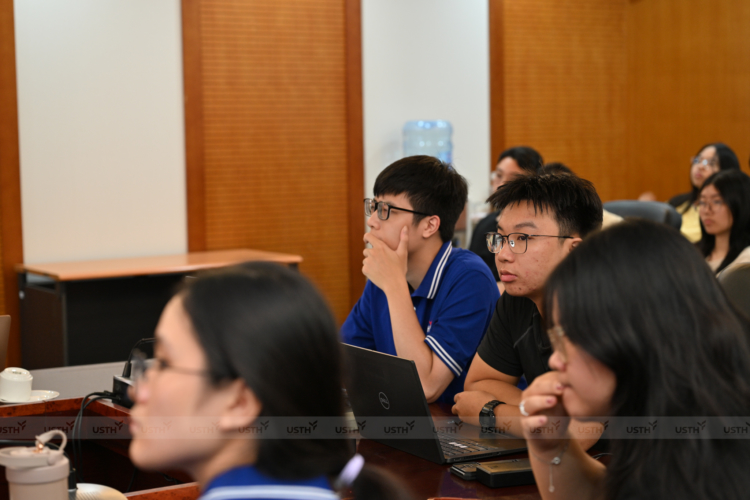
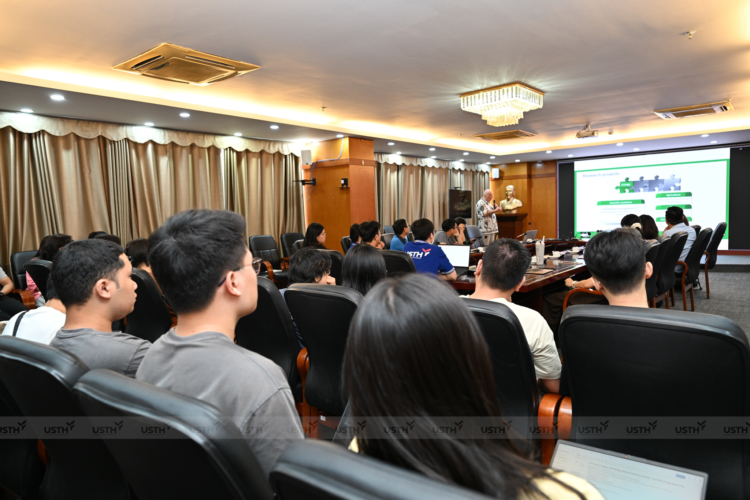
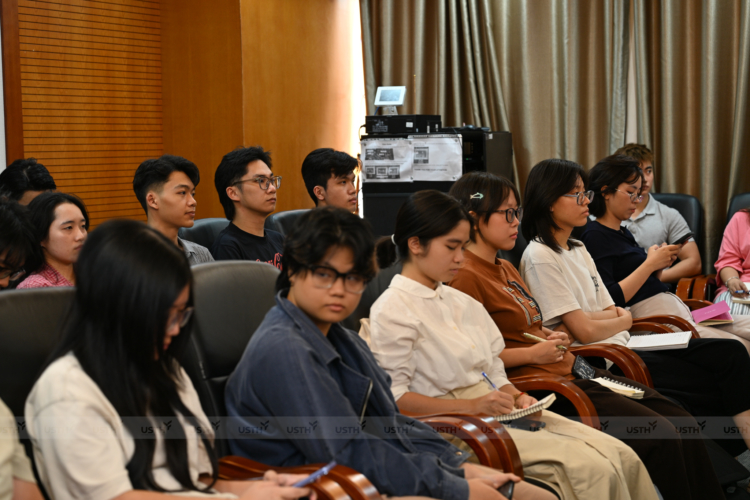
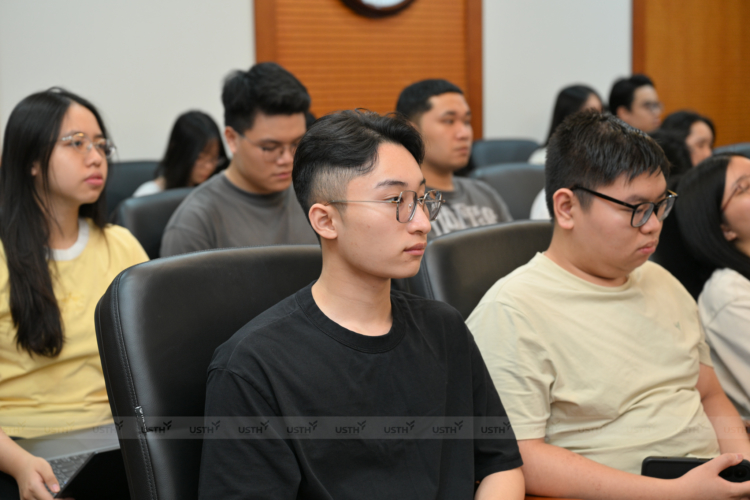
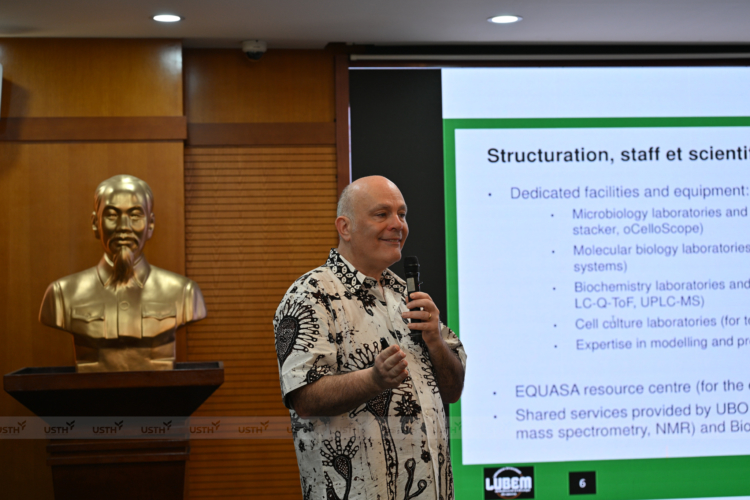
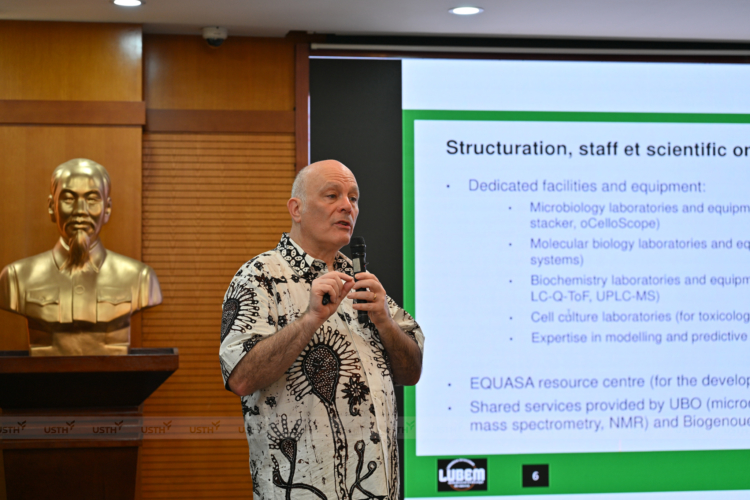
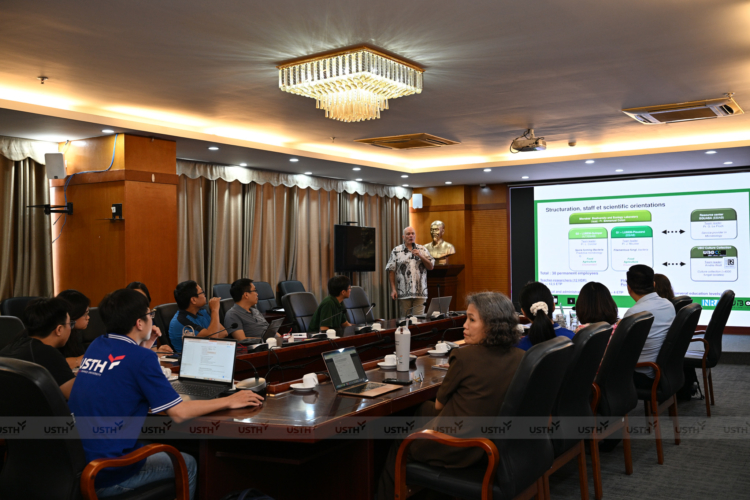
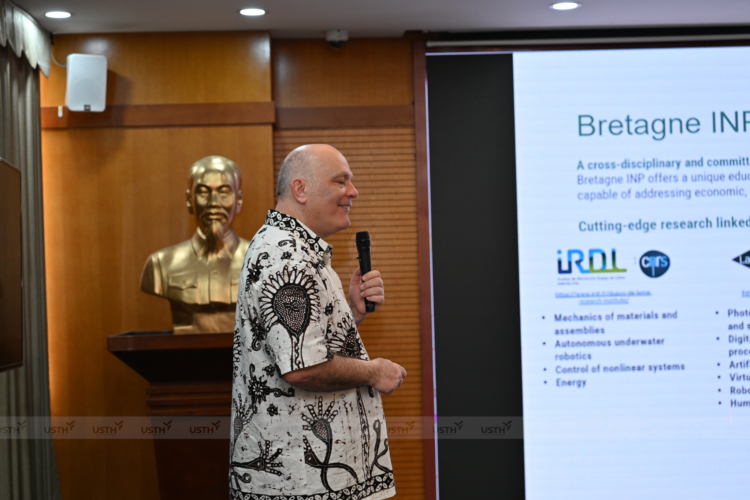
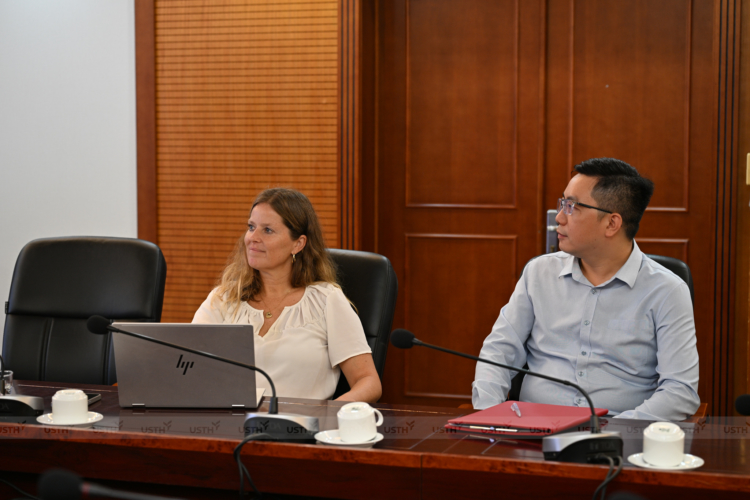
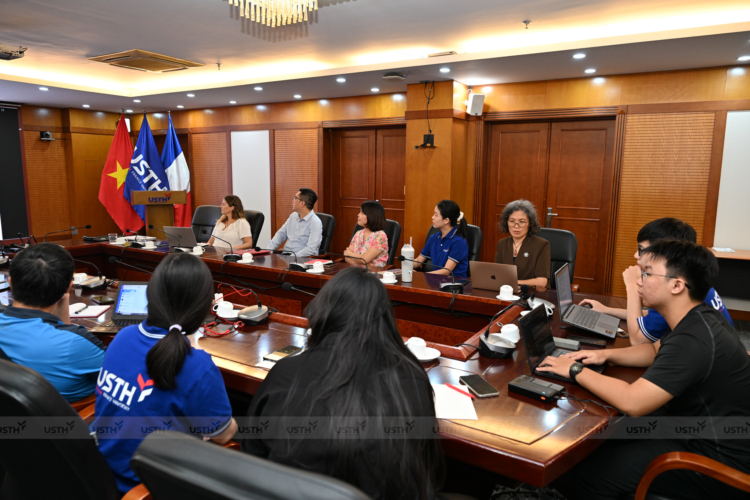
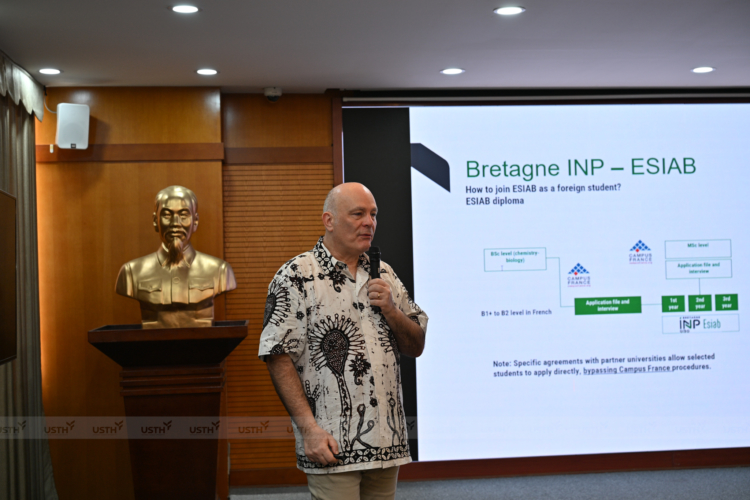
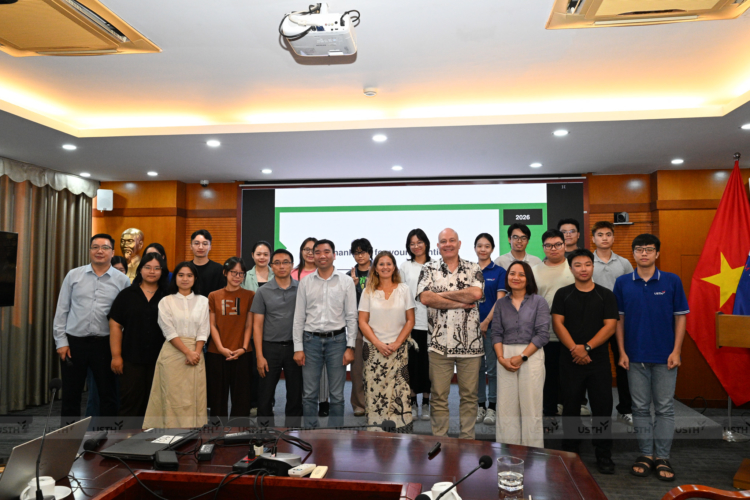
On the afternoon of November 4, 2026, the Department of Food Science and Technology (FST), Department of Life Sciences at the University of Science and Technology of Hanoi (USTH) organized a scientific seminar featuring Prof. Emmanuel Coton, Director of the University Laboratory of Biodiversity and Microbial Ecology (LUBEM), and Prof. Monika Coton, Professor at LUBEM and Academic Coordinator for Microbiology and Food Quality at the École supérieure d’ingénieurs en agroalimentaire de Bretagne atlantique (ESIAB), Bretagne INP, France. Both speakers are internationally recognized scientists in food microbiology and mycology, with widely cited publications and extensive collaborative networks with leading European universities, research institutes, and food industry partners.
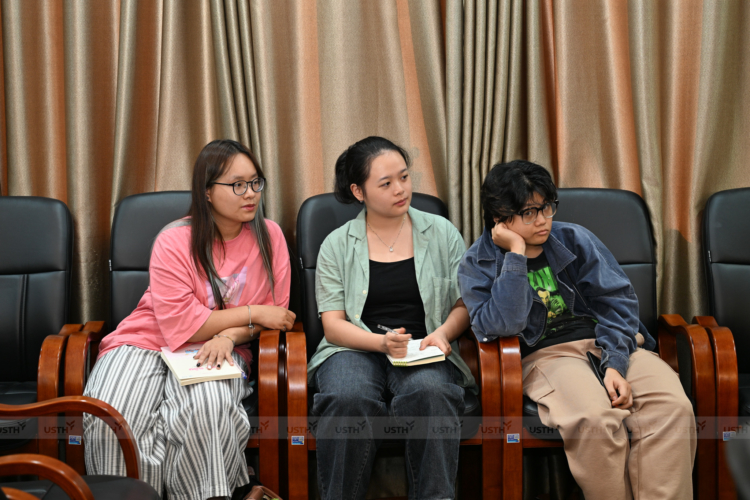
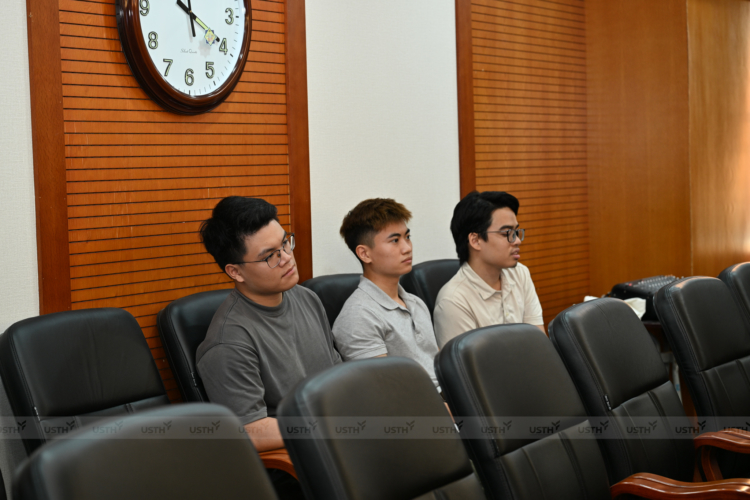
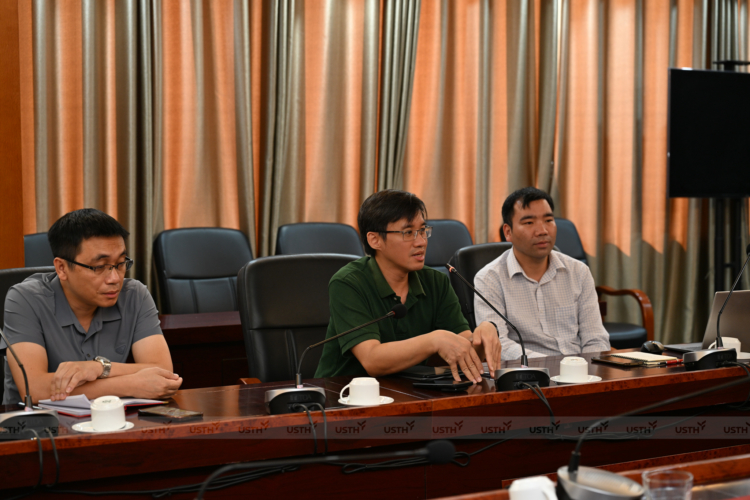
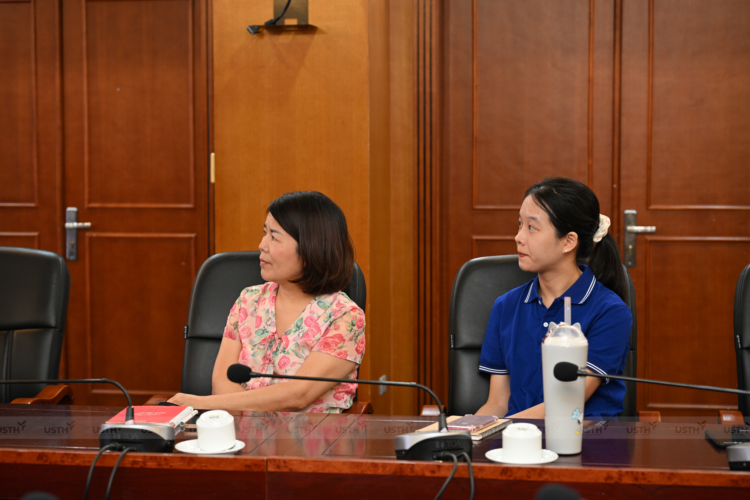
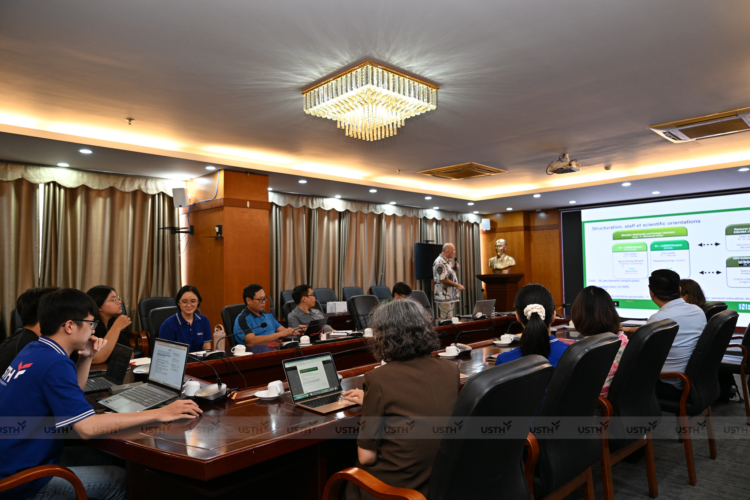
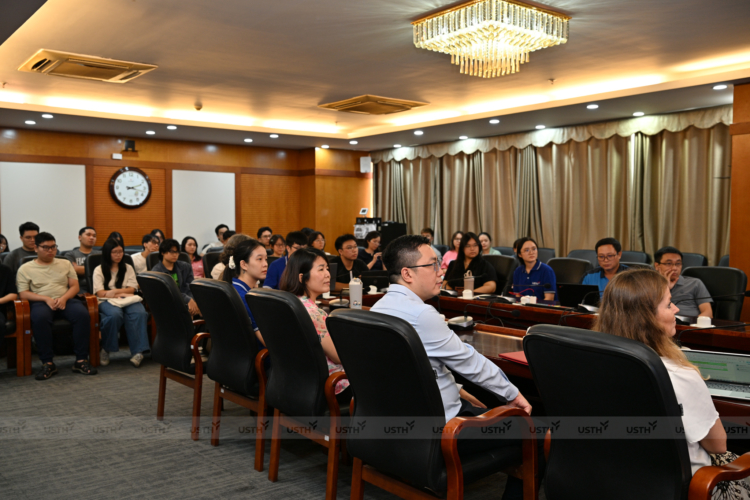
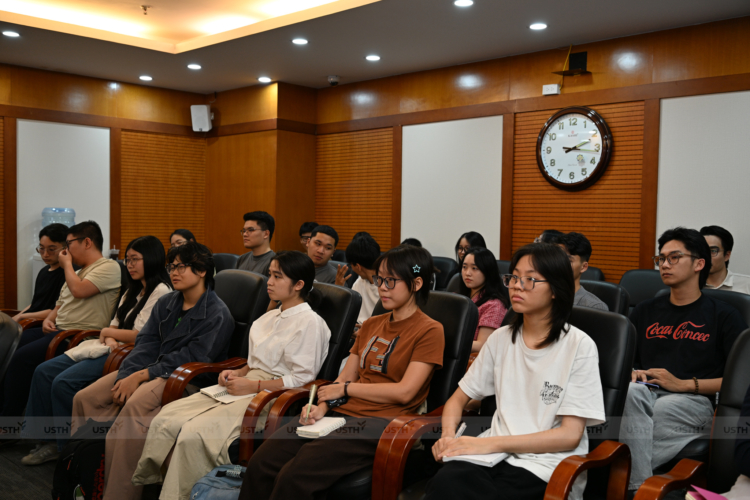
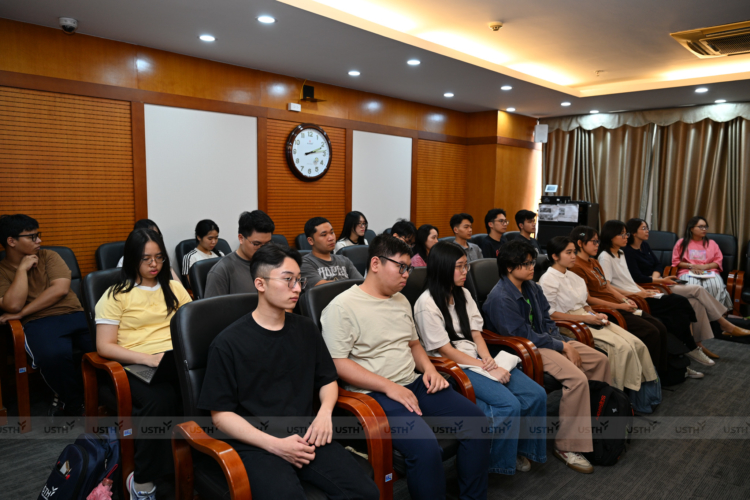
Representing USTH were Assoc. Prof. Dr. Nguyen Hai Dang, Vice Rector and Director of the Department of Life Sciences; Assoc. Prof. Dr. Nguyen Thi Kieu Oanh and Assoc. Prof. Dr. Nguyen Quang Huy – Deputy Director of Department of Life Sciences ; and Ms. Do Thi Thuy Trang from the Department of Research, Innovation and Affairs (DRIA). The seminar was attended by a large audience of lecturers and students from the Food Science and Technology program, the Department of Life Sciences, and master’s students from the Food Safety and Quality Assurance (FSQA) program. The event was moderated by Dr. Pham Hoang Nam, Head of the Department of Food Science and Technology.
LUBEM and its four core research directions in Microbial Science
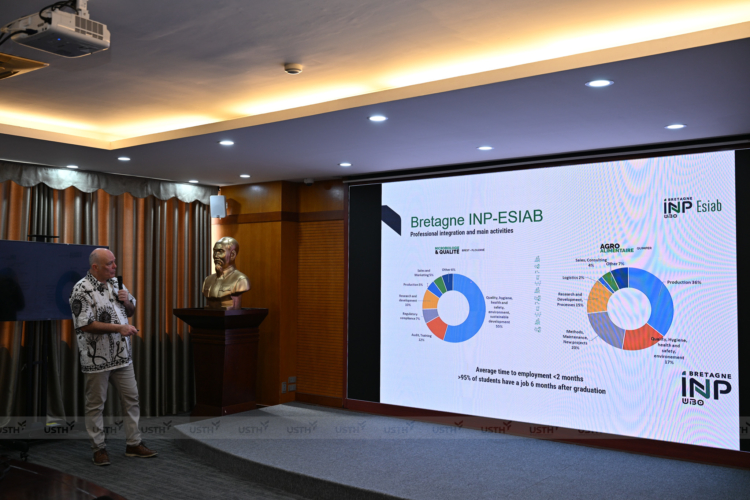
During the presentation, Prof. Emmanuel Coton introduced the structure and activities of LUBEM, a research unit specializing in microbial ecology and biodiversity. The laboratory currently houses 38 permanent staff members, 15 PhD candidates, and a strain collection of over 4,000 fungi. Research activities center on diverse groups of microorganisms—including molds, yeasts, and spore-forming bacteria—isolated from food, agricultural, and marine environments.
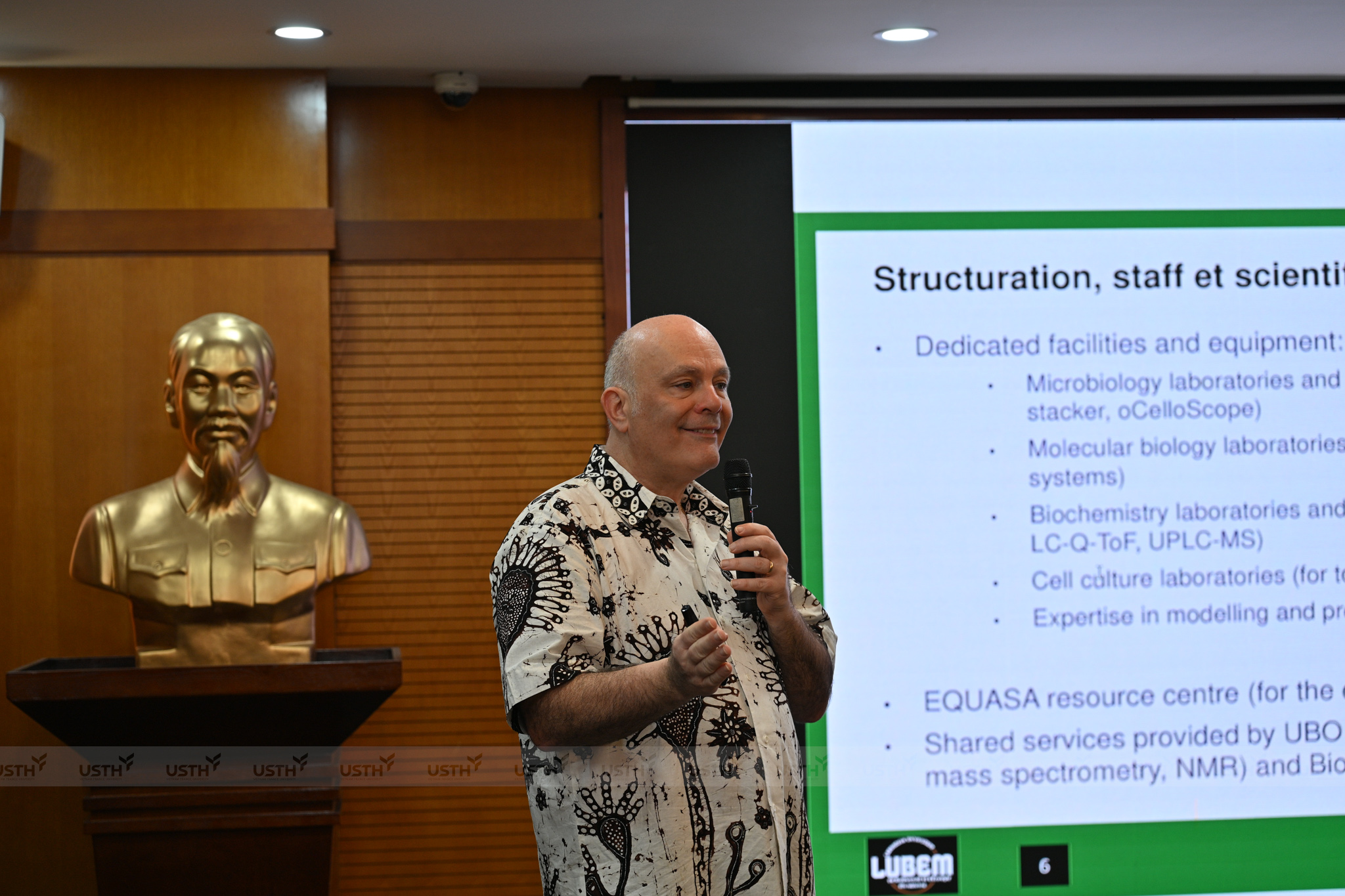
Research at LUBEM focuses on four main areas: microbial ecology, physiology, metabolism, and control. The ecology focus examines the occurrence, distribution, and dynamics of microbial communities across different environments such as agricultural soils, food matrices, and marine ecosystems. The physiology line investigates how microorganisms respond to environmental factors like temperature, pH, and water activity, which directly influence microbial growth and food product quality.
Under the metabolism area, researchers focus on microbial metabolites ranging from key flavor compounds to potential mycotoxins. Meanwhile, the microbial control direction aims to develop solutions to mitigate unwanted microorganisms. Projects presented at the seminar highlighted the use of beneficial bacteria for food preservation, biocontrol strategies against plant pathogens, and the potential application of marine fungi in plastic degradation and oil spill bioremediation.
These four directions demonstrate how microbial science addresses concrete challenges in food production, agriculture, and environmental management—providing a foundation for practical applications ranging from food safety improvements to pollution control.
Mycotoxin migration in moldy foods
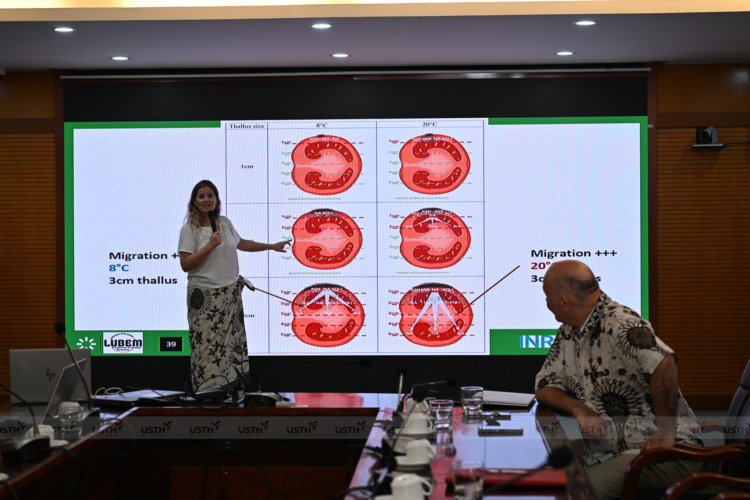
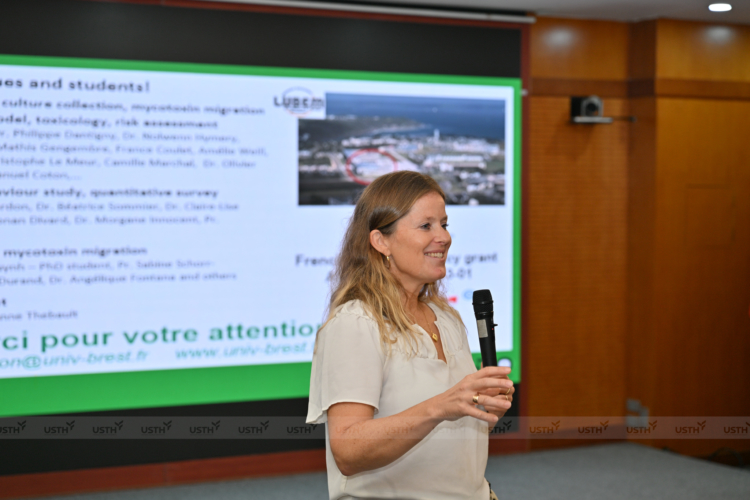
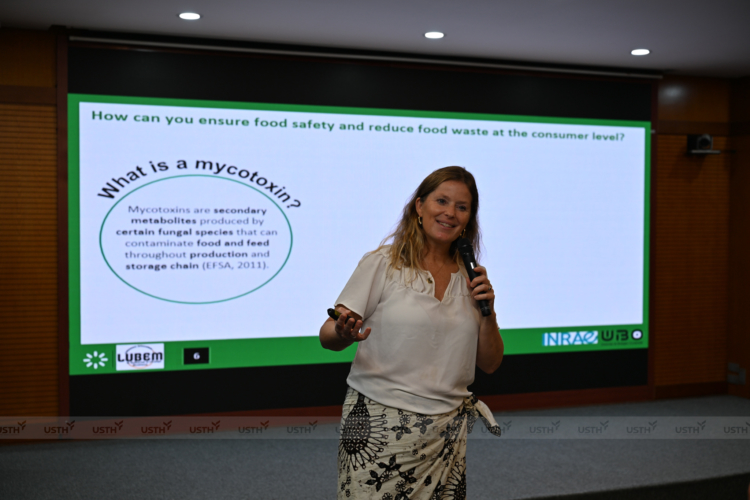
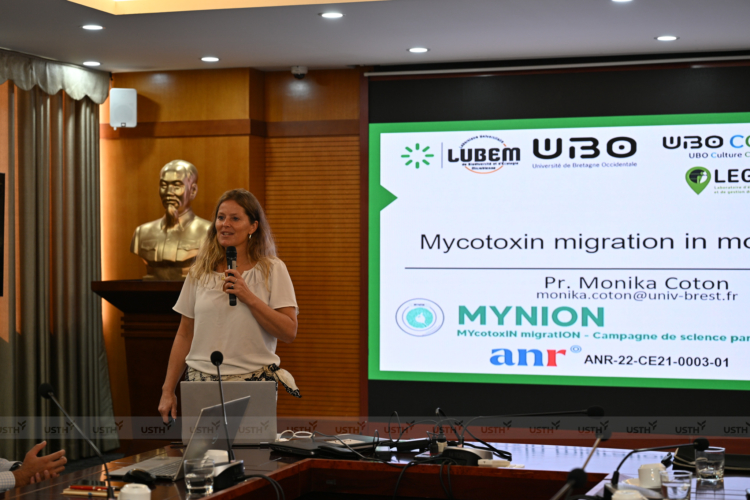
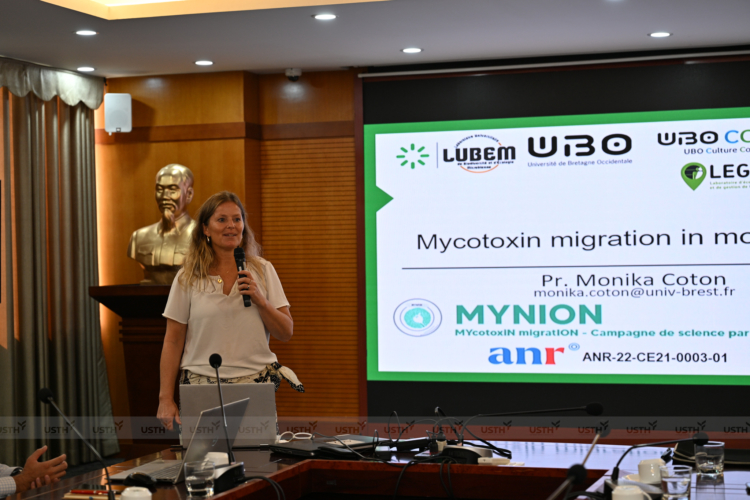
Following the overview of microbial research, Prof. Monika Coton presented her research on “Mycotoxin migration in moldy foods”. The presentation addressed how toxins produced by molds diffuse through food matrices and highlighted critical factors when assessing consumer health risks.
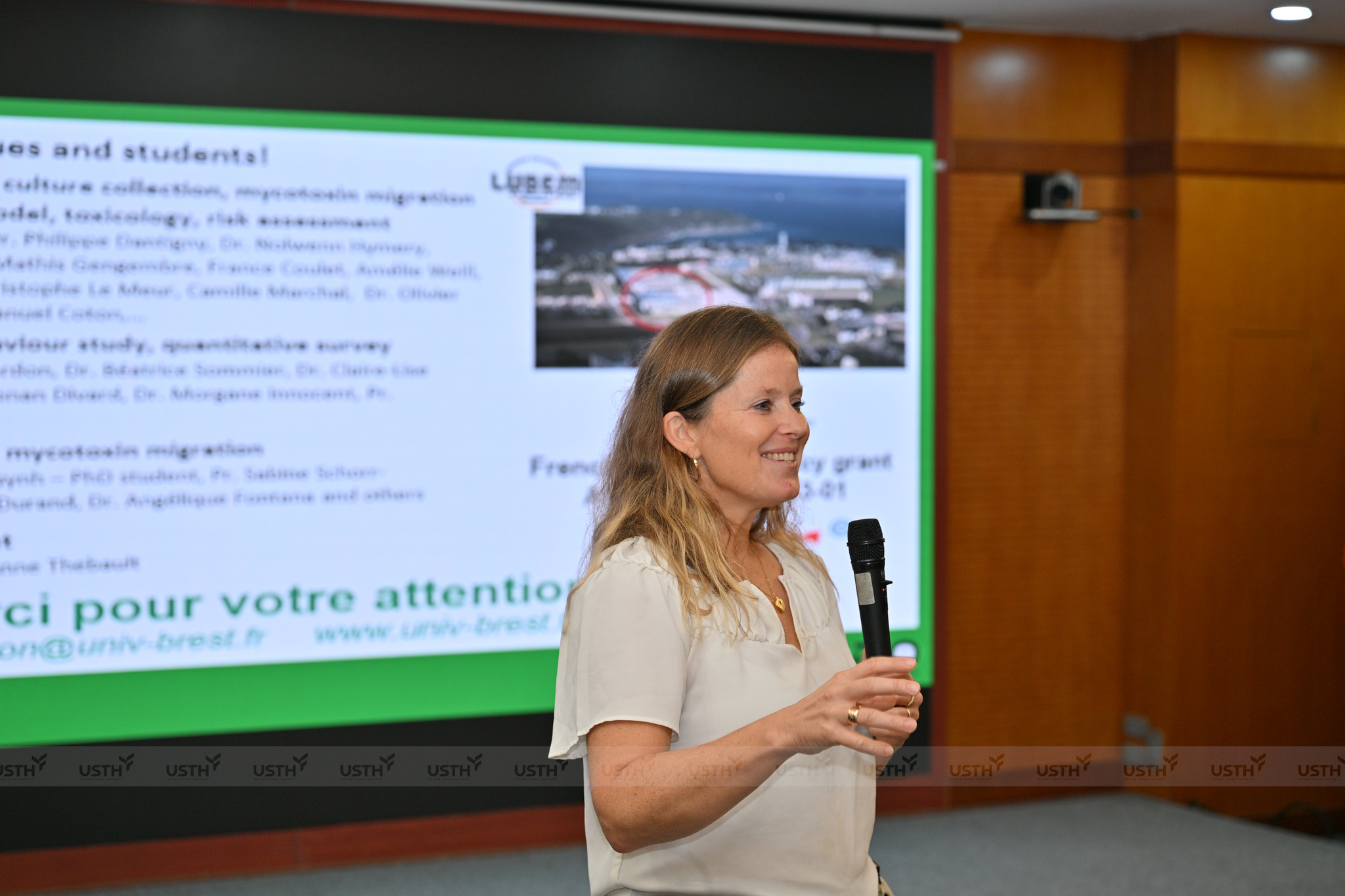
Molds do more than alter the appearance and sensory quality of food; certain species produce mycotoxins capable of causing adverse health effects. Notably, toxin contamination is not strictly limited to the visible moldy areas. Consequently, simply trimming away visually affected portions does not guarantee that the remaining food is safe for consumption.
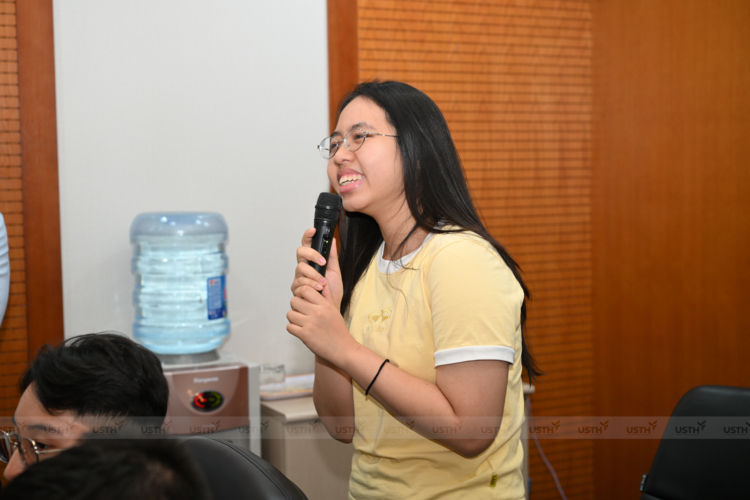
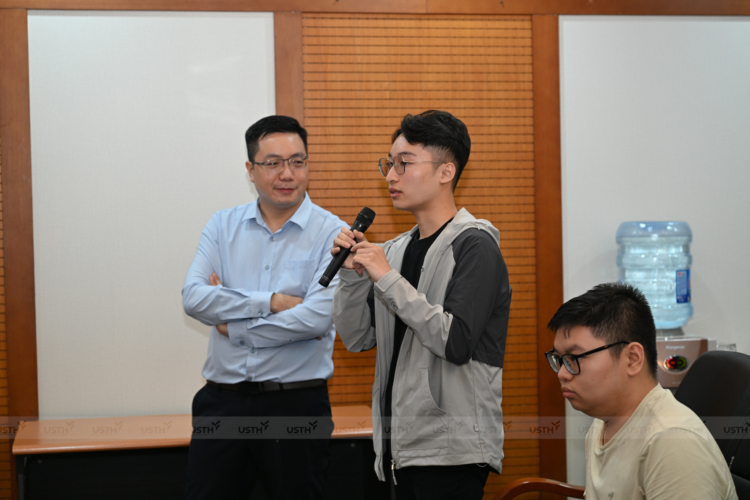
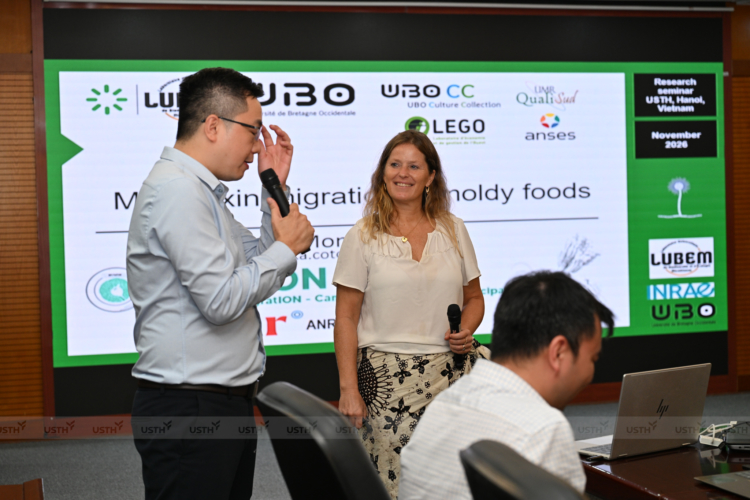
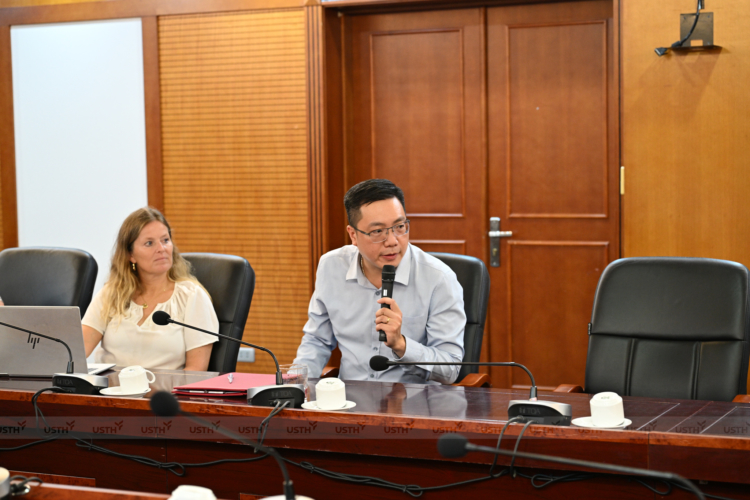
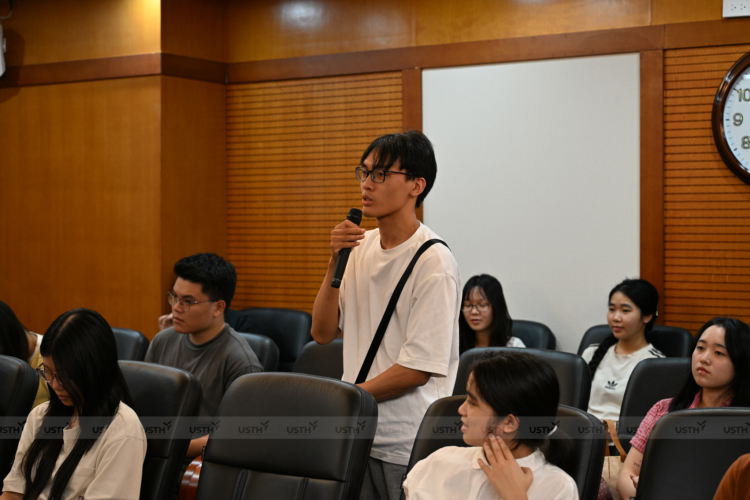
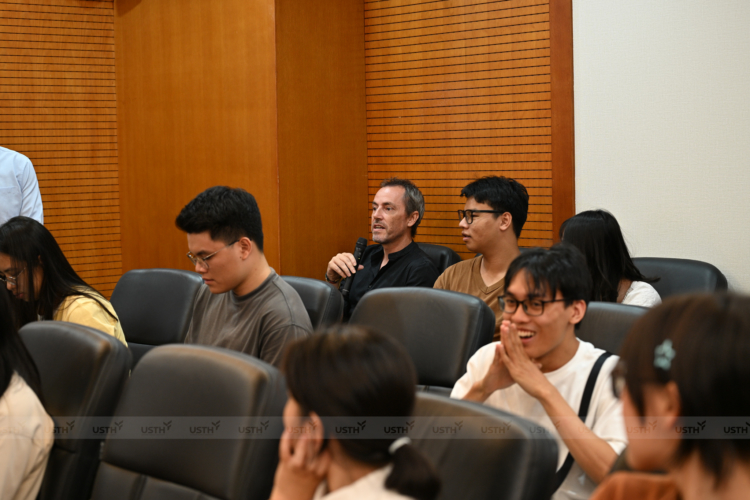
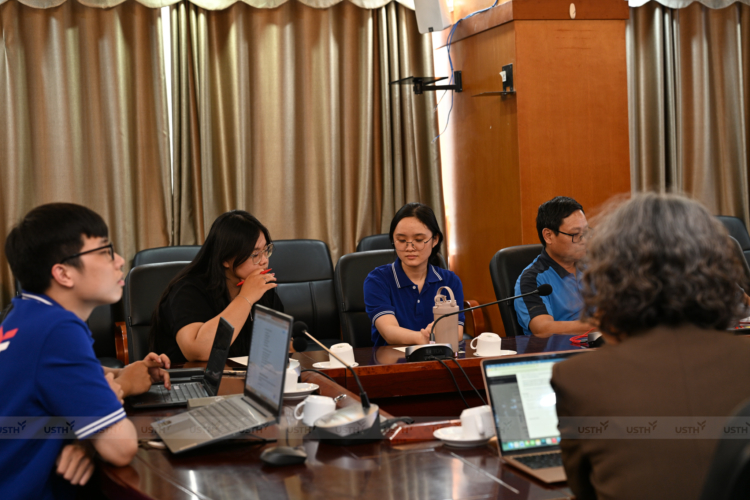
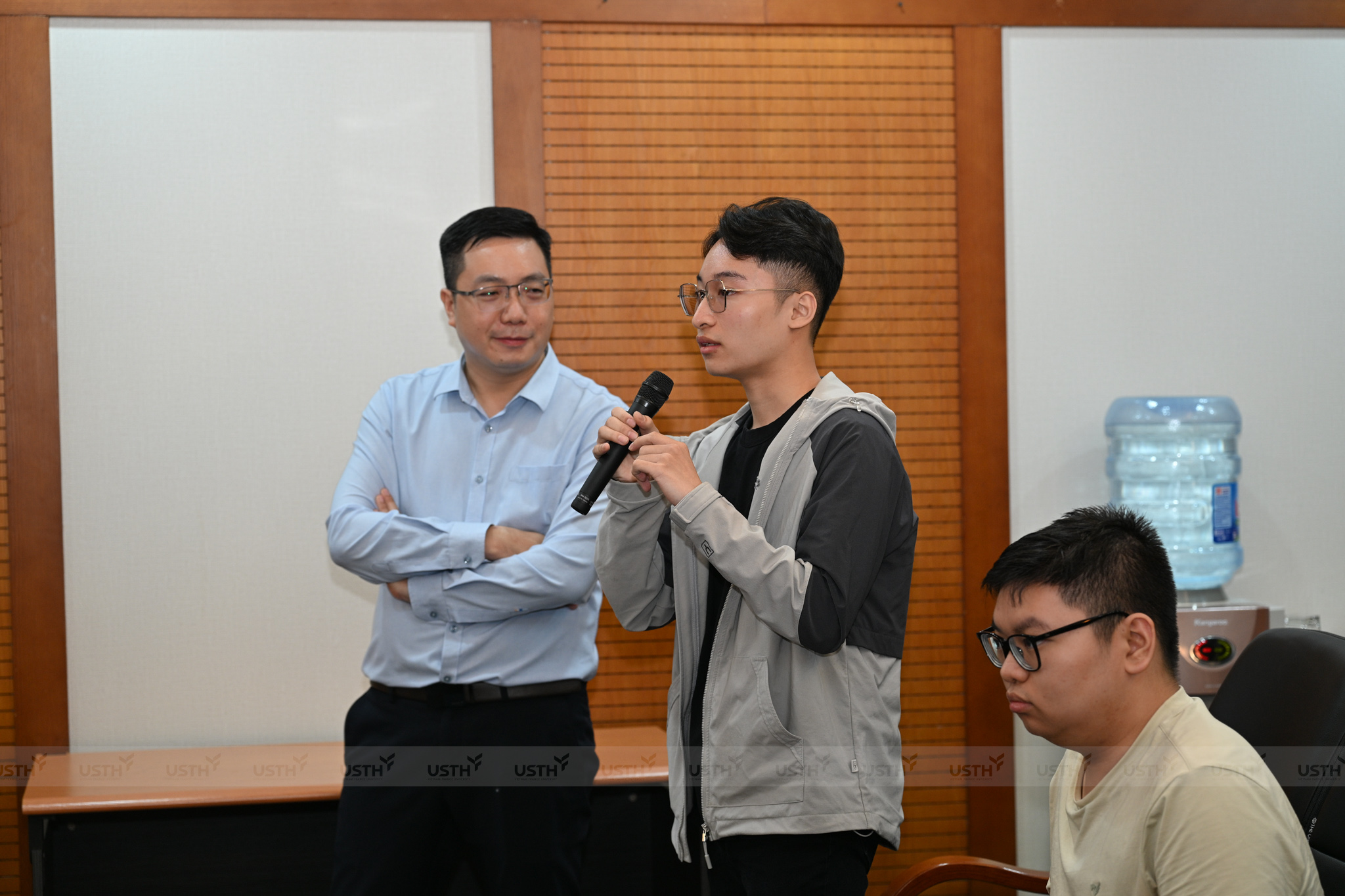
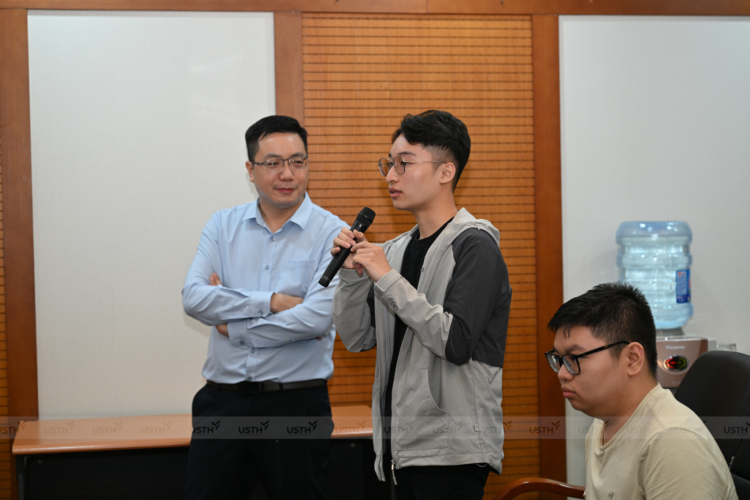
The discussion session was lively, featuring questions from FST lecturers, undergraduate students, and FSQA master’s candidates. Inquiries focused on practical food handling when encountering mold, variations across different food matrices, and opportunities for internships, study, and research in France. The speakers addressed each question thoroughly, connecting scientific findings with real-world production and consumer scenarios.
USTH – Bretagne INP Partnership: Expanding Educational and Research Opportunities in France
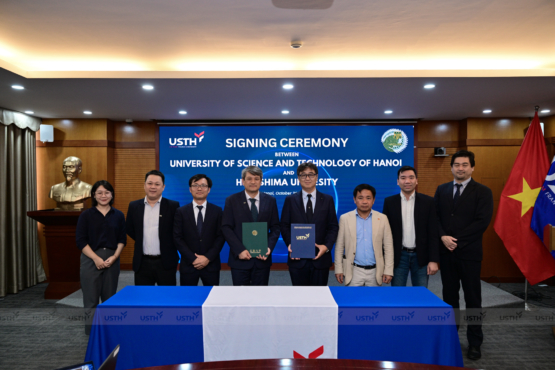
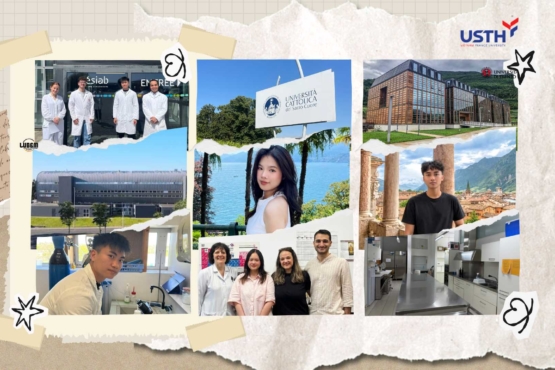
Bretagne INP and USTH have established a Memorandum of Understanding (MoU) providing a framework for joint academic training, exchange programs, and collaborative research. Building on this framework, both institutions are currently working to implement transfer programs for USTH FST bachelor’s students to pursue engineering degrees at ESIAB, alongside double-degree pathways for FSQA master’s students. Initial outcomes are already visible: Nguyen Bao Minh, an FST student from Cohort 14, completed an internship at ESIAB/LUBEM, with additional USTH students, master’s candidates, and doctoral researchers scheduled to follow.
The seminar also introduced key financial support programs:
- Eiffel Excellence Scholarship Program (funded by the French Ministry for Europe and Foreign Affairs): Offers monthly stipends, airfare, and health insurance coverage for master’s and PhD candidates.
- France Excellence Scholarship (offered by the French Embassy in Vietnam): Prioritizes applicants in science and engineering disciplines.
- Hubert Curien Partnership – PHC Lotus: Supports travel and living expenses for joint research projects between French and Vietnamese laboratories.
- Joint Doctoral Program under the Joint Supervision Scheme (Cotutelle de thèse) in partnership with the EGAAL Doctoral School: A 3-year full-time PhD program requiring candidates to spend at least 12 months conducting research at USTH, with the remaining duration based at the partner institution in France. Graduates receive dual doctoral degrees—one issued by USTH and one by the French partner institution.
Beyond delivering specialized scientific insights into food safety, the seminar outlined clear academic pathways for USTH students and researchers in France, further strengthening the ongoing collaboration between USTH and Bretagne INP.
| Bretagne INP is a public engineering and management group in Western France and a member of Groupe INP, a network of 40 public institutions educating over 25,000 students. Within this framework, ESIAB trains engineers in product safety and quality management, food processing technology, innovation, and biotechnology. LUBEM serves as a primary research unit within Bretagne INP’s academic ecosystem. |
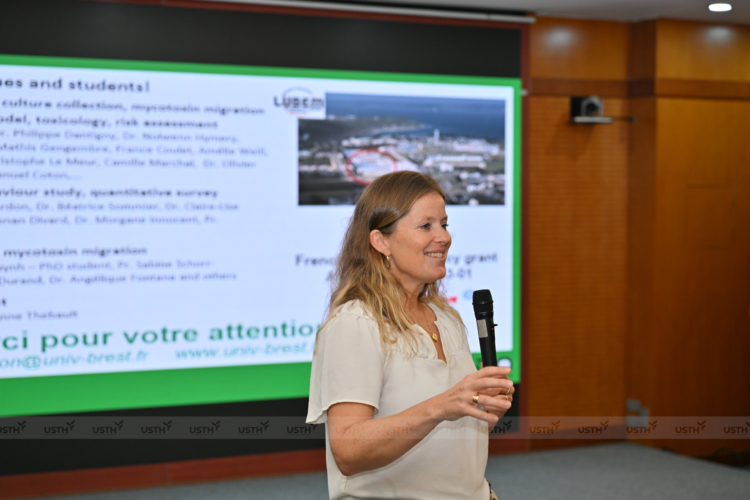
Prof. Monika Coton, Professor at LUBEM and Academic Coordinator for Microbiology and Food Quality at the École supérieure d'ingénieurs en agroalimentaire de Bretagne atlantique (ESIAB)
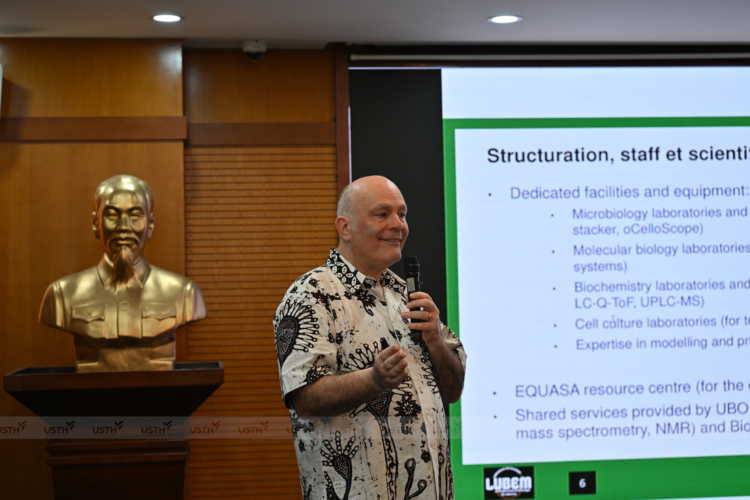
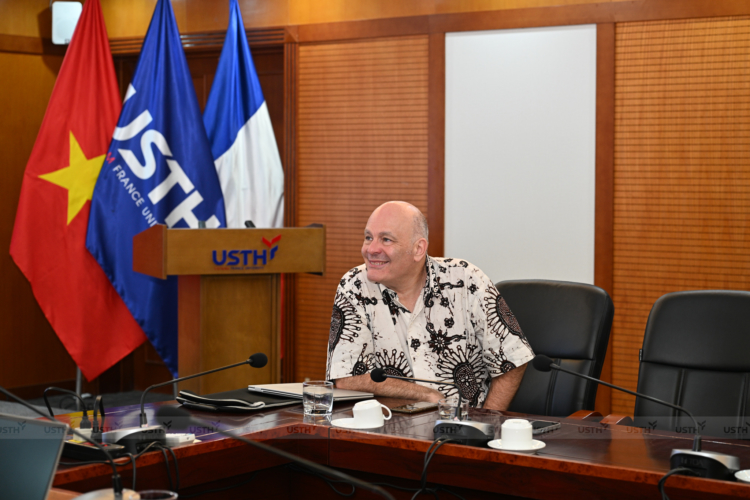
Prof. Emmanuel Coton, Director of the University Laboratory of Biodiversity and Microbial Ecology (LUBEM)