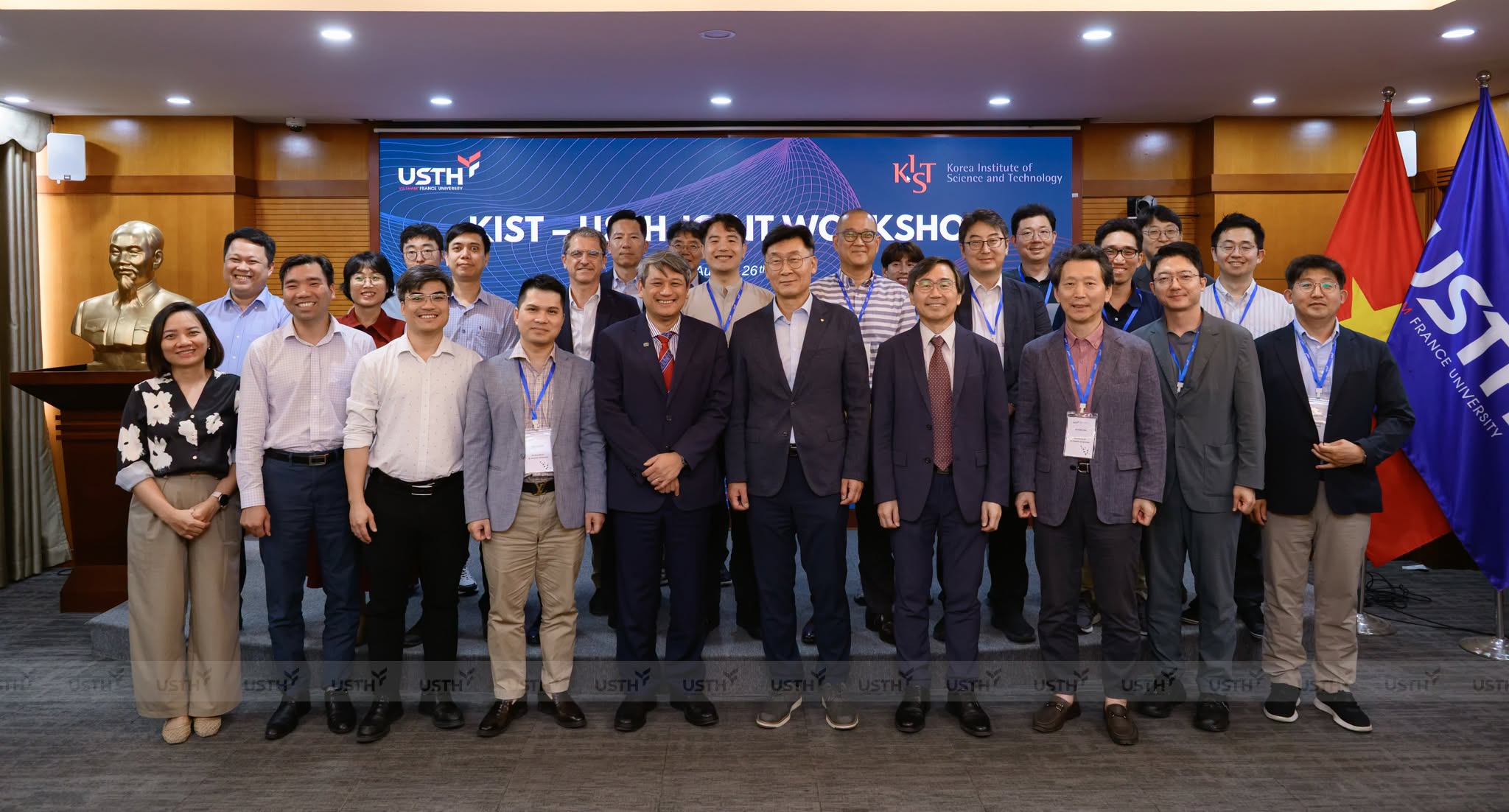
On August 26, 2026, the University of Science and Technology of Hanoi (USTH) and the Korea Institute of Science and Technology (KIST) co-organized the USTH–KIST Joint Scientific Workshop, bringing together scientists and researchers from both institutions to discuss potential avenues for collaboration in key areas of science and technology.
The workshop marked an important step in translating into practice the Memorandum of Understanding signed between USTH and KIST during the official visit to the Republic of Korea by Prof. Dinh Thi Mai Thanh, Rector of USTH, in April 2026.
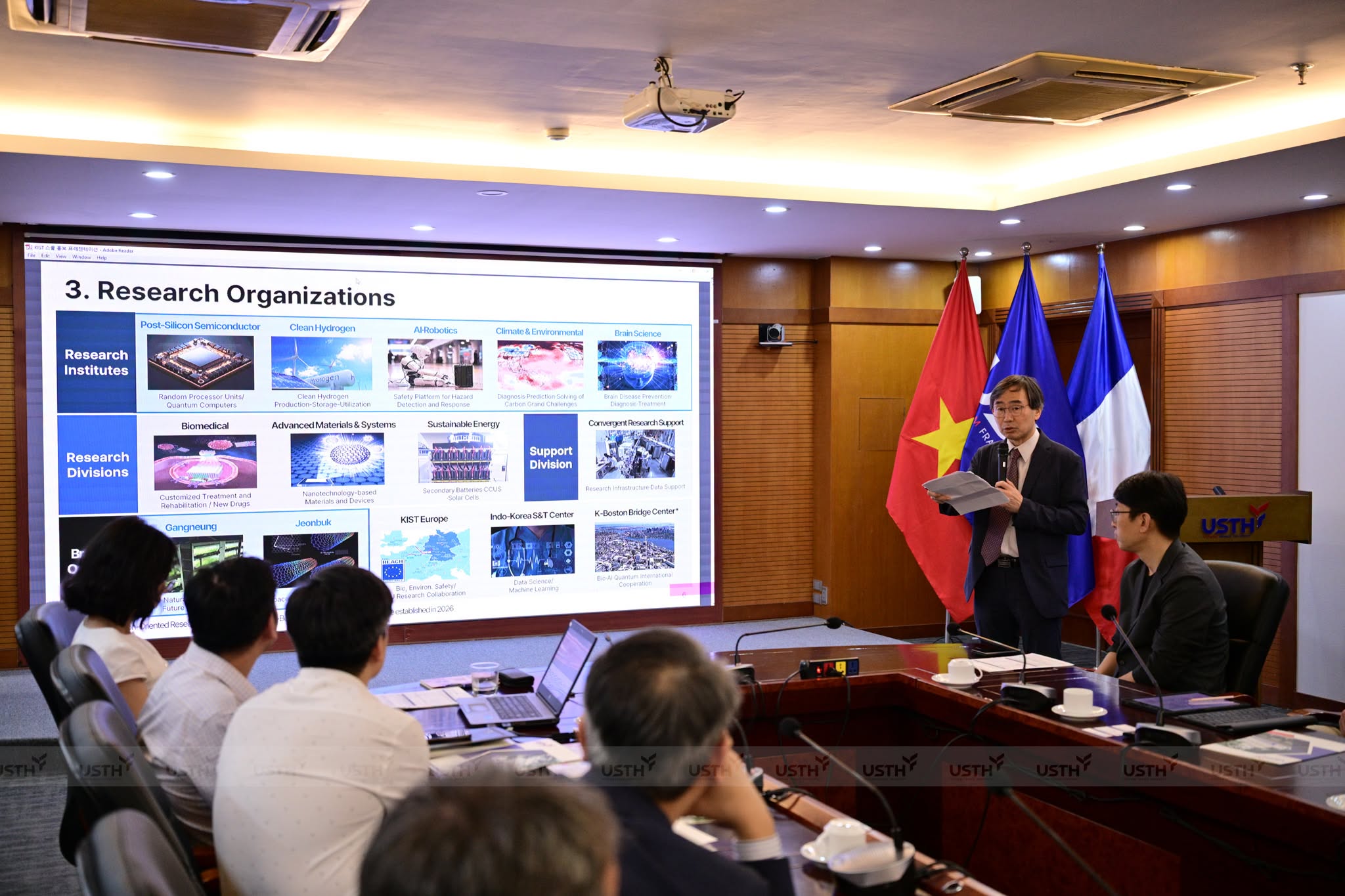
Established in 1966, KIST is Korea’s leading government-funded research institute in science and technology and has played a pivotal role in strengthening the country’s industrial and scientific capabilities. Today, KIST conducts multidisciplinary research and training in key areas including advanced materials, semiconductors, artificial intelligence, robotics, energy, the environment, and biomedicine. The institute is also at the forefront of technology transfer and international scientific and technological cooperation in Korea.
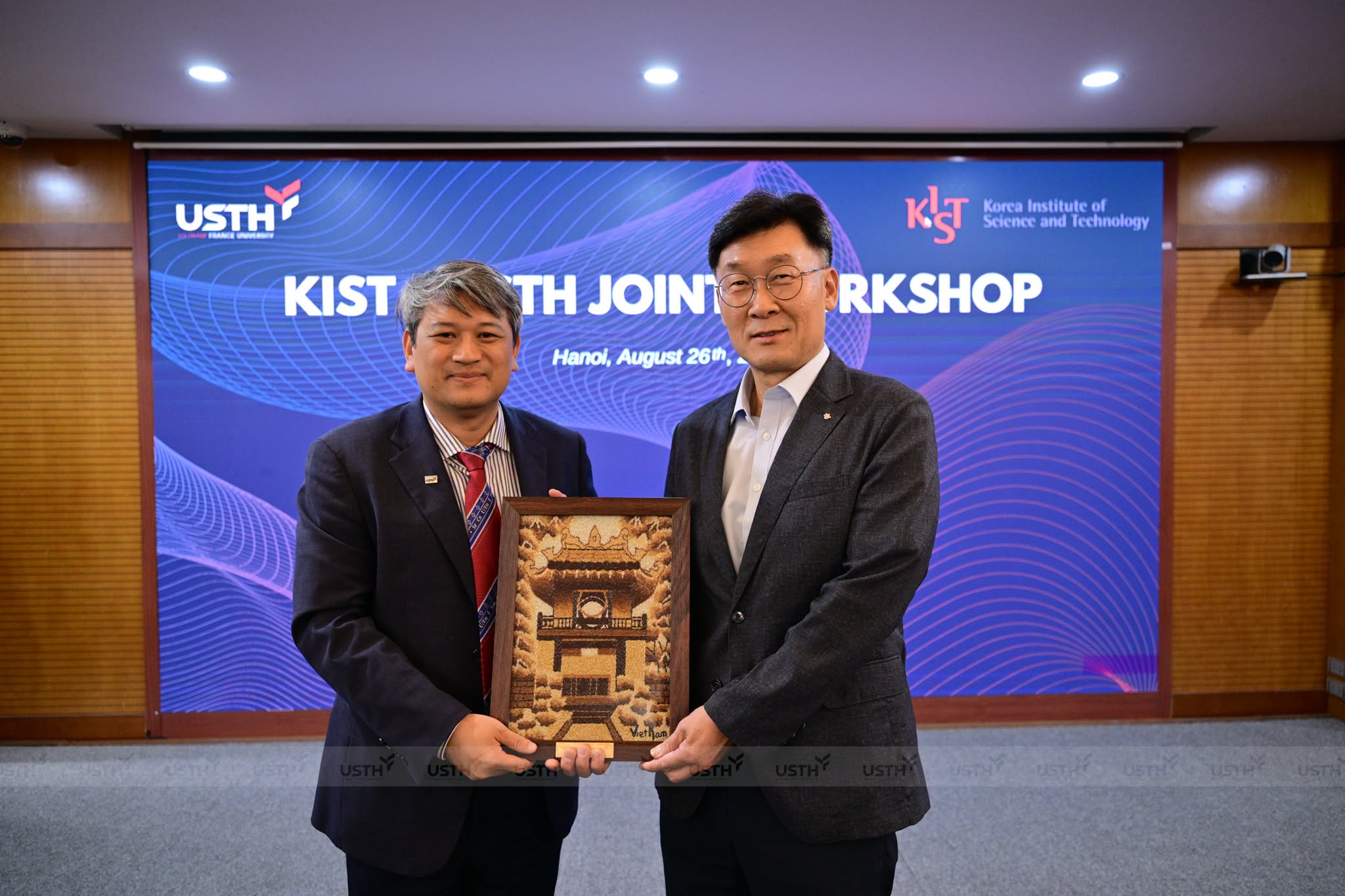
The workshop was attended by Dr. Joonyeon Chang, Vice President of KIST; Prof. Sang Chul Ahn, Dean of KIST School; and scientists and researchers from KIST. Representing USTH were Assoc. Prof. Tran Dinh Phong, Vice Rector; representatives of the Department of Research and International Affairs; leaders of academic departments; as well as lecturers and research groups from USTH.
At the plenary session, representatives from USTH and KIST provided an overview of their respective institutions’ development, training and research capabilities, and key areas of expertise.
Representing KIST, Dr. Joonyeon Chang presented the Master Plan for Korea–Vietnam Science and Technology Innovation Cooperation, which aims to establish a comprehensive cooperation platform built around four pillars: strategic technology development; training and exchange of young scientists; promotion of research transfer and commercialization; and the establishment of sustainable cooperation mechanisms. Vietnamese universities, particularly USTH, were identified as potential partners for joint research projects and for connecting the University–Research Institute–Industry model.
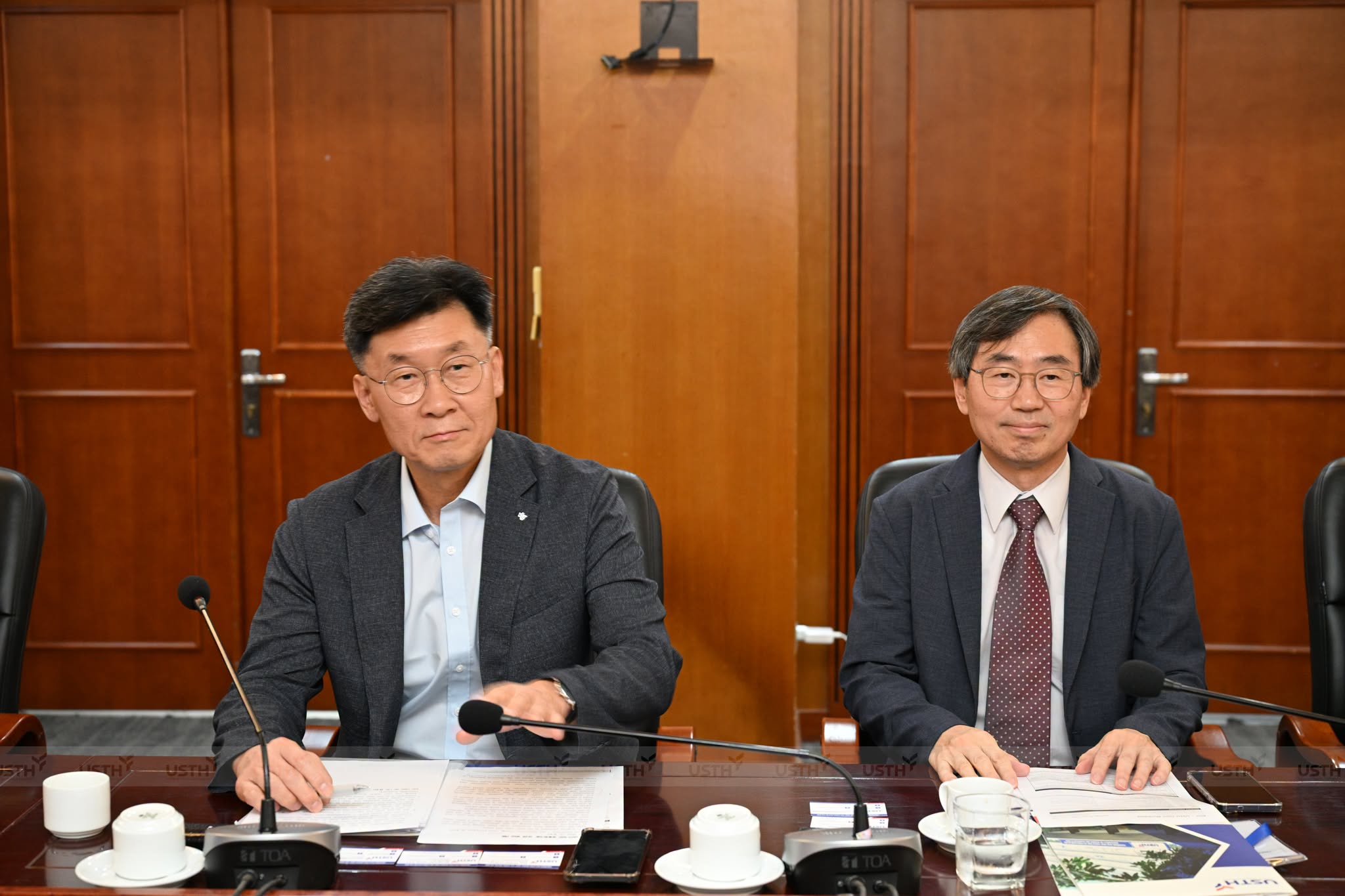
Prof. Sang Chul Ahn then introduced KIST’s multidisciplinary research capabilities and the postgraduate education model at KIST School, which is closely integrated with state-of-the-art laboratories and a team of leading experts. As of July 2026, KIST School had trained more than 1,100 alumni from 48 countries, including 145 Vietnamese students, opening up promising opportunities for future educational cooperation and academic exchange with USTH.
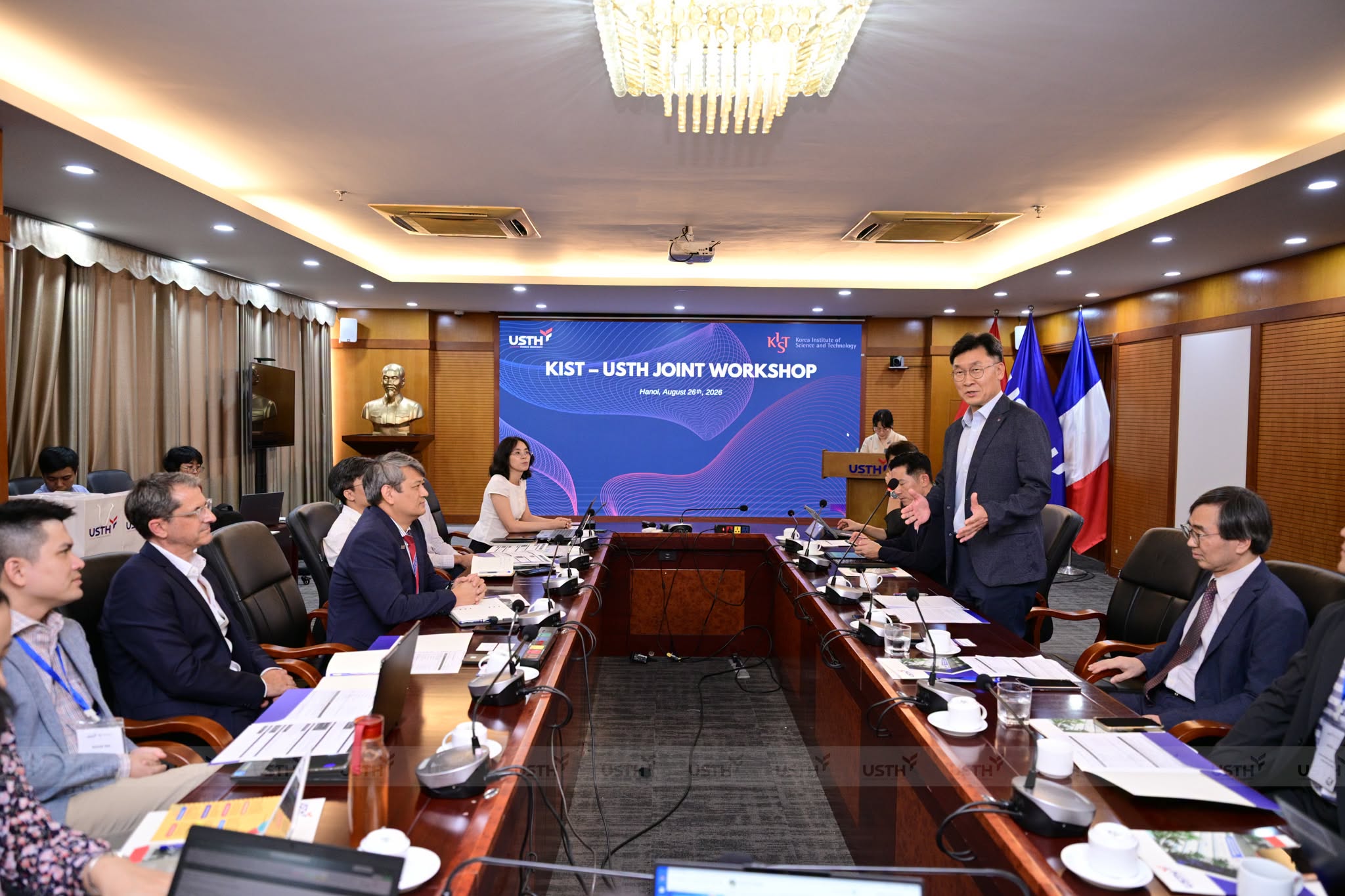
Assoc. Prof. Tran Dinh Phong, Vice President of USTH, welcomed the latest progress in cooperation between USTH and KIST. He expressed his hope that the workshop would provide an opportunity for scientists from both institutions to exchange ideas and identify areas of shared interest, laying the groundwork for joint training and research projects.
The workshop featured four thematic sessions focusing on strategic interdisciplinary research areas:
- Advanced materials and semiconductor technologies
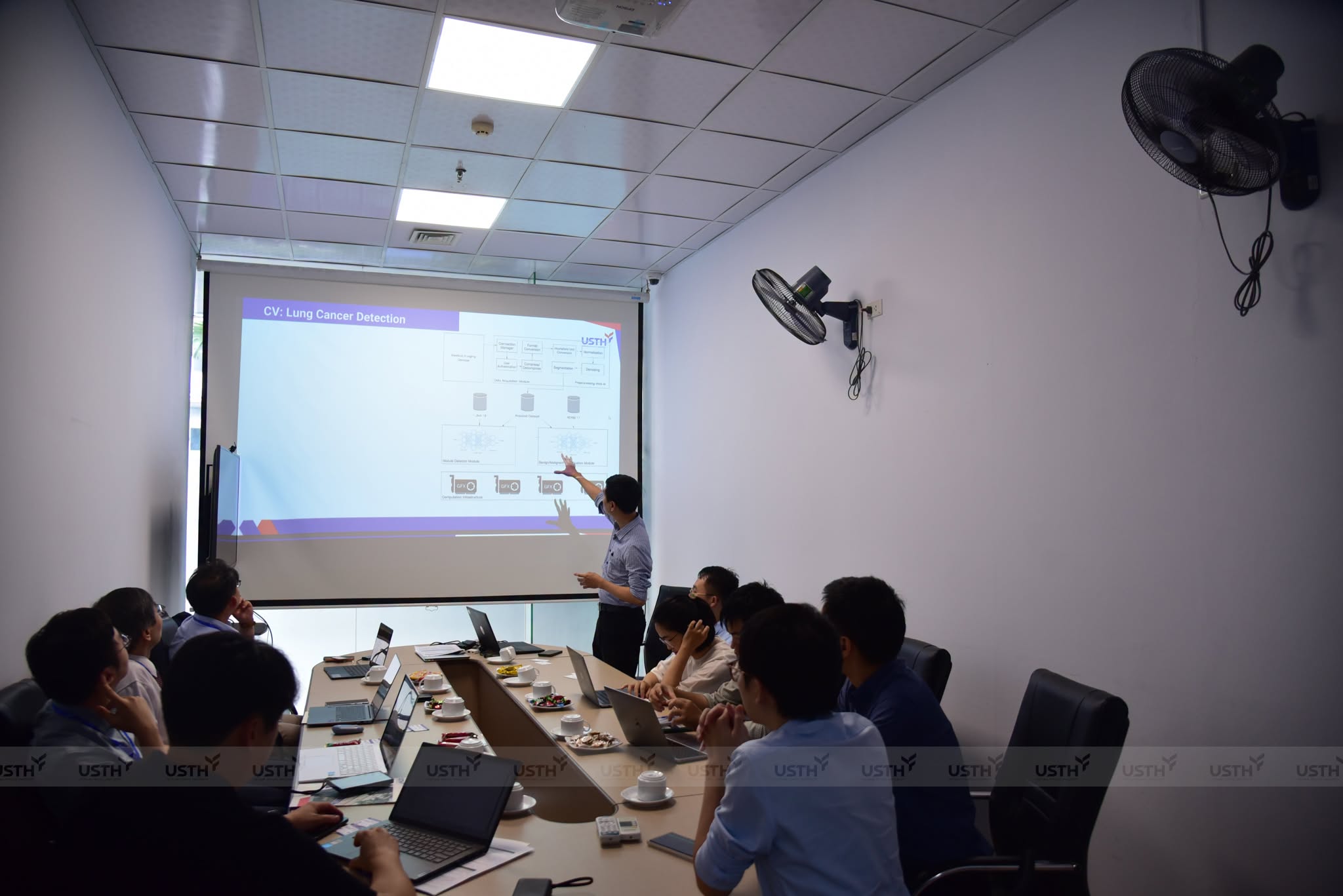
- Artificial intelligence and intelligent systems
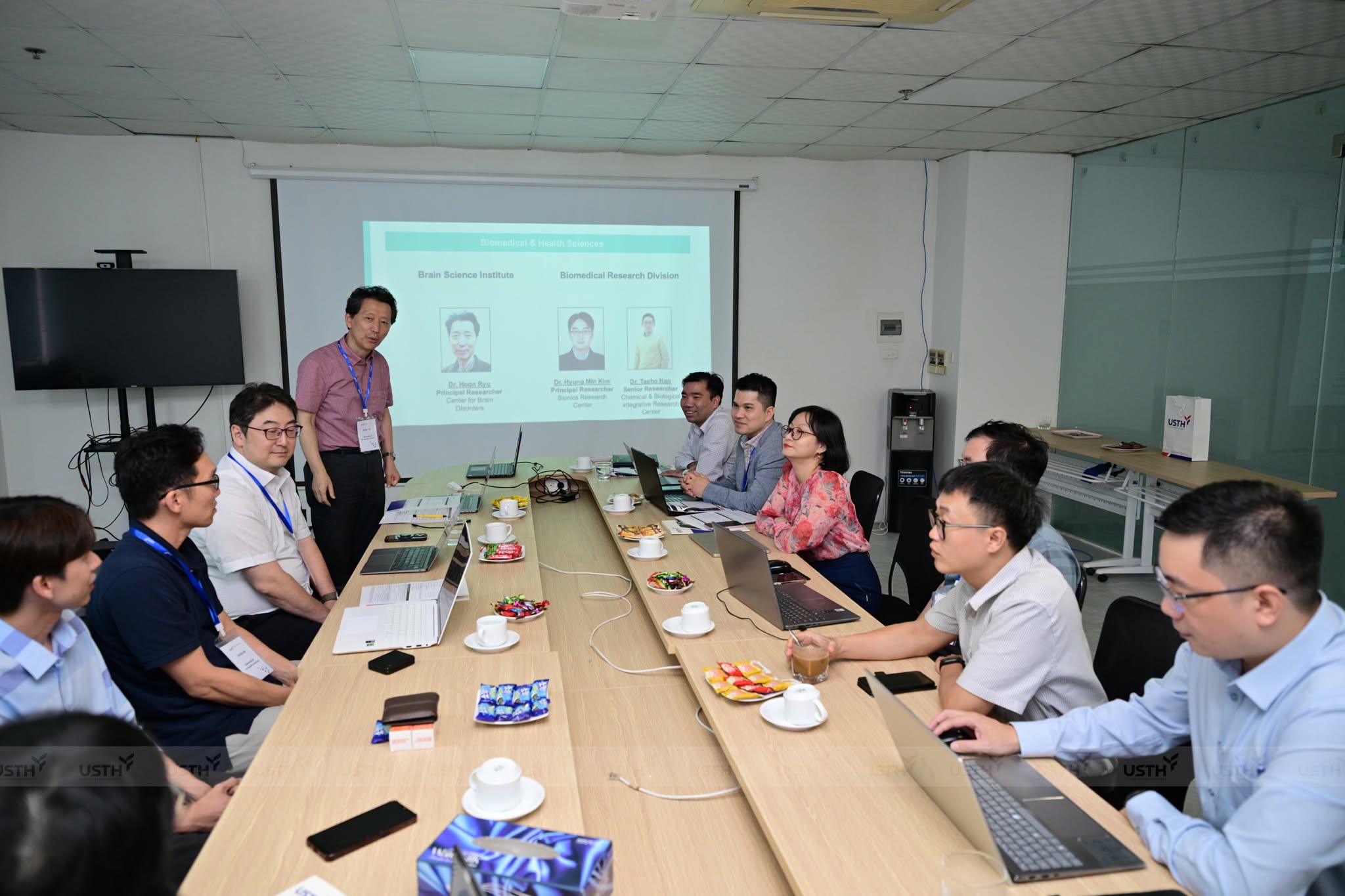
- Biomedicine and health sciences
- Sustainable agriculture and biological resources
During each session, scientists from USTH and KIST presented their respective strengths, research capabilities, and priorities. The discussions also helped identify areas of convergence in expertise, research capacity, and laboratory infrastructure, while providing an initial basis for proposing collaboration opportunities that align with the strengths of both institutions.
The USTH–KIST Joint Scientific Workshop represents a concrete step toward implementing the cooperation agreement between the two institutions while opening up new opportunities for collaboration in education and research. The event further strengthened the partnership and connections between USTH and Korea’s science and technology ecosystem, with a view to developing practical and long-term joint initiatives in the future.