From 24–26 November 2025, the Vietnam Academy of Science and Technology (VAST), in collaboration with the French National Centre for Scientific Research (CNRS), held the Scientific School on “Advanced Materials for Electronic and Plasmonic Devices” in Hai Phong.
As an international public university established under the Intergovernmental Agreement between Viet Nam and France and operating under VAST, the University of Science and Technology of Hanoi (USTH) was honoured to co-organise and host the VAST–CNRS 2025 Scientific School. The event offered USTH a valuable opportunity to strengthen ties with CNRS experts, expand partnerships in advanced training and research, and underscore its role within the Viet Nam–France scientific and technological cooperation network.
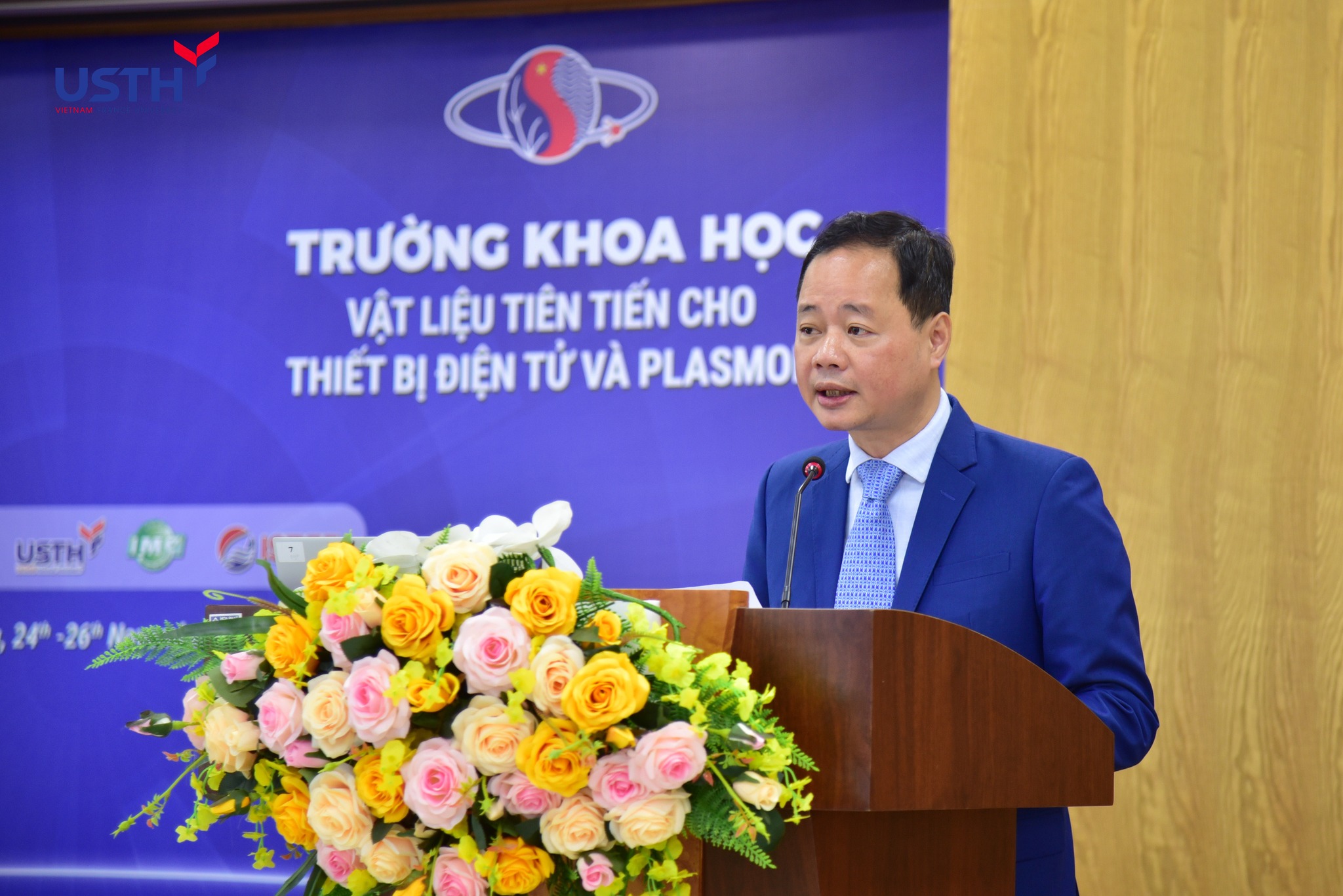
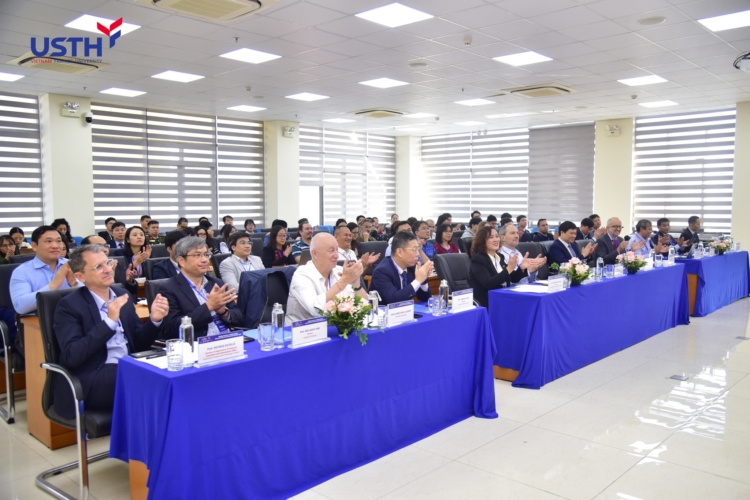
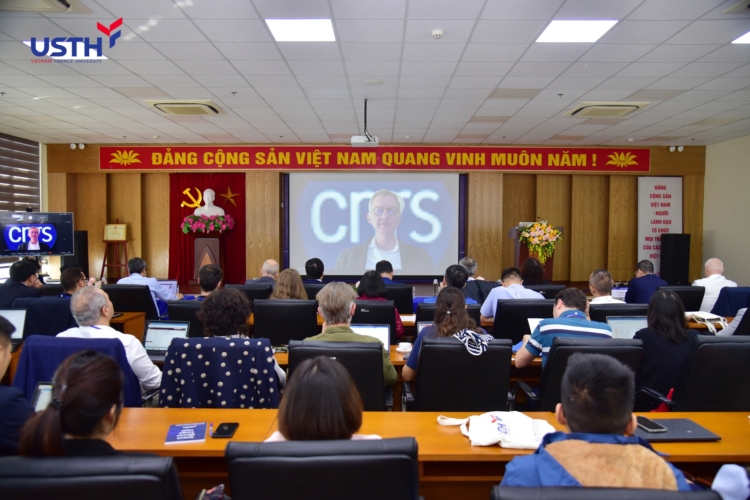
The Opening Ceremony on 24 November 2025 was attended by Prof. Tran Hong Thai, Standing Deputy Secretary of the Party Committee and Standing Vice President of VAST; Mr. Hoang Minh Cuong, Member of the Hai Phong City Party Executive Committee (2020–2025) and Vice Chairman of the Hai Phong People’s Committee (2021–2026); Prof. Benoit Piro, CNRS Regional Director; along with scientists, doctoral candidates, and young researchers from Viet Nam and France.
In his opening remarks, Prof. Tran Hong Thai welcomed all lecturers and participants and highlighted the special role that the scientific school model has played over more than 40 years of VAST–CNRS cooperation. From the early school at Do Son, Hai Phong, jointly organised by CNRS and VAST to today, generations of young scientists have gained access to advanced knowledge, formed strong research groups, and become key contributors to VAST. He noted that reviving the VAST–CNRS Scientific School in 2023 and maintaining it as an annual event reflects VAST’s strategic commitment to developing high-level scientific human resources and strengthening international collaboration.
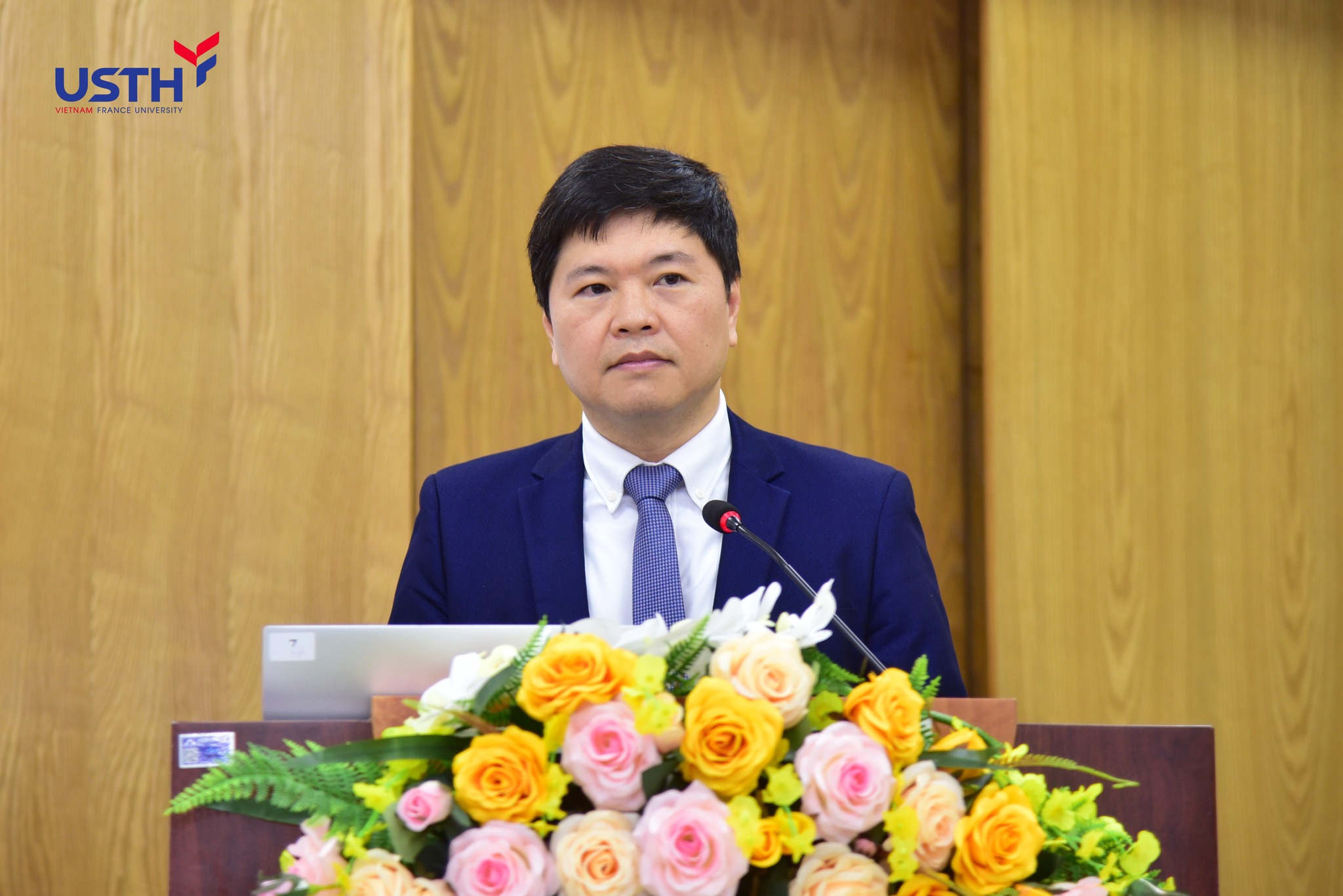
This year’s school, themed “Advanced Materials for Electronic and Plasmonic Devices,” addressed timely topics linked to important applications in nanoelectronics, sensing, optical transmission, and quantum devices.
Prof. Tran Hong Thai emphasised that advanced materials are among the eleven strategic technologies that Viet Nam has prioritised for development. He noted that Viet Nam, in general, and VAST in particular, have strong research capacities in physics, chemistry, and biology. Combined with long-standing, effective collaboration with French research and training institutions, these capacities offer significant potential to advance research on advanced materials and plasmonic applications for industrial and high-tech production.
Building on the success of the 2023 and 2024 editions, he expressed confidence that the VAST–CNRS 2025 Scientific School will remain a reputable forum where young scientists can engage with experienced experts, develop new collaborative ideas, form international research groups, and launch joint projects. These collaborations will also contribute to the establishment of associated laboratories, a priority initiative VAST aims to promote from 2026 onward.
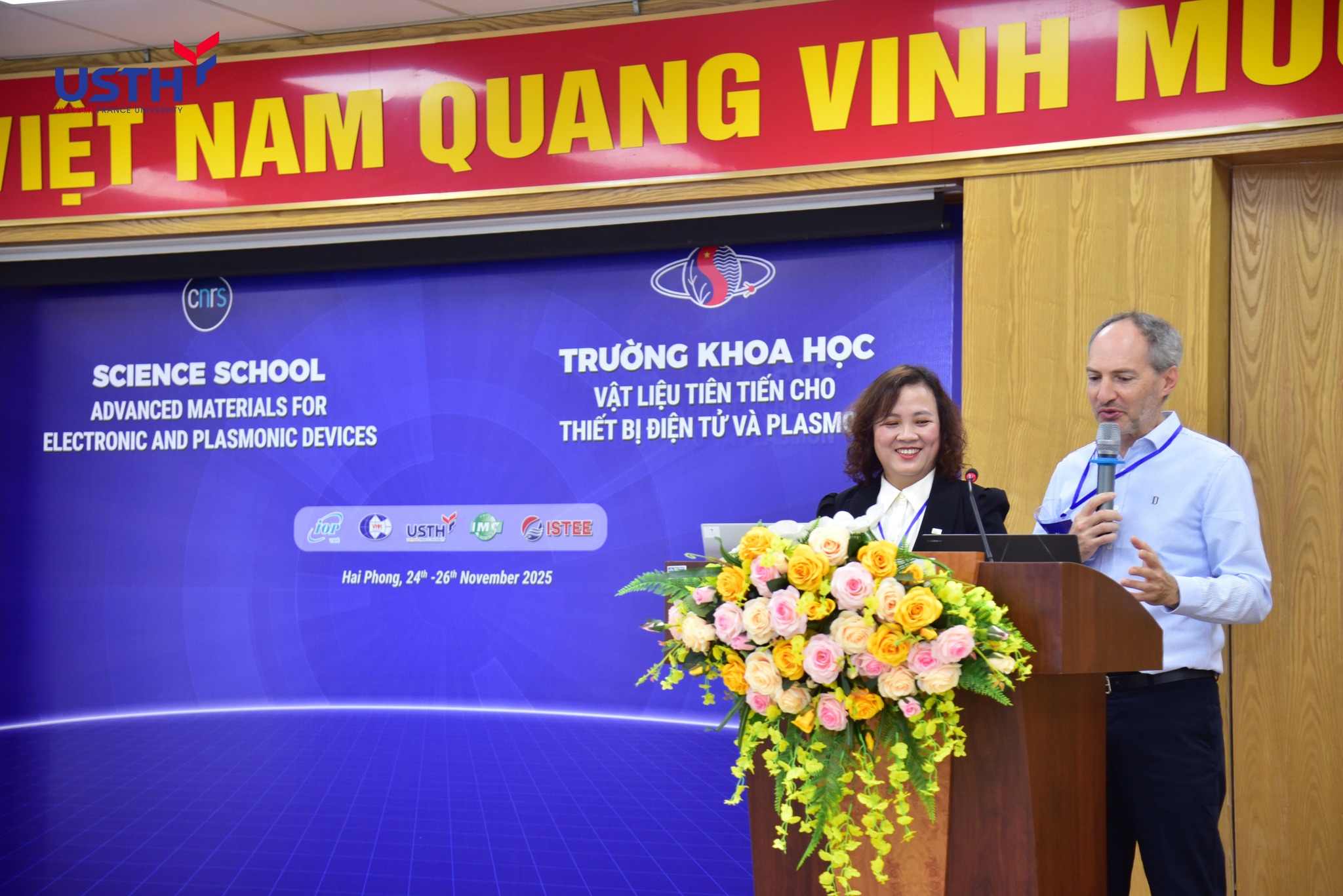
Speaking at the event, Mr Hoang Minh Cuong affirmed that Hai Phong considers science, technology, and innovation as central drivers of rapid and sustainable development. Hosting the VAST–CNRS 2025 Scientific School is therefore of great significance, enabling the city to access frontier research, core technological concepts, development models, and high-tech experience in mechanical–electronic engineering—a priority area for Hai Phong.
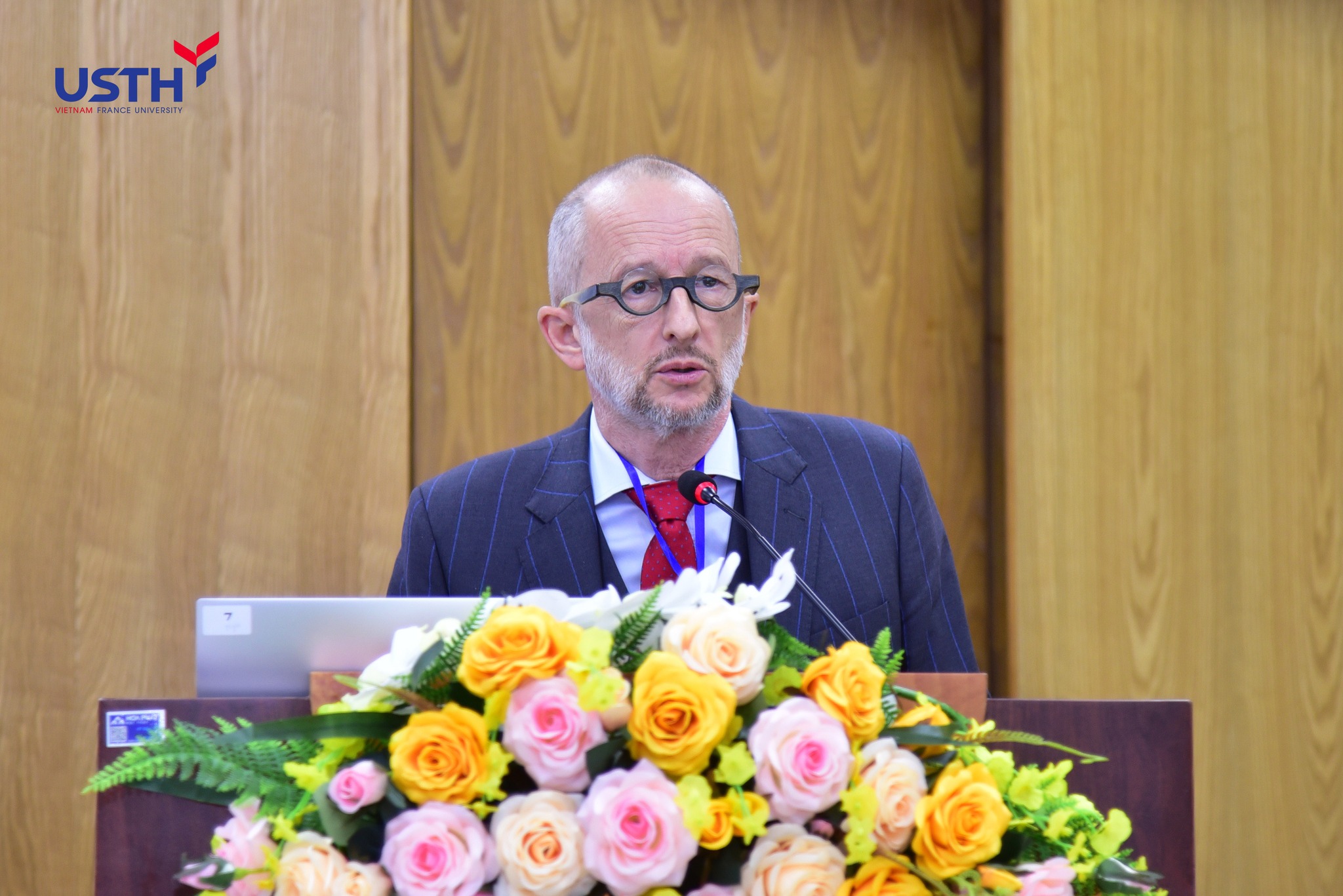
Prof. Benoit Piro expressed his appreciation for VAST’s efforts in reviving the joint scientific school series since 2023. He emphasised the longstanding, productive cooperation between VAST and CNRS in training and research over more than four decades, and wished the 2025 Scientific School great success, reaffirming its value as an important academic forum for young scientists.
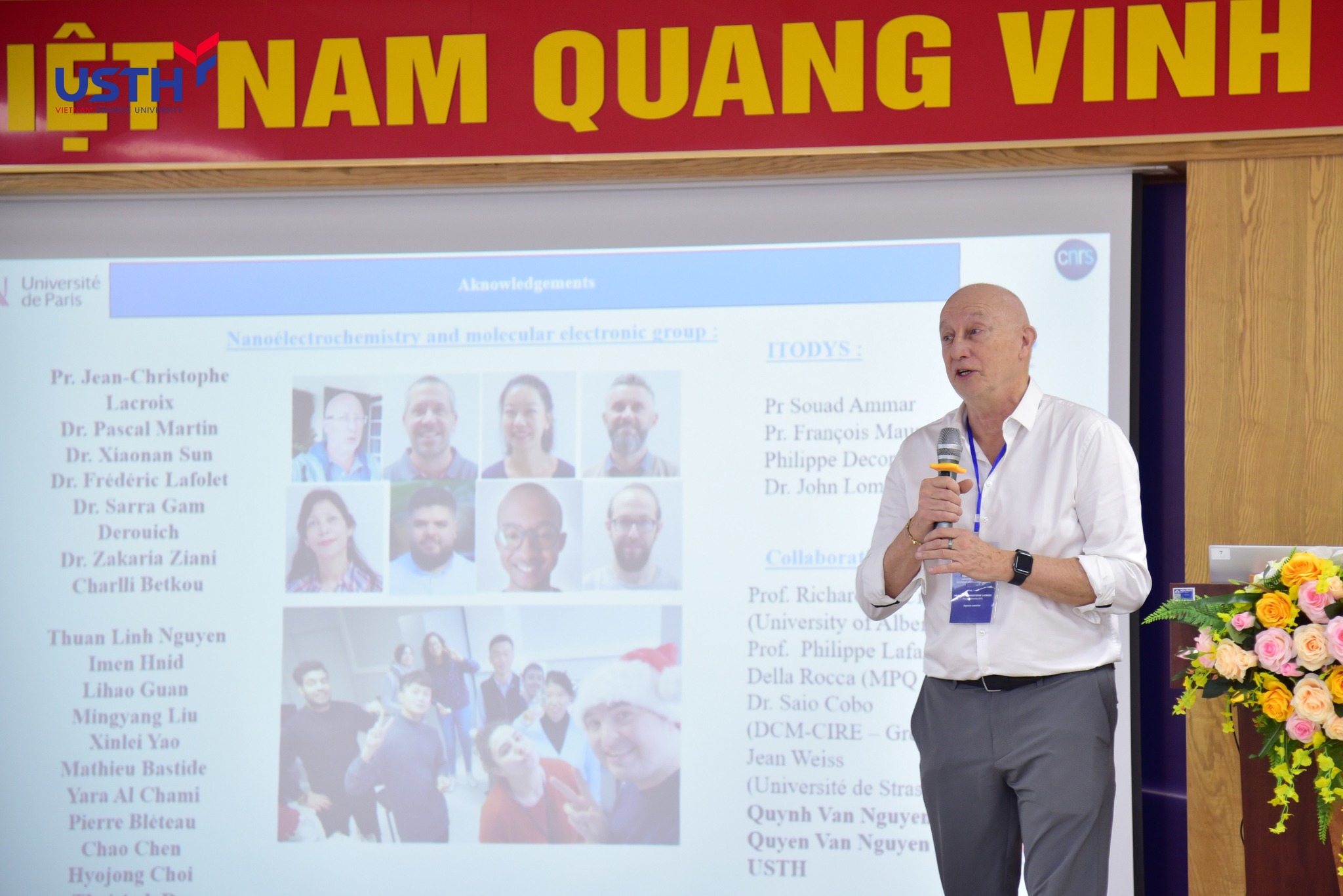
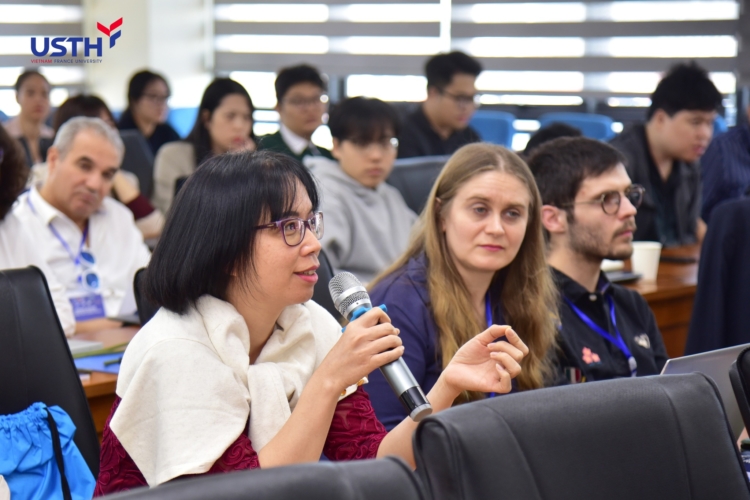
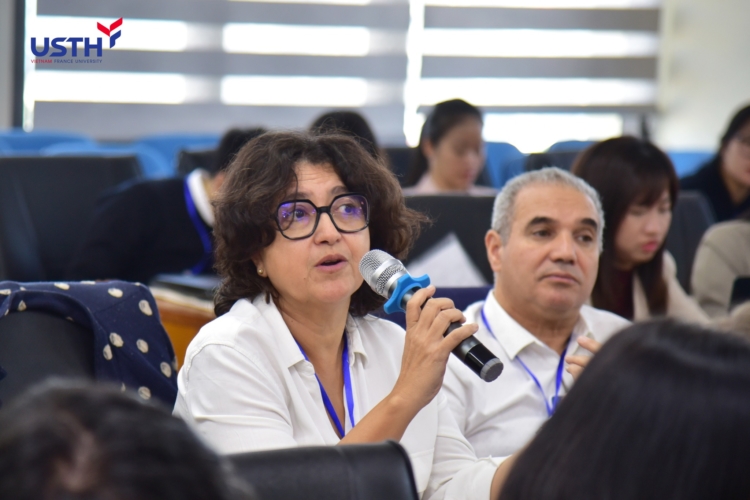
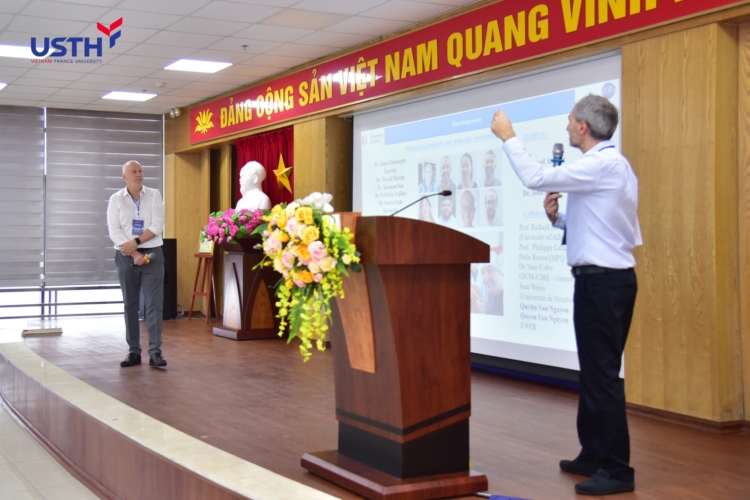
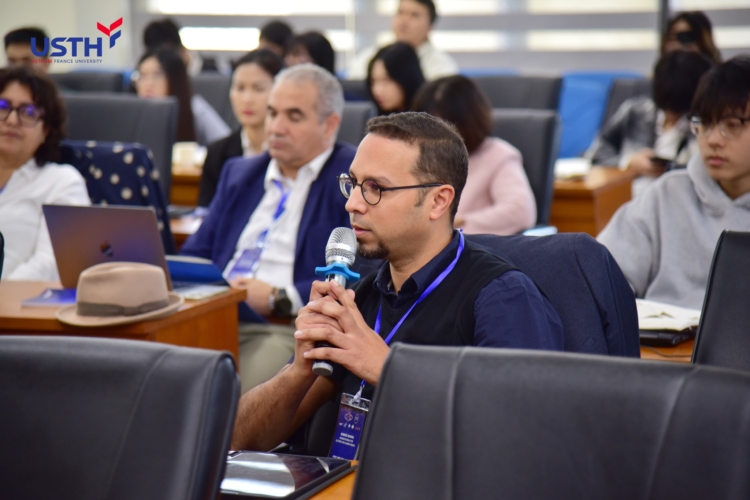
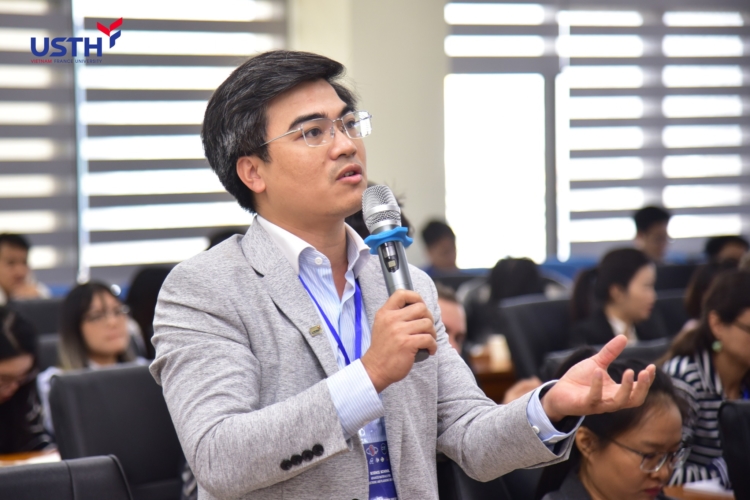
During the three-day program, young researchers presented their latest findings and attended lectures delivered by experienced scientists from Vietnam and France. The program covered key topics in advanced materials and plasmonics, including nanomaterial structure–property analysis, surface plasmon technologies, material fabrication techniques, and emerging applications in nanoelectronics, optical sensing, and quantum devices.
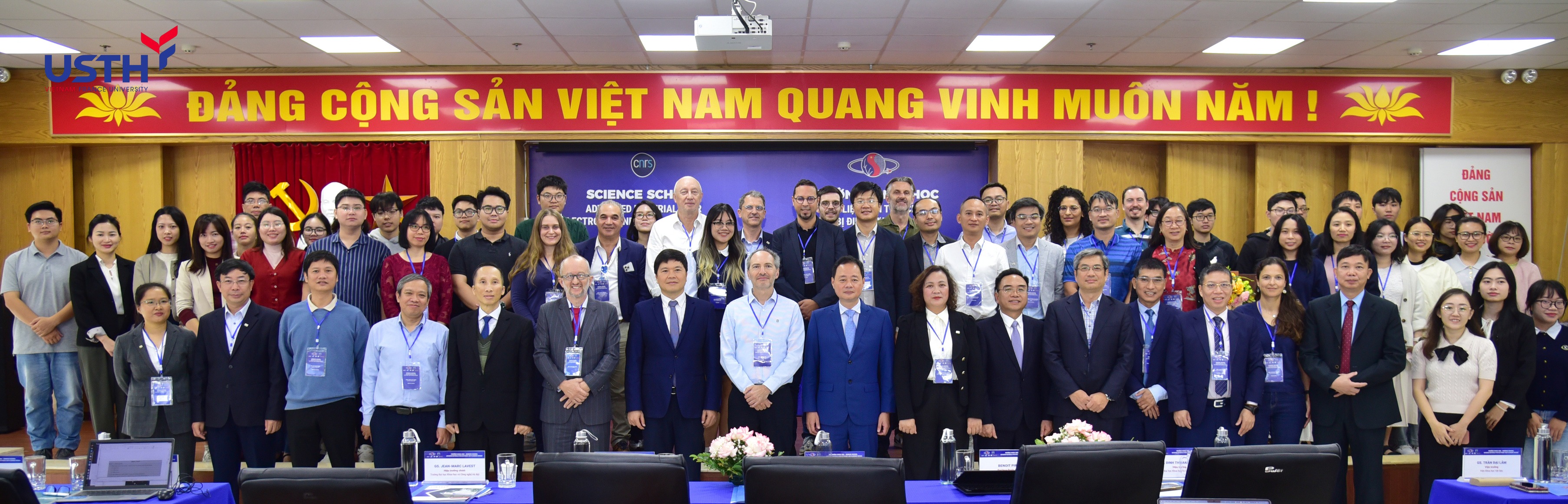
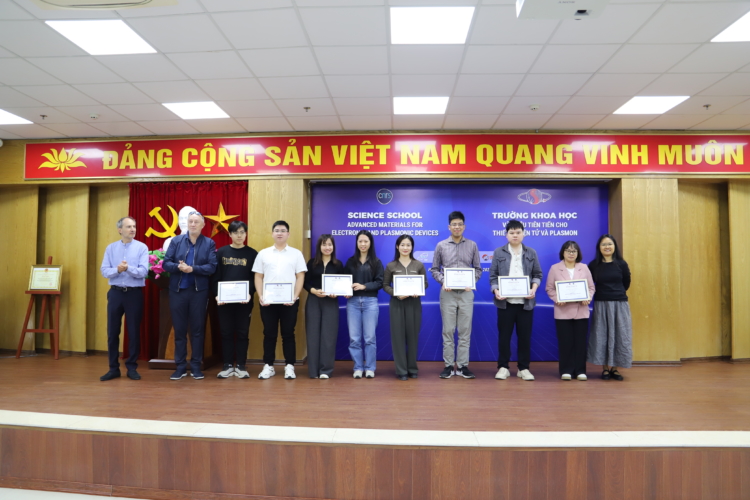
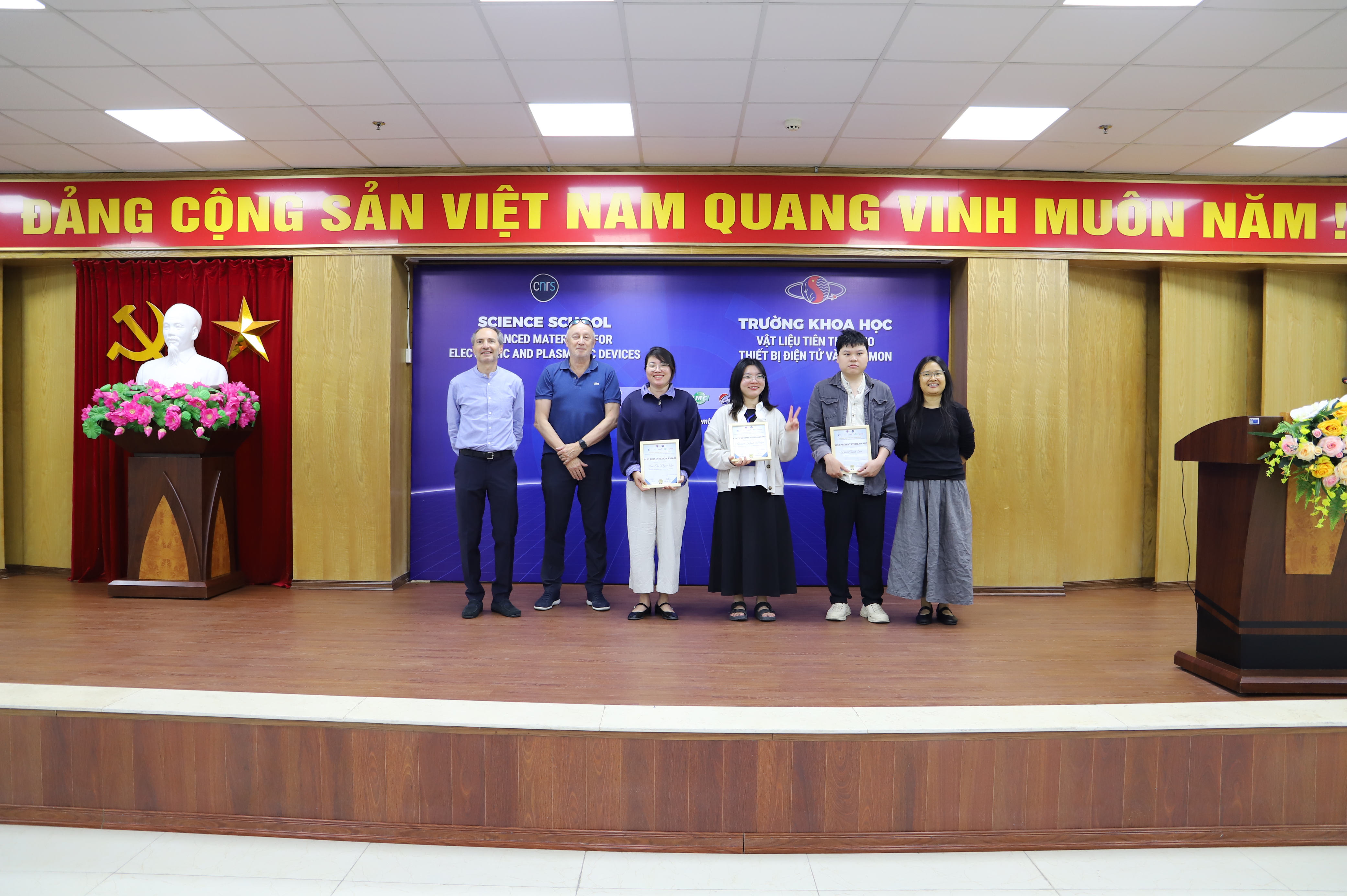
The Organising Committee also selected three outstanding participants for the Best Presentation Award: Bach Thanh Son (Institute of Physics), Dau Thi Ngoc Nga (USTH), and Nguyen Khanh Huyen (Institute of Electronics, Microelectronics, and Nanotechnology, France).
The VAST–CNRS 2025 Scientific School concluded successfully, reaffirming the enduring and productive partnership between the Vietnamese and French scientific communities and contributing meaningfully to the advancement of high-technology development and national scientific capability.
Some highlights of the school: