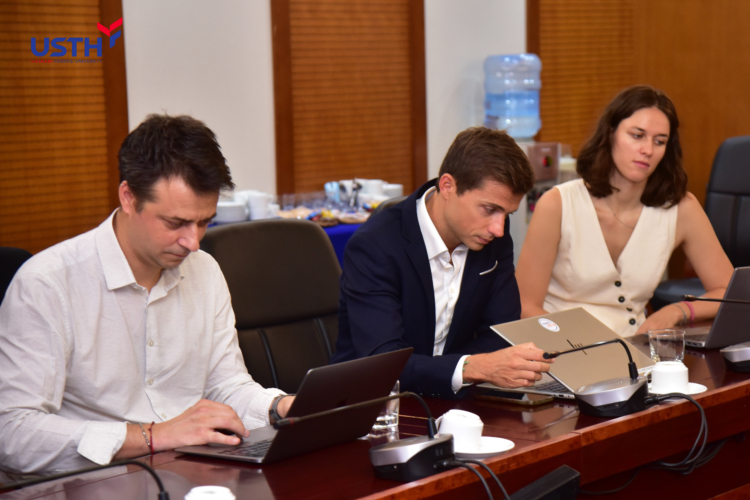
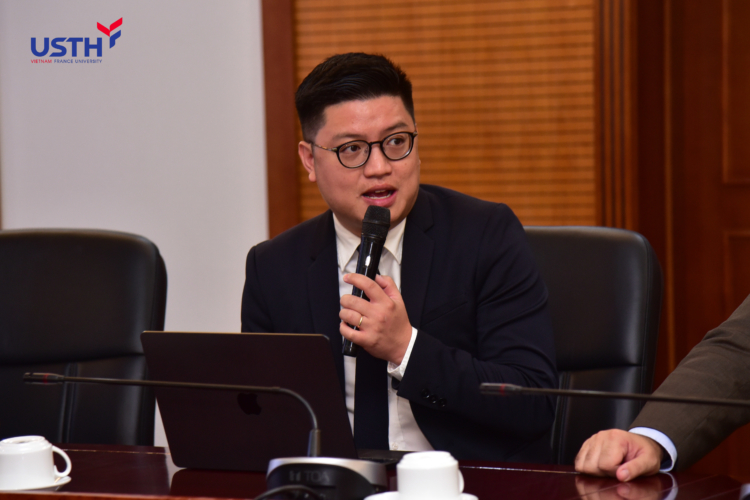
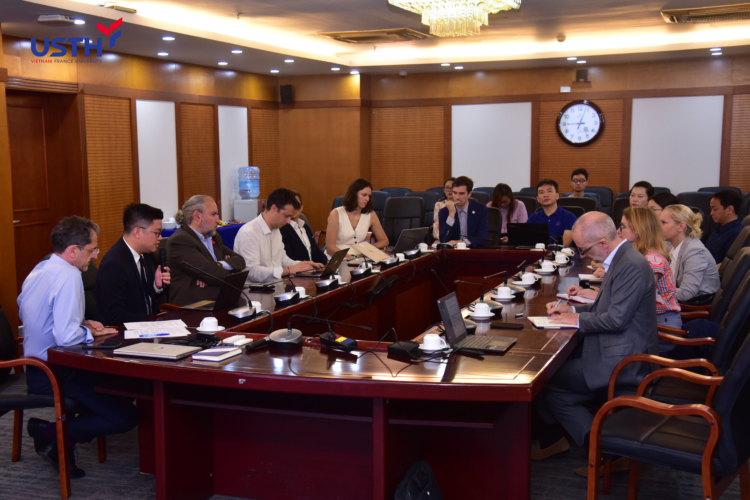
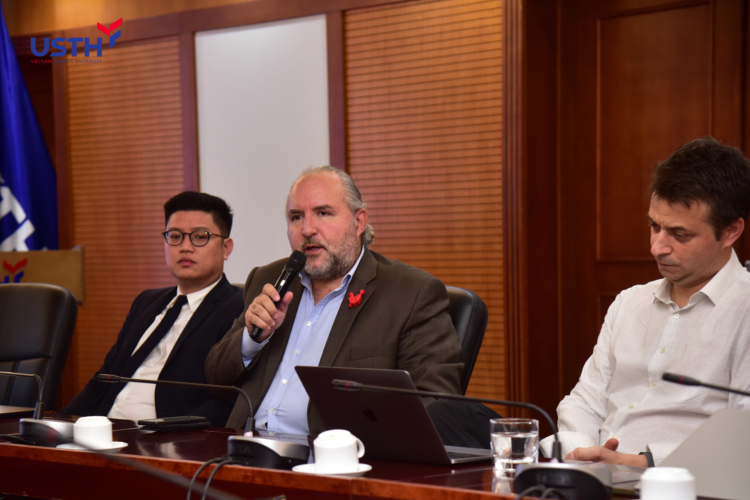
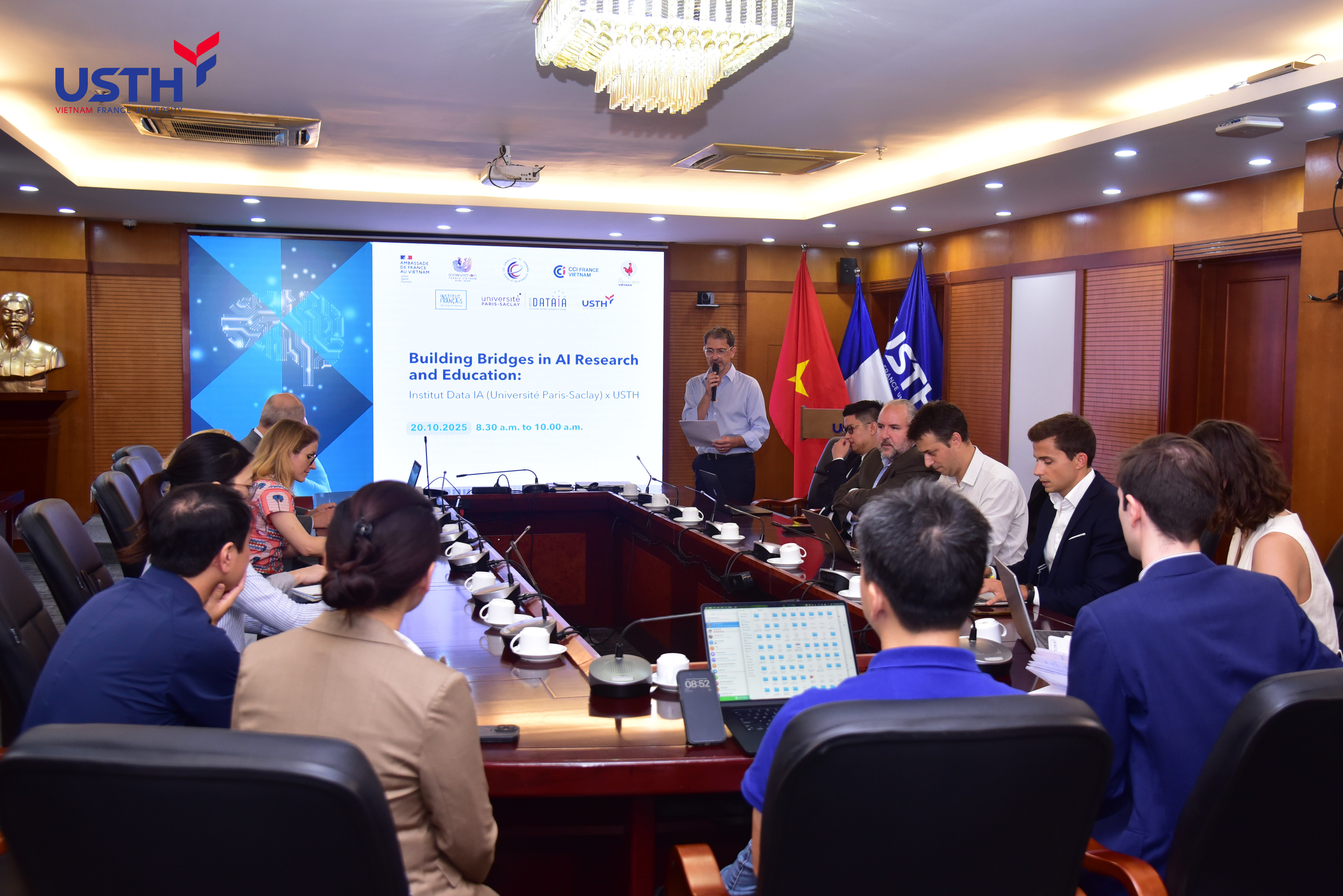
On October 20, 2025, the University of Science and Technology of Hanoi (USTH), in collaboration with the French Chamber of Commerce and Industry in Vietnam (CCI France-Vietnam) and the DATAIA Institute of Paris-Saclay University (France), organized a scientific seminar titled “Building Bridges in AI Research and Education”.
The seminar aimed to enhance academic exchange and expand opportunities for joint research and training between France and Vietnam in Artificial Intelligence (AI)—one of the strategic technology areas prioritized by USTH in alignment with Resolution No. 57 of the Politburo on developing high-quality human resources for the digital era.
With the rapid advancement of AI and Big Data, today’s science and technology fields are increasingly integrating these technologies into education, research, and innovation. At USTH, the Department of Information and Communication Technology (ICT) is among the university’s leading academic departments, focusing on key areas of digital transformation such as Information Technology, Cybersecurity, Data Science, and Applied Mathematics. Other academic fields of USTH, including Earth Sciences, Environmental Science, and Biotechnology, also incorporate machine learning, deep learning, modeling, and big data tools in their teaching and research.
Paris-Saclay University, one of the members of the USTH Consortium, has played an essential role in supporting USTH’s training and research development since the university’s establishment.
The partnership with renowned research institutions and universities in AI, such as Paris-Saclay University and the DATAIA Institute, represents a strategic step forward for USTH in enhancing training quality, expanding research capacity, and promoting international integration in the digital transformation era.
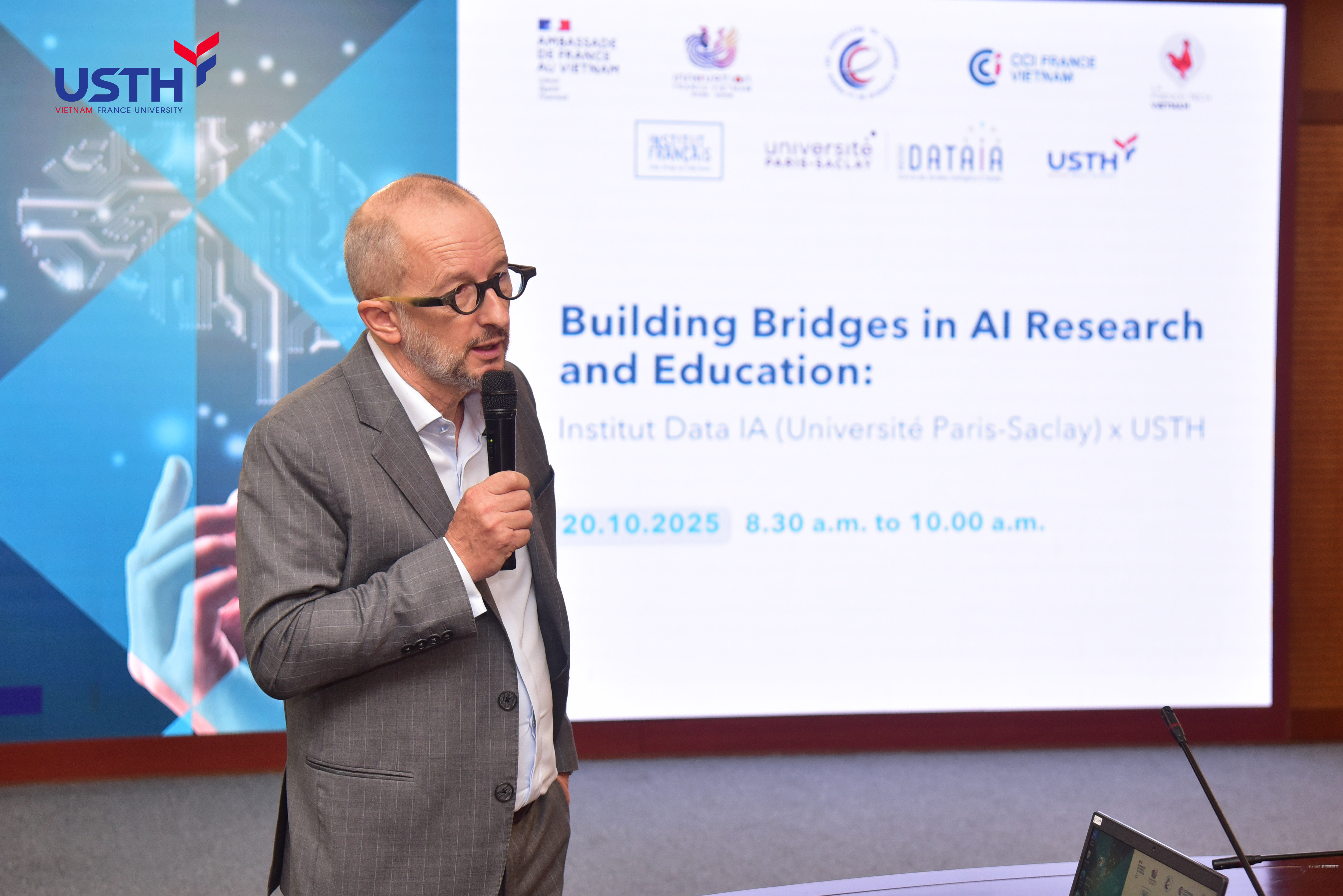
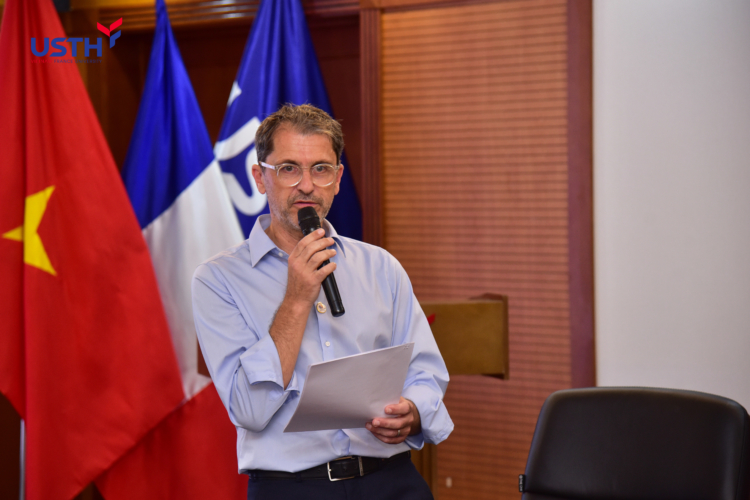
Speaking at the event, Prof. Jean-Marc Lavest, Principal Rector of USTH, emphasized the critical importance of AI in Vietnam’s national science and technology development strategy, as well as USTH’s role in training future experts in Information Technology and AI equipped for global integration.
He noted that partnerships with universities like Paris-Saclay University open new opportunities for USTH students and lecturers to access advanced research environments, foster innovation, and apply AI to serve sustainable development.
During the seminar, Prof. Frédéric Pascal, Vice President in charge of AI at Paris-Saclay University, introduced the mission and activities of the DATAIA Institute — the university’s leading interdisciplinary research center in AI and Data Science.
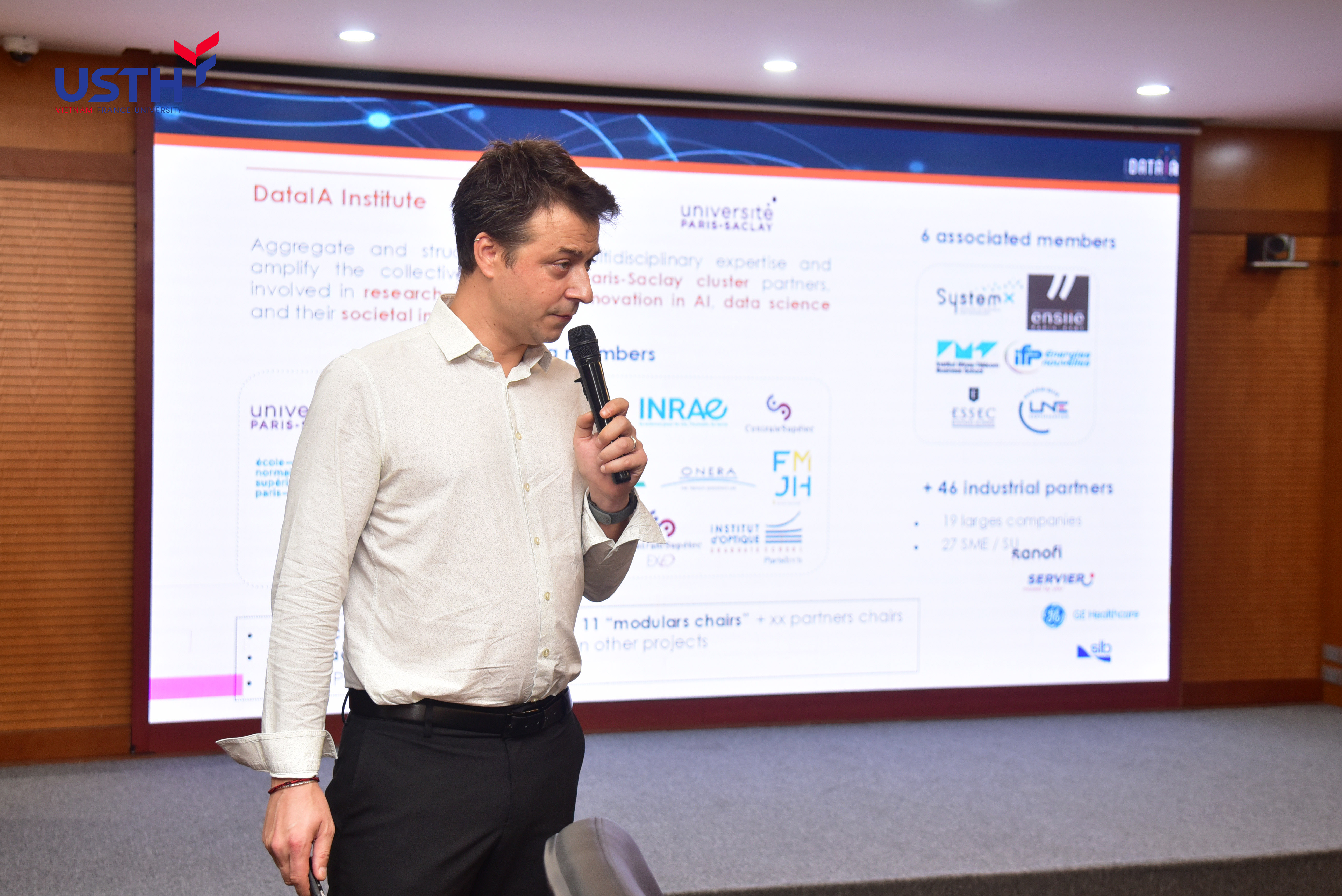
Founded in 2017, the DATAIA Institute serves as an AI central hub within Paris-Saclay University’s research ecosystem, connecting scientists from top universities, research institutes, and technology companies across France. The institute’s mission is to connect AI-related research activities, promote education and specialized training, and strengthen collaboration between academia and industry to create innovative and sustainable AI solutions.
The institute’s key research directions include AI and Mathematics, AI and Physics, AI and Health, as well as emerging themes such as Trustworthy AI, Frugal AI (energy-efficient AI), and AI Ethics.
In 2024, the DATAIA Institute was awarded the “IA-Cluster” label under the French national investment program France 2030, recognizing it as one of France’s leading AI research institutes and a key player in the national strategy for digital and AI technology development.
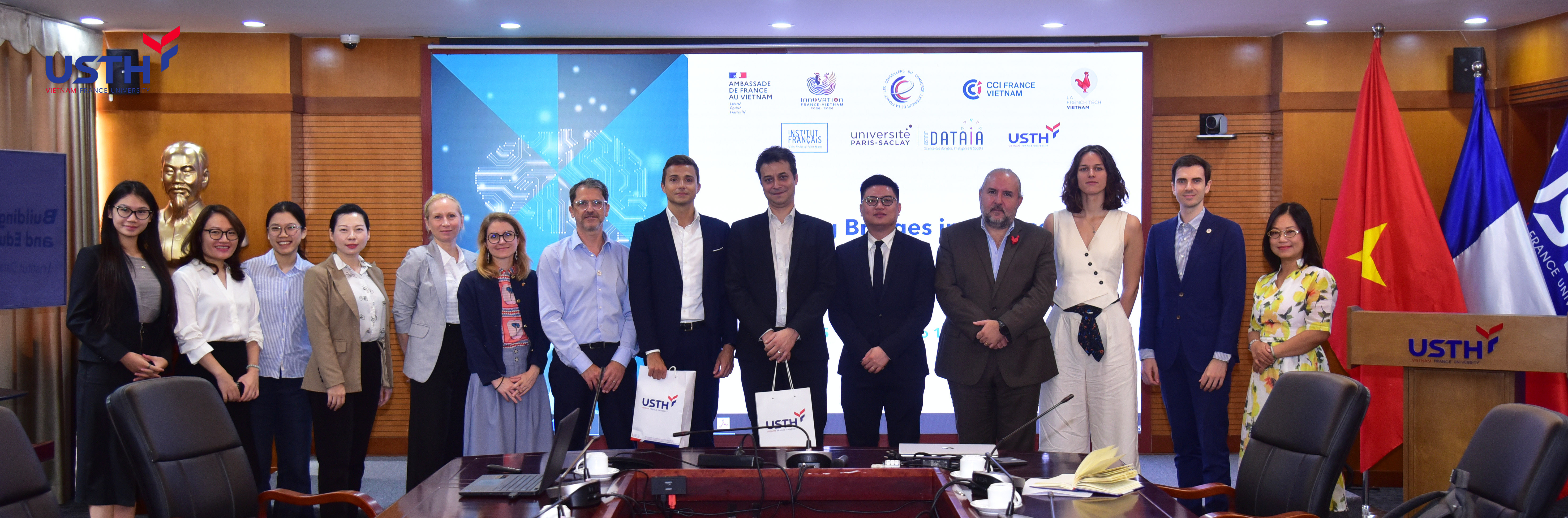
Prof. Frédéric Pascal also highlighted the potentials, limitations, and challenges of generative AI applications, as well as the importance of training professionals capable of developing and overseeing AI technologies responsibly for the benefit of society.
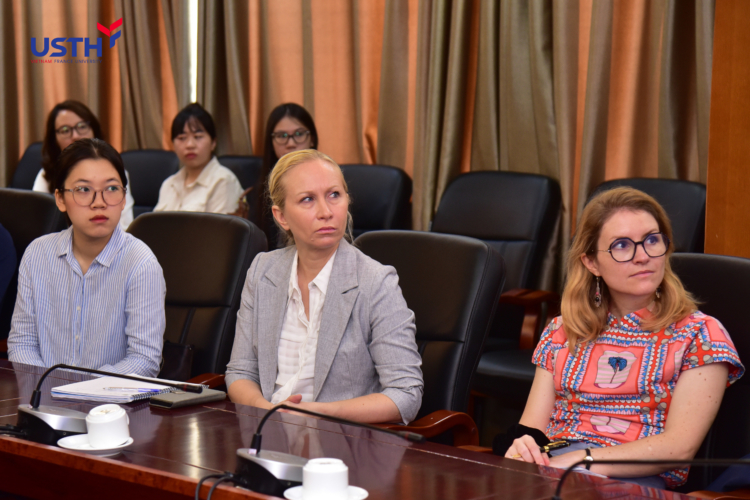
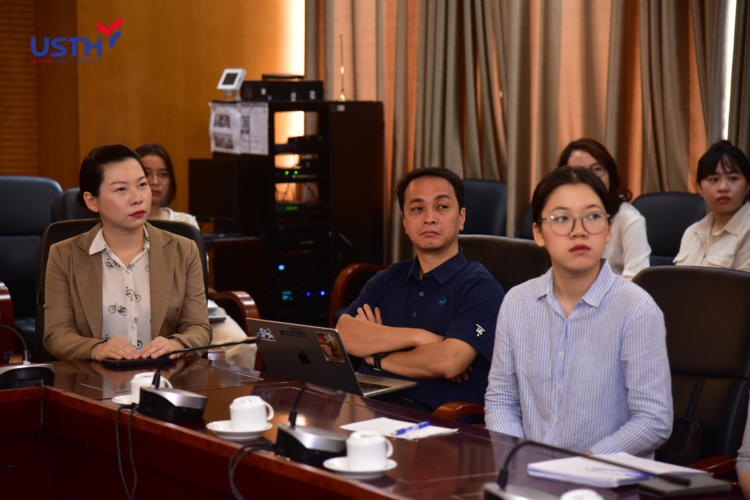
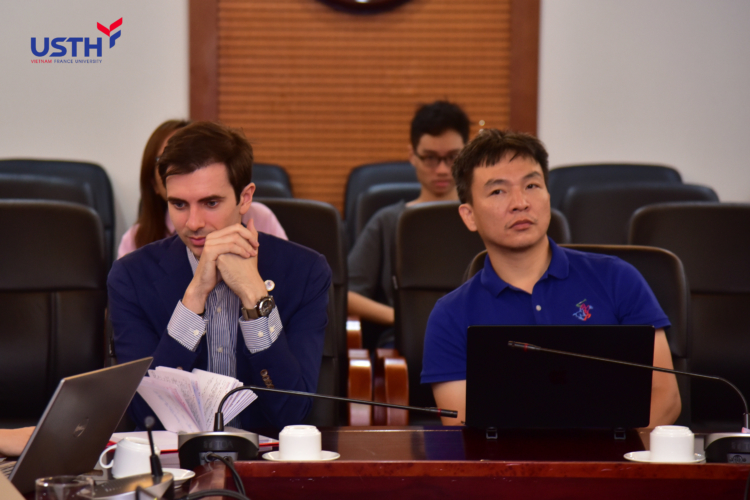
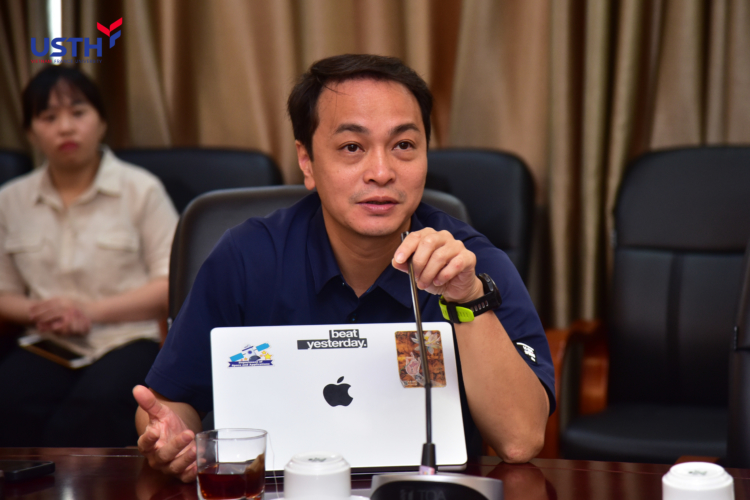
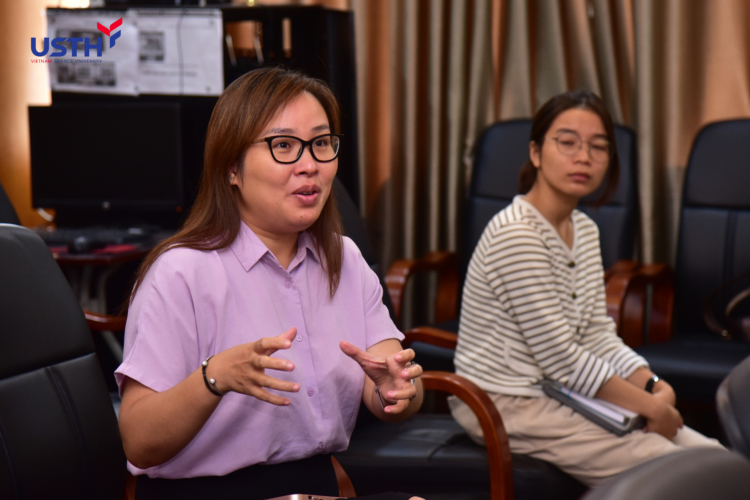
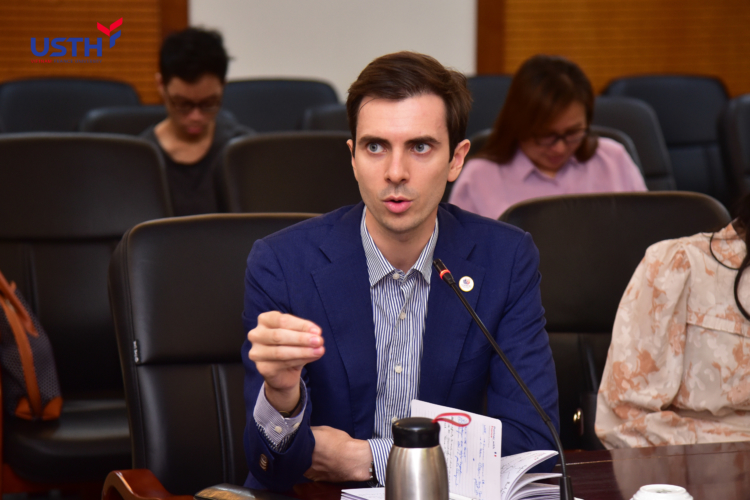
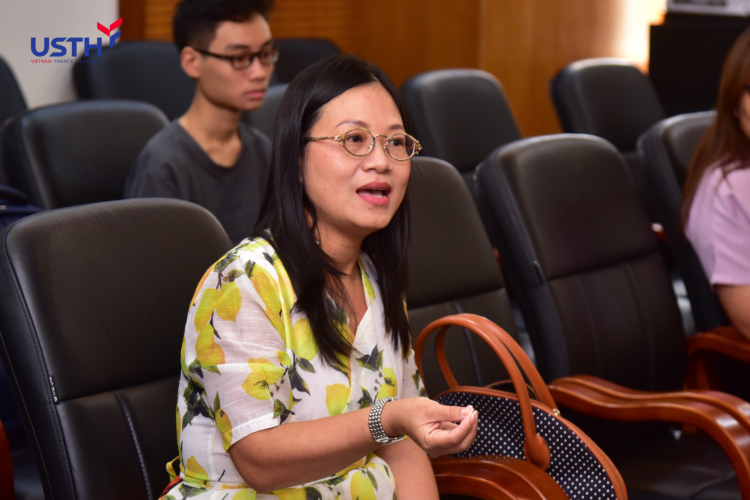
During the open discussion session, the speakers and participants exchanged ideas on developing and implementing AI training programs for students and lecturers, promoting interdisciplinary research in AI and data science, and launching academic exchange programs and joint research projects between the two sides.
Prof. Frédéric Pascal also shared that the DATAIA Institute is expanding its international partnerships in AI training and research, including lecturer and student exchange programs focused on AI.
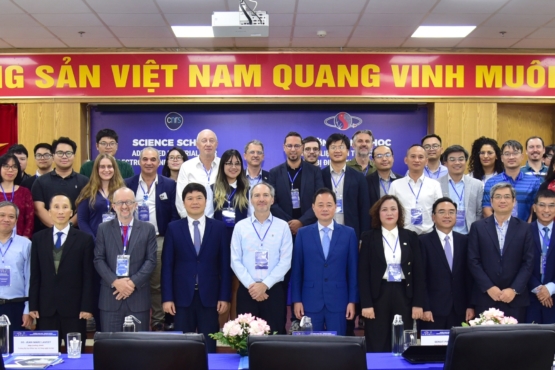
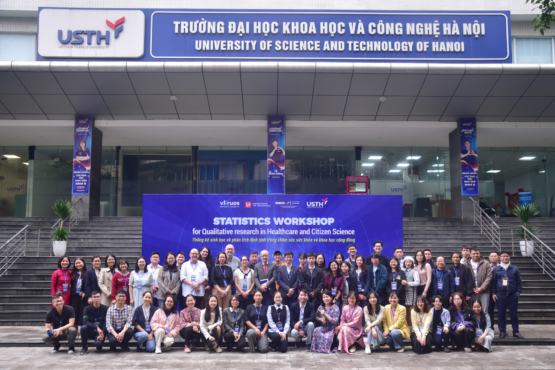
Some moments of the seminar: