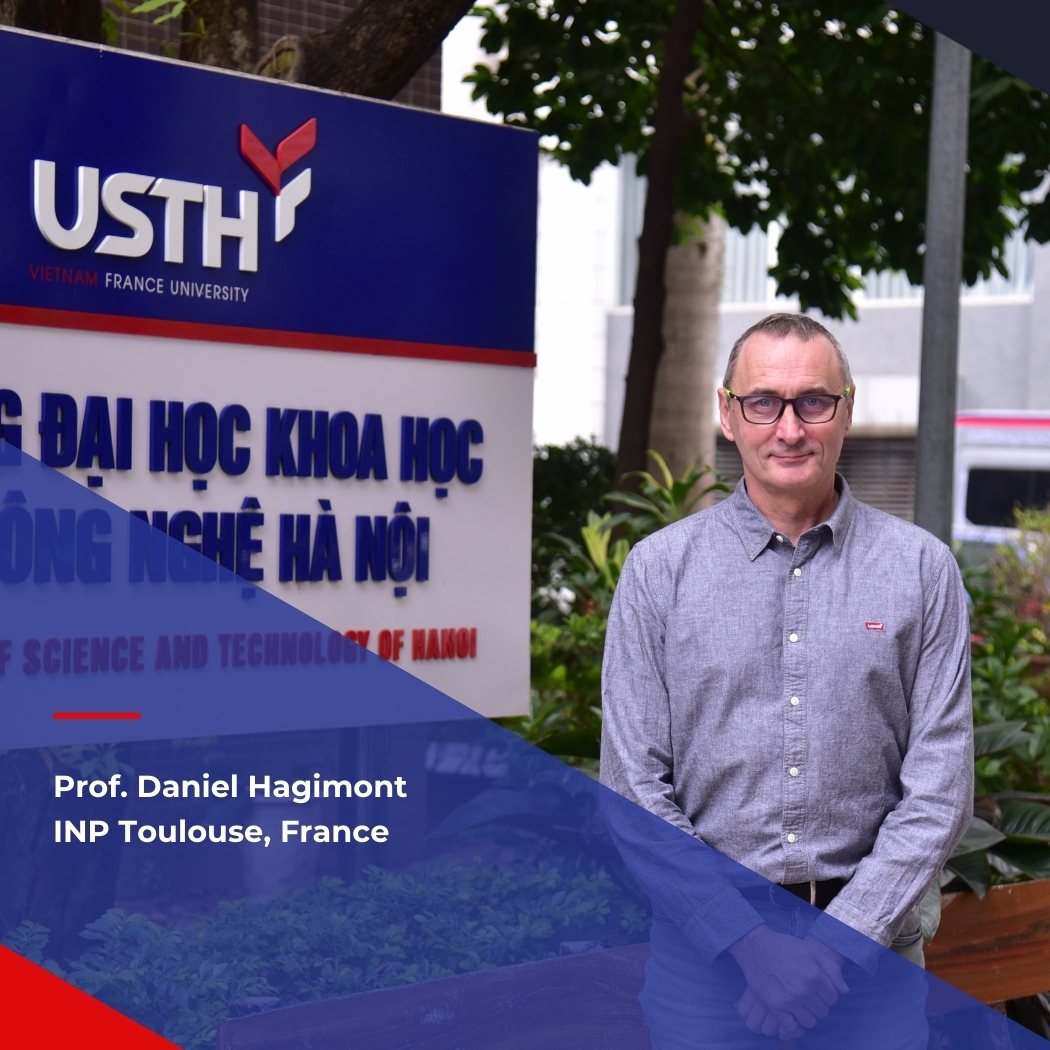
When Professor Daniel Hagimont reflects on his professional journey, publications and professional achievements are not what he highlights first. What matters most to him are people -students he has mentored, colleagues he has worked alongside, and a young university in Vietnam whose academic development he has witnessed from the very beginning.
As a professor of computer science at Toulouse INP, one of France’s leading engineering education systems, Professor Hagimont has maintained a close and enduring connection with the University of Science and Technology of Hanoi since its foundation. His engagement with Vietnam, however, began even earlier. He first arrived in the country in 2000 to teach at IFI, a French–Vietnamese IT program, and has remained continuously involved ever since through teaching, research collaboration, supervision, and academic exchange. For nearly two decades, he has observed Vietnam’s higher education landscape evolve, and he has had the rare opportunity to accompany USTH from its conceptual stage to its emergence as a university increasingly recognized for quality and ambition.
Contributing to the establishment of a new university
Professor Hagimont took part in the creation of USTH around 2009–2010, with a particular focus on developing the Information and Communication Technology (ICT) field. At that time, the University’s structure differed significantly from what it is today. In its early years, USTH did not yet offer bachelor’s programs; the initial academic focus was placed on PhD recruitment, followed by the establishment of master’s programs, and only later by the development of undergraduate education.
During this formative period, Professor Hagimont played a key role in defining the initial curriculum of the ICT master’s program. Working closely with both French and Vietnamese partners, he contributed to laying the academic foundations.
In recent years, USTH has made a deliberate and sustained effort to strengthen its bachelor’s programs, particularly in science and technology disciplines. From Professor Hagimont’s perspective, this strategic shift has had a decisive impact on the University’s overall academic quality.
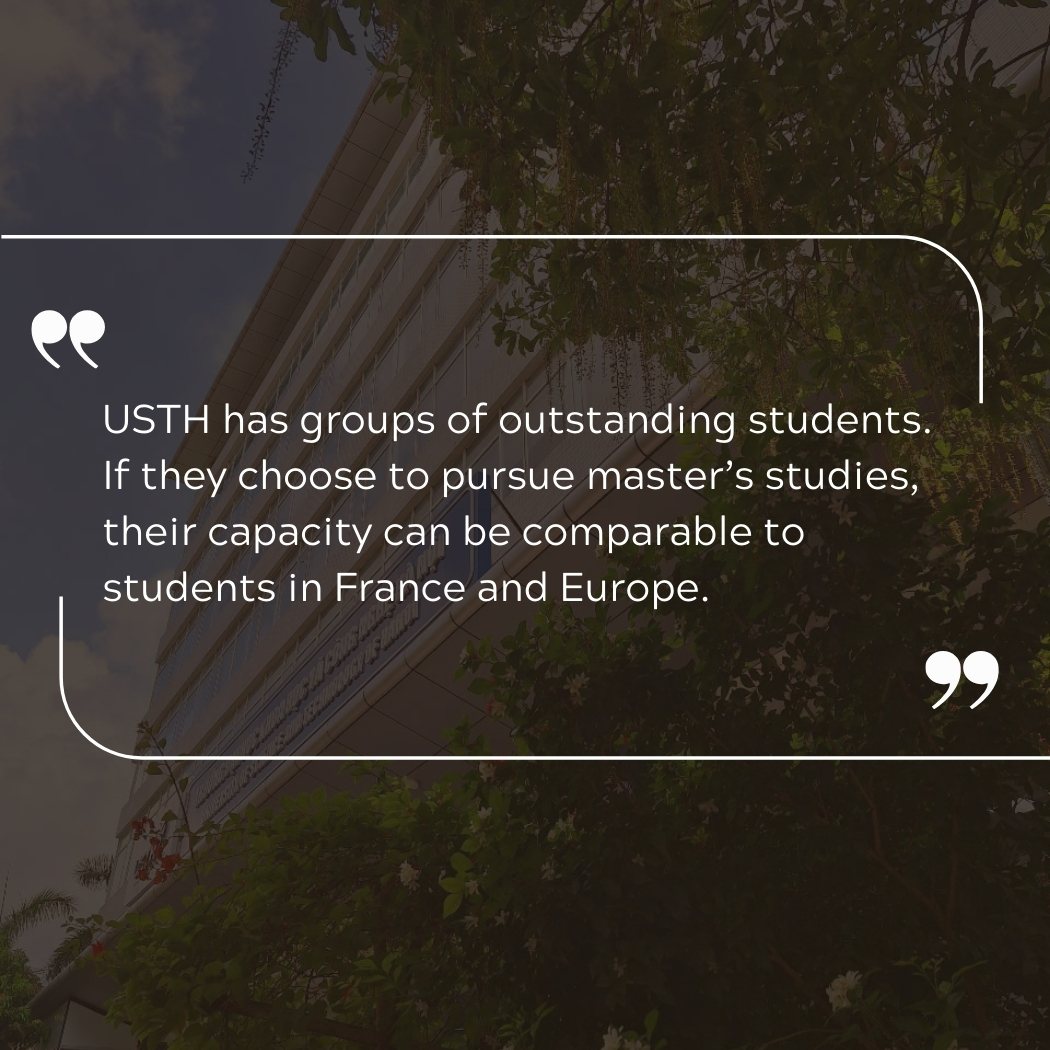
Today, the results of this investment are clearly visible. The ICT master’s program now enrolls approximately 30 students per year, the majority of whom are graduates of USTH’s own bachelor’s programs. This transformation reflects not only improved academic training but also broader changes in Vietnam’s labor market, where a master’s degree has become increasingly important for accessing high-quality professional opportunities.
Professor Hagimont estimates that around 20 percent of bachelor students demonstrate very strong academic potential. If these students progress to the master’s level, their performance is comparable to that of students in well-established European institutions.
Students as the measure of success
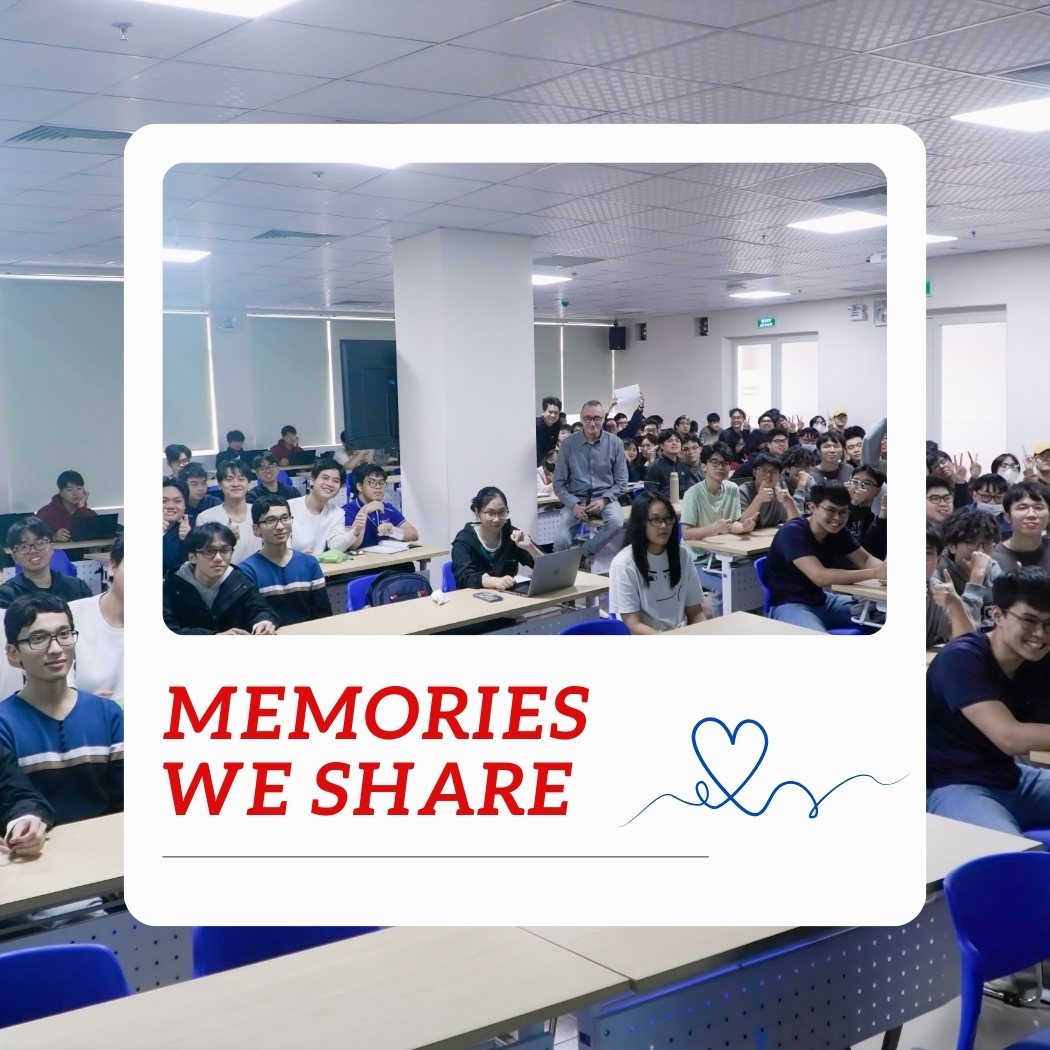
At USTH, Professor Hagimont teaches courses in Operating Systems, Systems and Architecture, Cloud Computing, and Big Data at the Department of Information and Communication Technology. For Professor Hagimont, the most meaningful measure of academic success lies in the success of students themselves. He speaks with pride of former USTH students who have gone on to build successful academic and professional careers. One of his former PhD students, Tran Giang Son, is now the Director of the Department of Information and Communication Technology at USTH. Others pursue further studies in France or work in high-tech companies. Some have decided to come back to Vietnam to contribute to their home country.
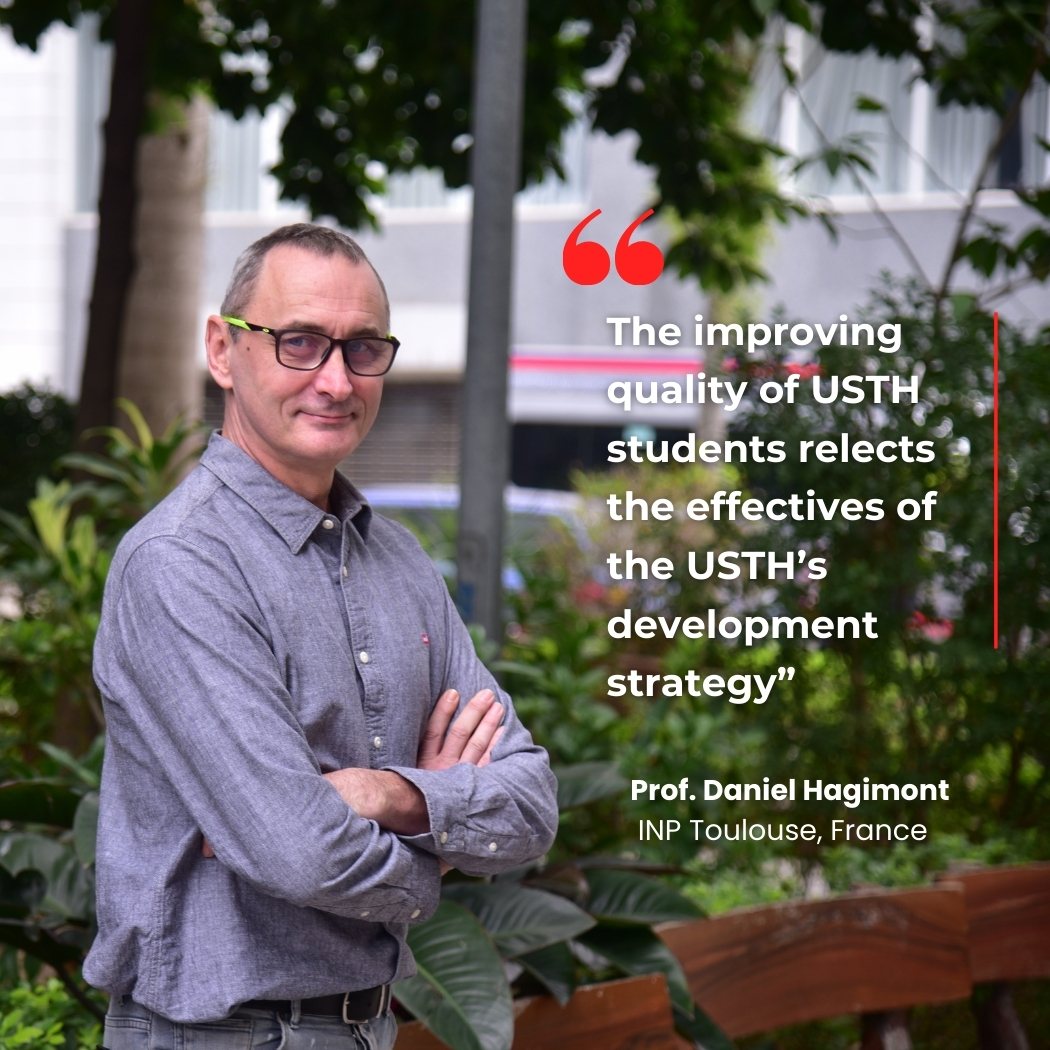
What distinguishes today’s USTH students, in Professor Hagimont’s view, is not only their competence but also their mindset. He observes an increase in autonomy: students are able to explore problems independently, propose solutions, and engage in meaningful academic dialogue without waiting for detailed instructions. This capacity for initiative, he believes, is essential for those who work in the field of science and technology, where success depends on the ability to go beyond what is required.
With a deep understanding of the academic and research pathways in science and technology, Professor Daniel Hagimon has long been attentive to the importance of international exposure. He believes that true academic growth requires students to step beyond familiar environments—to test themselves in global settings, engage with contemporary research methods, and collaborate within diverse research teams.
Therefore, he actively seeks funding opportunities that allow students, including those from USTH, to pursue exchanges and internships in France. Through his teaching at USTH, he has become a bridge between students and research opportunities in his laboratory at Toulouse INP. In recent years, the number of USTH students undertaking internships under his supervision has increased significantly. Several students have completed scientific papers and published them in international journals—an achievement that even students from highly ranked universities often find difficult to attain.
Long-lasting connection with Vietnam
Beyond his academic commitments, Professor Hagimont has developed a strong and lasting personal connection to Vietnam. He visits the country two to four times each year, often teaching several courses during a single stay. His travels take him across different regions—sometimes even by motorbike.
What he values most, however, is the human scale of daily interactions: the ease of communication, the accessibility of services, and the openness of people. This personal affinity naturally reinforces his professional commitment. As the quality of students at USTH continues to rise, collaboration with the University becomes ever more meaningful to him—both intellectually and personally.
The development of USTH and of the Information and Communication Technology program in particular has been shaped by the steady and dedicated contributions of French professors such as Professor Daniel Hagimont. Through his long-term commitment to teaching, curriculum development, research collaboration, and the creation of international academic opportunities for students, he has helped build and sustain a bridge of knowledge between Vietnam and France. His journey with USTH stands as a testament to how enduring academic partnerships, grounded in trust and shared values, can contribute meaningfully to the growth of a young university and to the education of future generations.