Laboratories on the 2nd floor and in Building A11
The infrastructure and laboratory facilities meet the requirements for advanced, high-quality training and research in accordance with international standards, including:
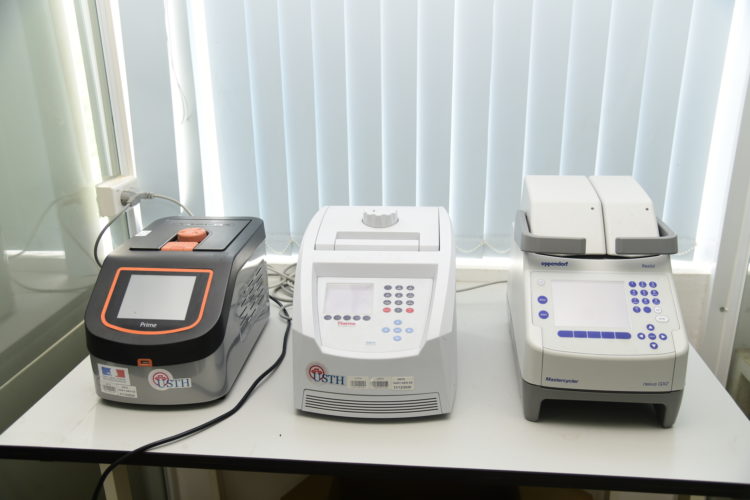
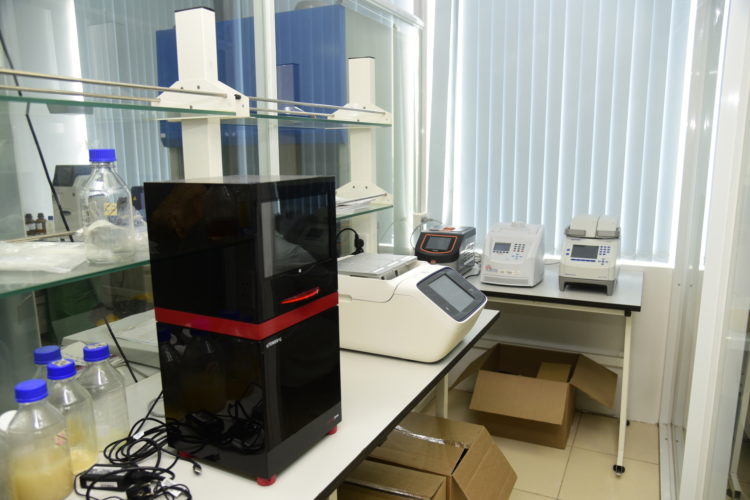
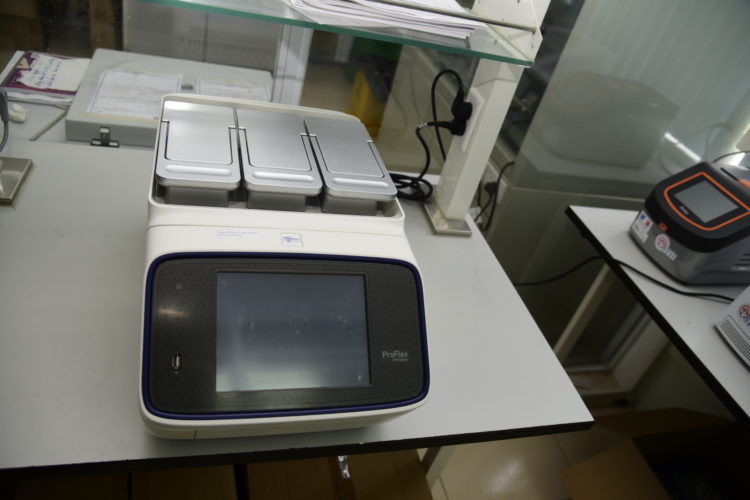
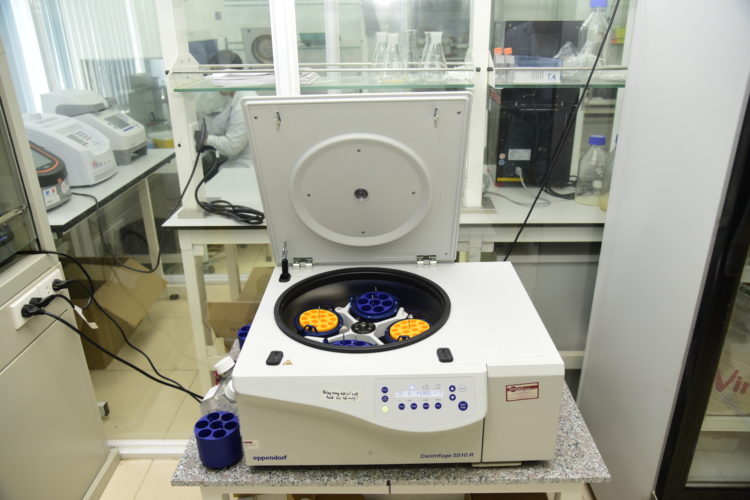
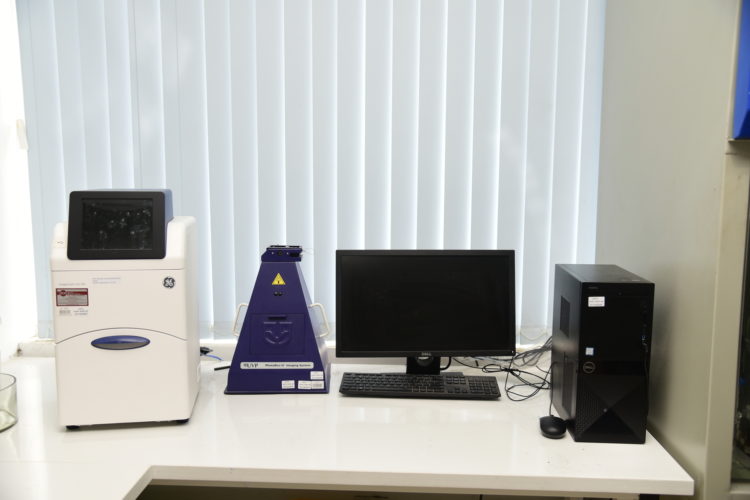
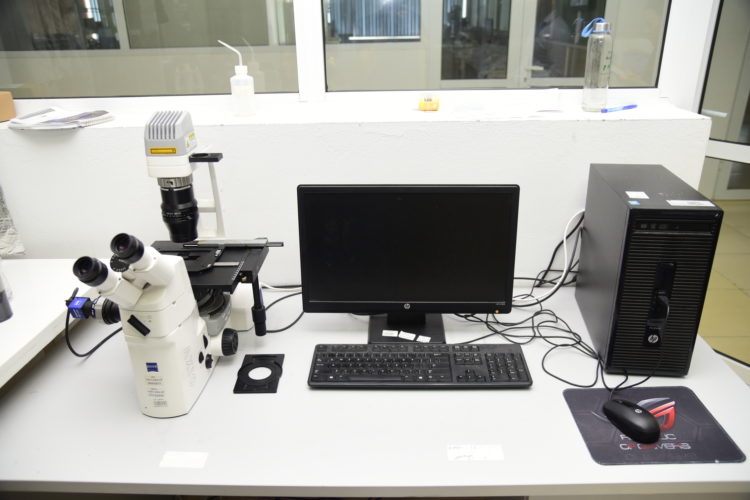
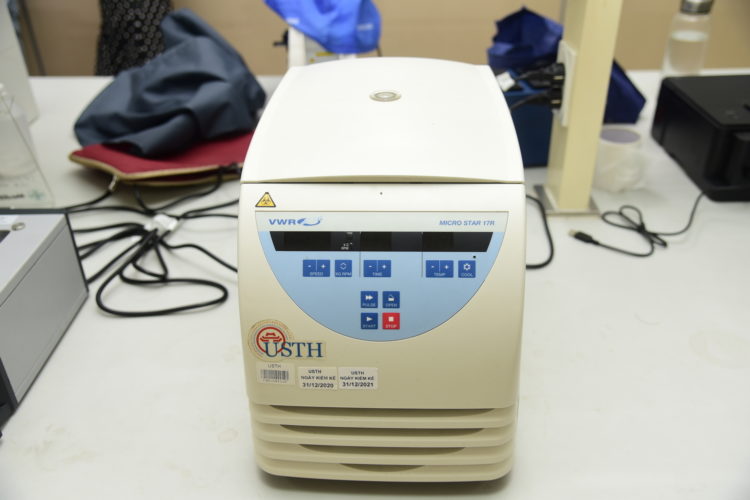
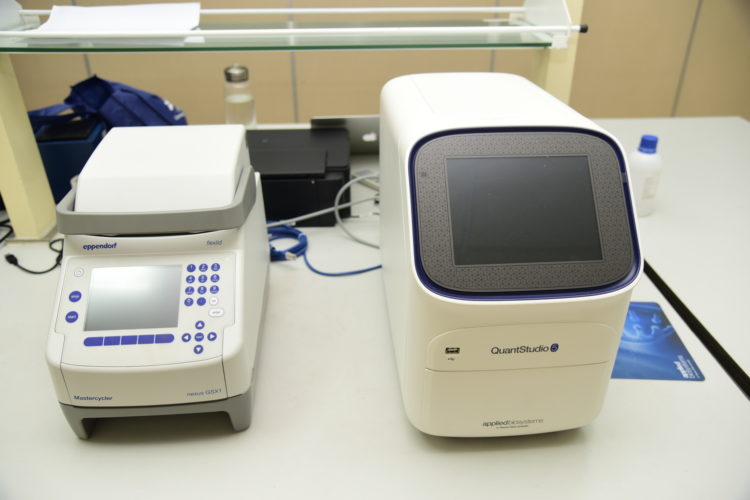
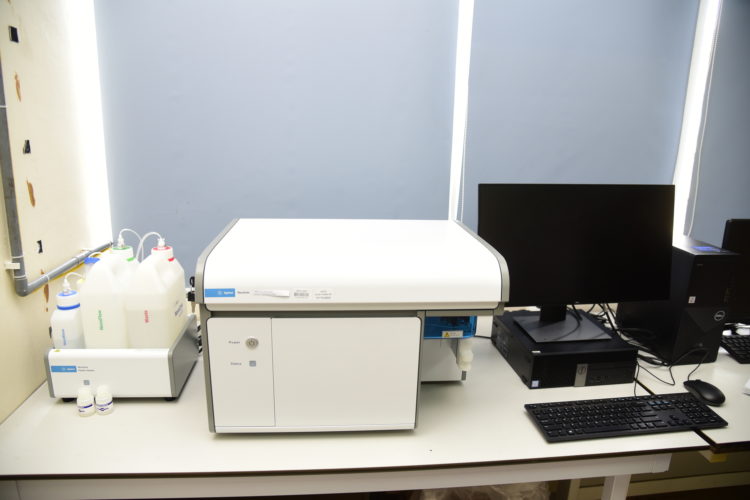
Molecular biology, protein, and cell laboratory complex: PCR systems, real-time PCR systems, flow cytometry, cell sorting systems, protein analysis and purification systems, upright and inverted fluorescence microscopes, centrifugation systems, DNA/RNA and protein quantification systems, along with many other modern systems and advanced equipment.
Animal cell culture laboratory: biological safety cabinets, CO₂ incubators, inverted optical and fluorescence microscopes.
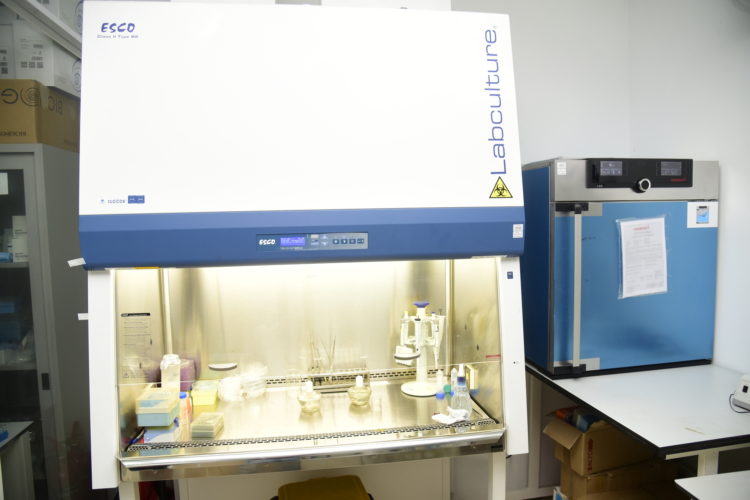
Biosafety Level 2 laboratory: Class II biological safety cabinets, microbiological incubators, and multifunctional microplate readers.
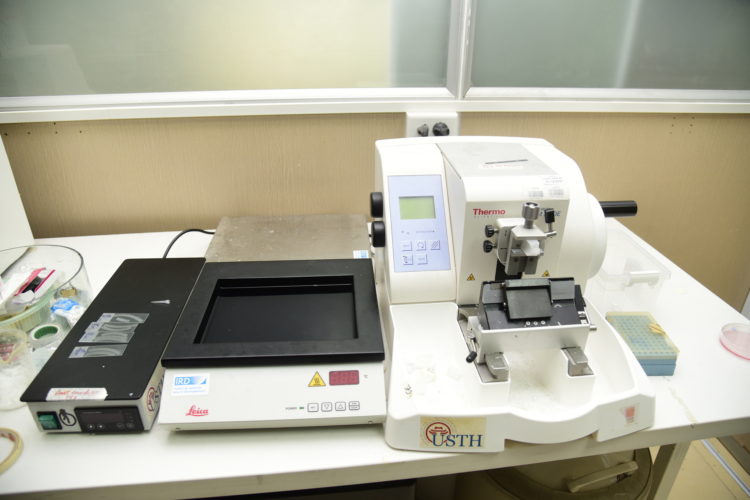
Biochemistry and histology–embryology laboratory: tissue sectioning systems, stereoscopic fluorescence microscopes, and imaging systems.
Plant biotechnology laboratory: climate-controlled growth chambers, biological safety cabinets for tissue culture and genetic transformation, electroporation equipment, and a mini greenhouse system.
Experimental animal facility: mouse housing systems, clinical physiological–biochemical analysis systems, and drug testing systems.
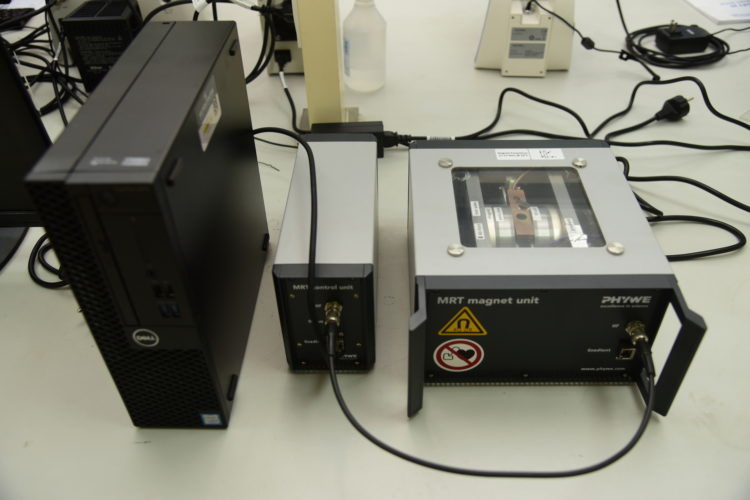
Biomedical electronics teaching and research laboratory: Biopac biomedical signal research systems; equipment for recording electrodermal activity, electroencephalography (EEG), and electrocardiography (ECG); therapeutic ultrasound devices; and training systems with imaging models for X-ray, CT scanning, and MRI.
Laboratories on the 4th and 5th floors
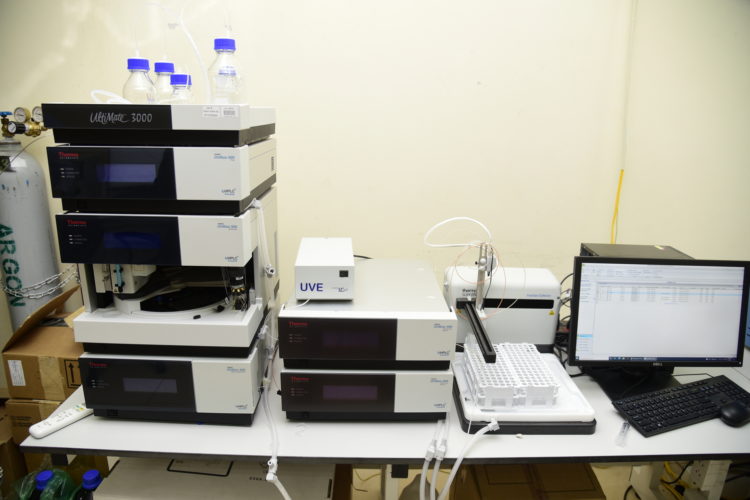
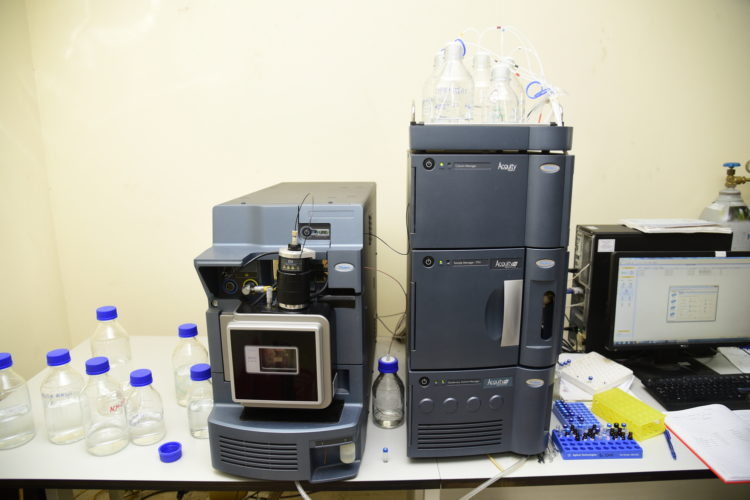
The laboratories dedicated to pharmaceutical research and drug development are equipped with state-of-the-art instruments serving the extraction, isolation, synthesis, semi-synthesis, qualitative identification, and quantitative analysis of small-molecule compounds. These include chemical reaction systems, ultrasonic processors, Soxhlet extraction units, essential oil distillation units, rotary vacuum evaporators, thin-layer chromatography (TLC) systems, column chromatography systems, liquid chromatography coupled with DAD/FLD detectors, mass spectrometry systems, and gas chromatography–mass spectrometry (GC–MS) systems.
The facilities are also equipped with instruments for drug screening, such as multifunctional microplate readers, in vitro and in vivo biological assay systems. In addition, equipment supporting pharmaceutical formulation development is available, including tablet presses, capsule filling machines, as well as instruments for pharmaceutical quality control and testing.
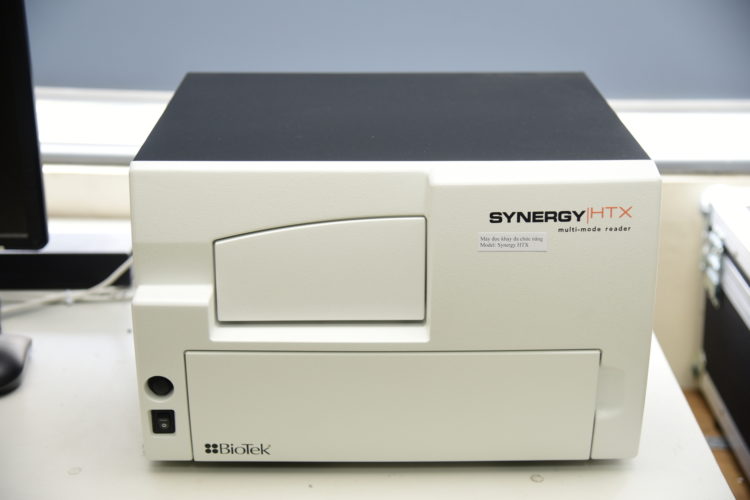
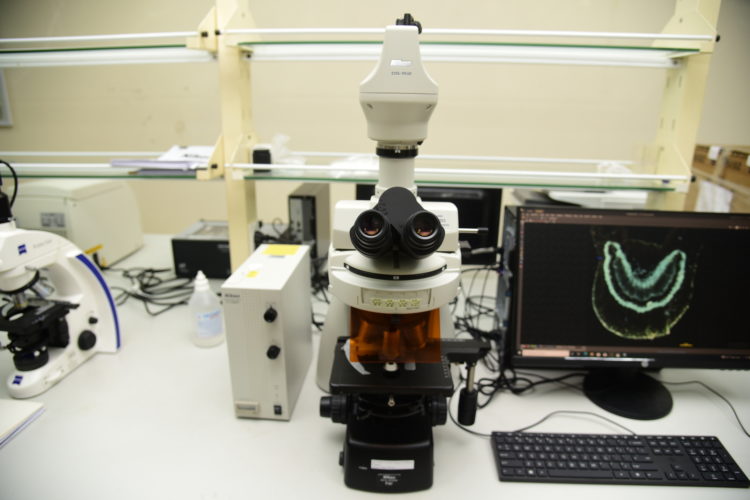
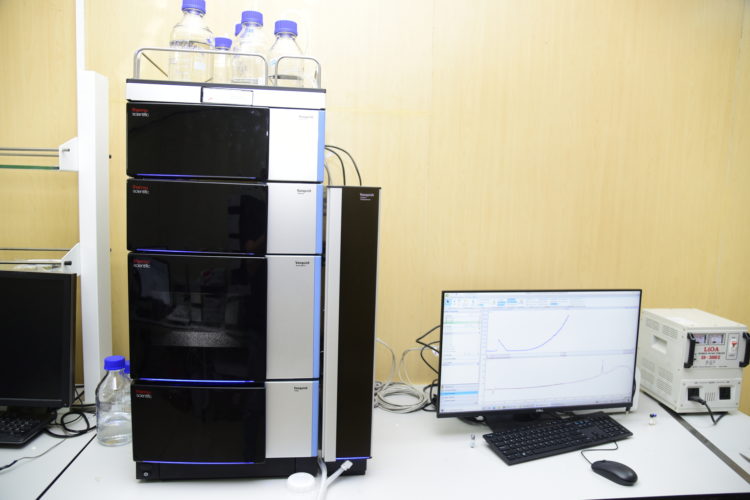
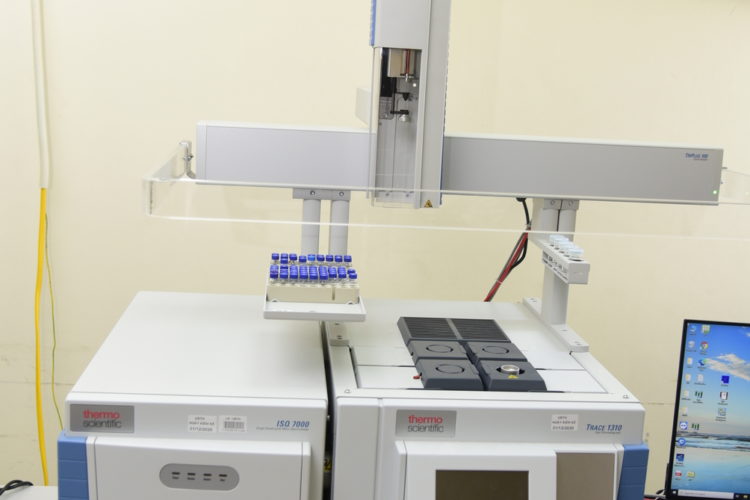
Laboratory in Building A11
The Food Science and Technology Laboratory is equipped with advanced, versatile instruments meeting international standards to support teaching and research in the field of food technology, including:
Basic practical equipment cluster: analytical balances, precision balances, large-capacity balances, temperature-controlled incubators, drying ovens, refrigerators, freezers, benchtop pH meters, vortex mixers, fume hoods, autoclaves, laboratory glassware washers, ultrasonic sample disruptors, Kjeldahl nitrogen distillation units, Soxhlet extraction units, and essential oil distillation systems.
Equipment cluster for Fermentation Technology courses: fermentation systems with capacities ranging from 10 to 50 liters, together with auxiliary equipment such as alcohol distillation units, Anton Paar Abbemat 3200 digital refractometers, microscopes, and two-directional shaking incubators.
Equipment cluster for Food Processing Technology courses: multipurpose blenders, coffee grinders, coffee roasters, baking ovens, overhead stirrers, hotplate magnetic stirrers, temperature-controlled cabinets, fruit and vegetable dryers, vacuum packaging machines, and noodle extrusion machines.
Product recovery and analytical technology equipment cluster: including large-capacity refrigerated centrifugation systems, vacuum filtration systems, HPLC systems equipped with DAD and FLD detectors, GC–MS systems, Biochrome 32 amino acid analyzers, water activity meters, colorimeters, and food texture analyzers.